






























Bondi Tragedy: Australia PM Orders Royal Commission
Australia launches a royal commission after the Bondi shooting killed 15. The probe will examine antisemitism, gun laws, and security failures nationwide.

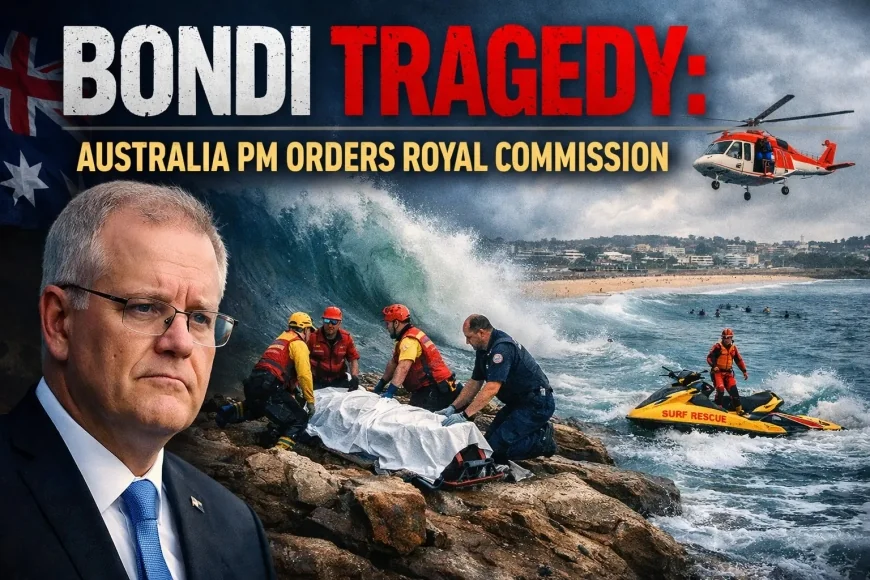
Australian Prime Minister Anthony Albanese has announced a Royal Commission into last month's shooting at Bondi Beach, the most powerful form of independent inquiry in the country.
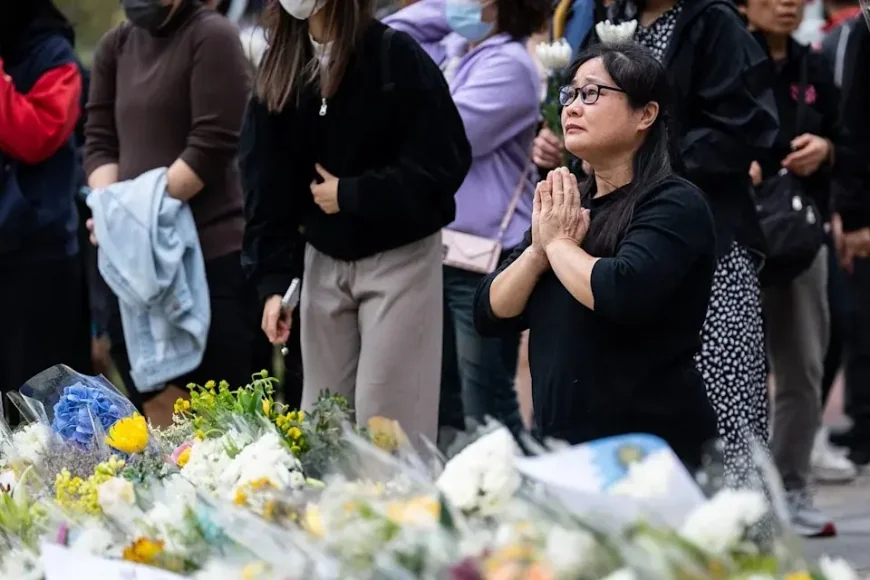
The attack, which targeted a Jewish festival, killed 15 people, making it one of the deadliest incidents in the country's history.
Albanese had previously argued that strengthening gun laws and hate speech regulations, taking steps to combat antisemitism, and reviewing intelligence and law enforcement agencies would be the quickest response.
But after weeks of public pressure, he said on Thursday that, following meetings with the Jewish community and "taking time to reflect," a Royal Commission was the best way forward.
"I've said repeatedly that my government's priority is to promote unity and social cohesion, and that's what Australia needs to heal, to learn, and to come together in a spirit of national unity," he told reporters in Canberra. "It's clear to me that a Royal Commission is necessary to achieve this."
Since the December 14 attack, victims' families, along with numerous prominent figures including lawyers, business leaders, and athletes, had waged an almost daily campaign urging him to change his mind and launch a Royal Commission.
A Royal Commission has broad investigative powers, including the ability to summon witnesses and compel agencies to produce documents. It can also grant legal protection to whistleblowers.
Albanese said the commission would investigate four main areas.These include:
- Investigating the "nature and extent of antisemitism" in Australia and its "root causes"
- Making recommendations to enforcement, border immigration, and security agencies to combat antisemitism
- Investigating the circumstances surrounding the Bondi attack
- Making any other recommendations to strengthen social cohesion and combat the spread of ideologically and religiously motivated extremism
The Prime Minister said the work of former spy chief Dennis Richardson, who is leading a review of intelligence and law enforcement agencies, would be incorporated into the Royal Commission, whose interim report is expected in April.
Albanese said former High Court Justice Virginia Bell had been appointed to lead the commission, and he had asked her to deliver a report by December 2026, adding, "This won't be a drawn-out process." Previous Royal Commissions have taken years.
Software Services
 |
Start your own gaming platform for just $3,000 |
Albanese said, "This Royal Commission has the right format, the right timeframe, and the right terms of reference to deliver the right outcomes for our national unity and our national security." Bell's appointment had previously drawn criticism from the Jewish community amid rumors of her selection.
Former Treasurer Josh Frydenberg said before Albanese's announcement that Jewish leaders had told the Prime Minister there were "serious concerns" about her appointment, although he did not specify what those concerns were.
Speaking alongside Albanese, Attorney-General Mark Dreyfus said Bell was "a distinguished and very capable former judge of the High Court of Australia, and I have no doubt that she will examine the complex issues before her with fairness and accuracy."
Addressing concerns that a Royal Commission could interfere with criminal legal proceedings against the alleged gunman who survived the attack, Albanese said: "That's one of the reasons why we've chosen someone who has a background in criminal law, who has served at senior levels on the Supreme Court and the High Court of Australia. That is, she is the most qualified person we could have considered."
He also said the inquiry was not intended to "provide any solutions on Gaza or the Middle East." Albanese said, "The truth is that some people have held Jewish Australians responsible for ideas or actions that they oppose, that they have nothing to do with."
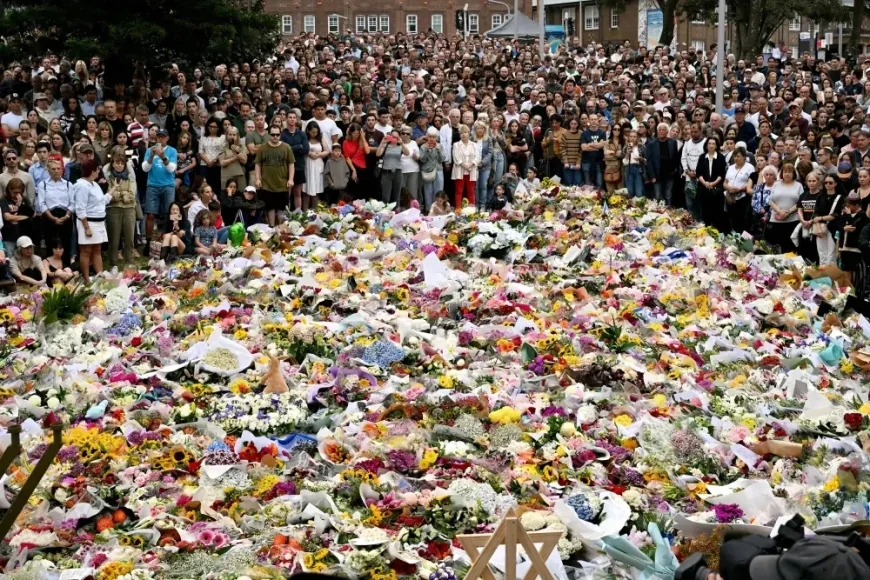
In the days following the attack, state and federal leaders agreed to tighten gun control, including limits on the number and types of weapons an individual can own, as well as a buyback scheme.
Albanese also promised reforms to hate speech laws, including penalties for preachers and leaders who incite violence and a new federal offense of "serious hate speech."
He had previously said his government would adopt the suggestions made by Antisemitism Commissioner Jillian Segal in a report released in July.
That report was criticized by some upon its release because of its potential impact on freedom of expression, such as plans to monitor universities and arts organizations and withhold funding if they were found to be failing to act against antisemitism.
Speaking alongside the Prime Minister on Thursday, Segal said the government's decision was "right and important."
"It reflects the seriousness of the increase in antisemitism and its impact on our country and our democracy," she said.
Thank you for reading this content.
Thank you for reading this content.
What's Your Reaction?
 Like
0
Like
0
 Dislike
0
Dislike
0
 Love
0
Love
0
 Funny
0
Funny
0
 Angry
0
Angry
0
 Sad
0
Sad
0
 Wow
0
Wow
0