


























9 Reasons Kia’s PV5 Is the EV Van That Changes Everything
The Kia PV5 redefines electric vans with modular design, massive space, and sharp efficiency—challenging the ID. Buzz at a shockingly low price.

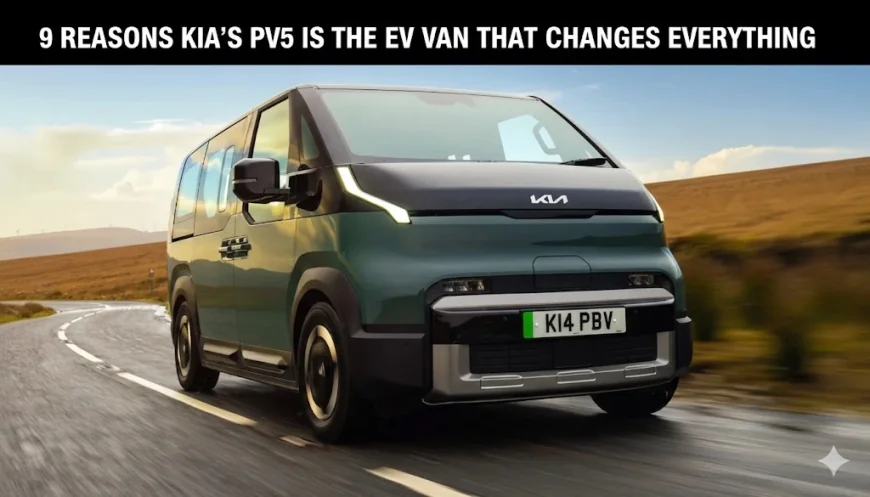
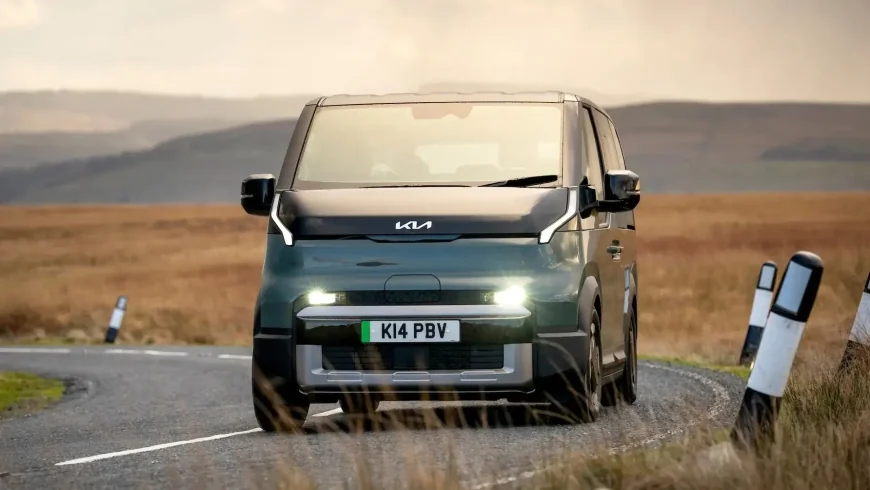
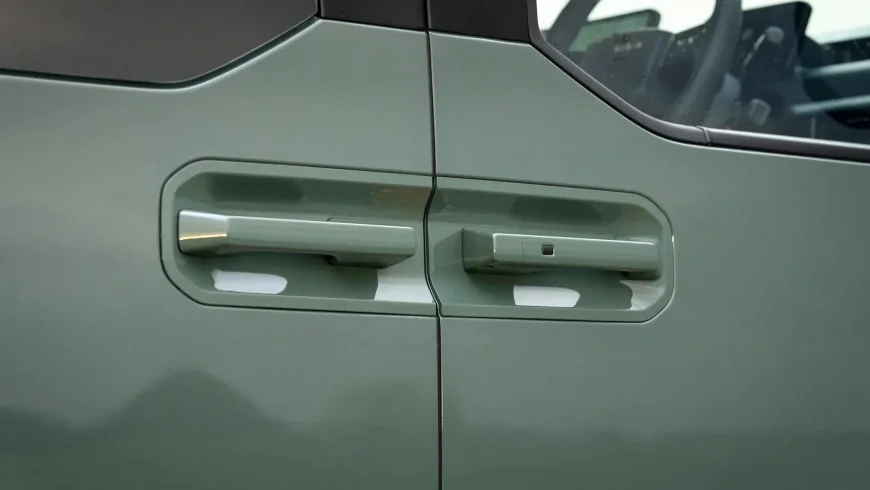
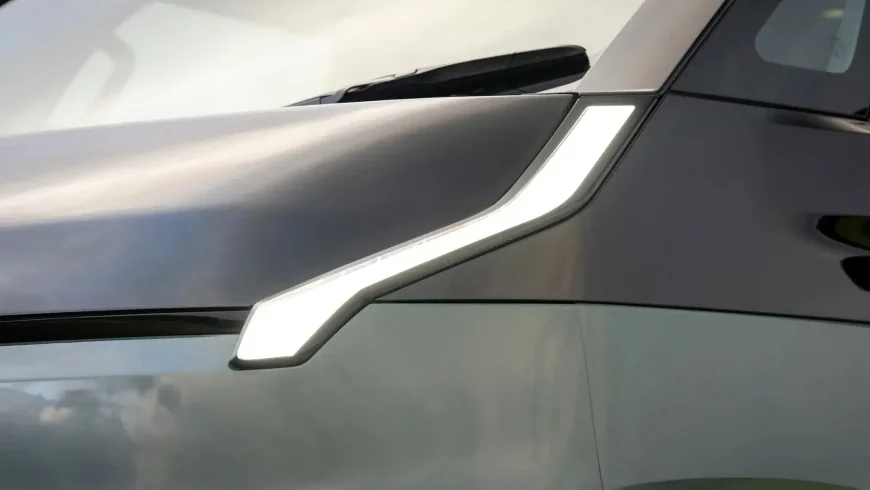
Seoul / Global — Kia has done something radical in the electric vehicle space: it has built a van that can be almost anything—and priced it to disrupt the entire market.
Meet the Kia PV5, an all-electric, Lego-like modular vehicle designed to be reshaped into nearly any form imaginable. Passenger car, cargo hauler, wheelchair-accessible transport, pickup, food truck, or ice-cream van—the PV5 is built to adapt.
 |
Create, launch, and scale your gaming platform — get instant access. |
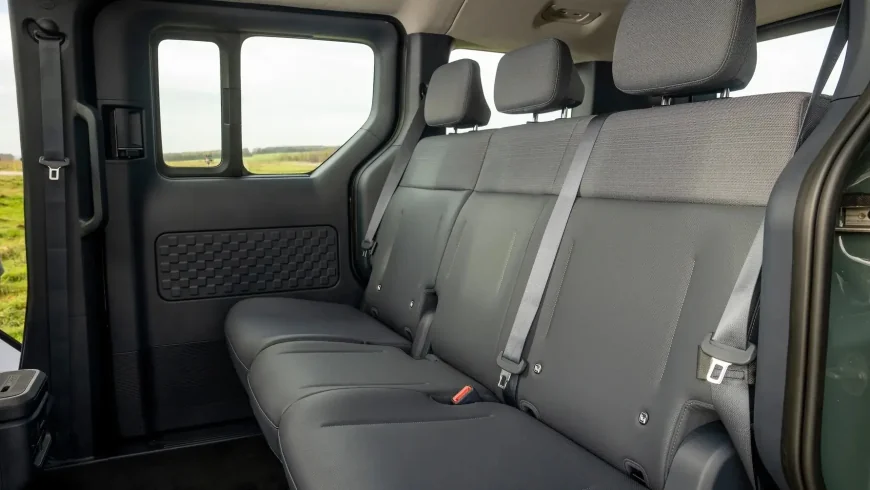
At launch, buyers can choose between a five-seat passenger version or a cargo van, with six- and seven-seat layouts coming later. Kia will also sell the PV5 as a bare chassis cab, allowing businesses and individuals to build custom bodies on top.
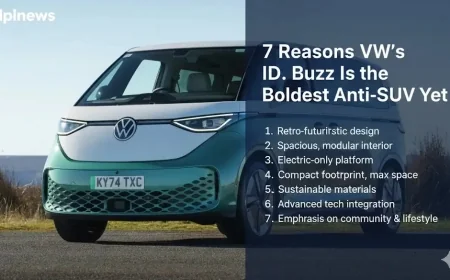
Its closest rival is obvious: Volkswagen’s ID. Buzz. Both sit on EV skateboard platforms, both offer cargo and passenger variants, and both target buyers craving space and versatility. But where the Buzz leans heavily on nostalgia, the PV5 counters with efficiency, flexibility—and a devastating price advantage.

The five-seat PV5 Passenger starts at just £31,495, nearly £30,000 cheaper than the VW ID. Buzz. Thanks to government EV incentives, it’s now cheaper than many compact electric crossovers—despite offering more interior space than all of them combined.
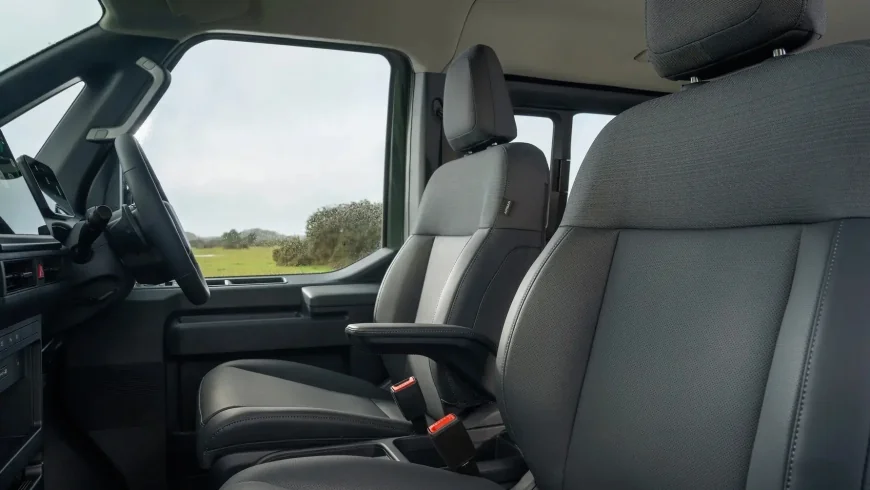
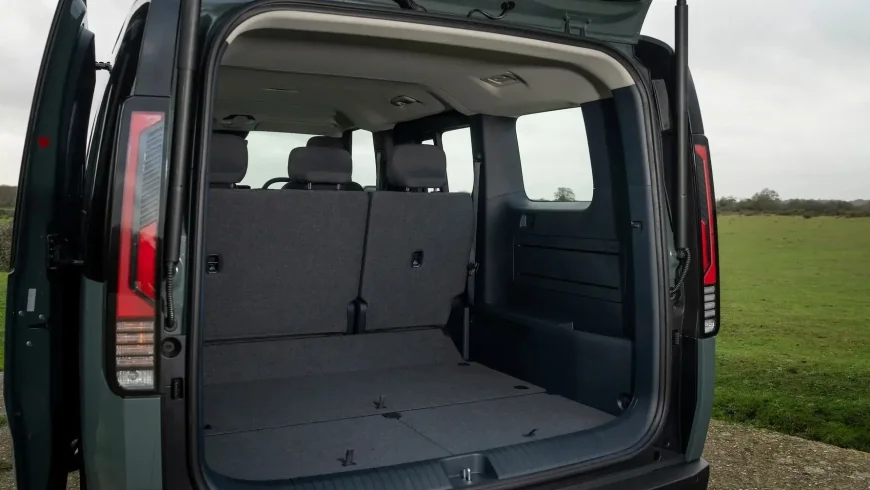
Inside, the PV5 is nothing short of cavernous. The low, flat floor and boxy proportions deliver MPV-level room that modern SUVs simply can’t match. Despite being slightly smaller externally than the Buzz, the Kia offers a larger boot and superior cargo volume.
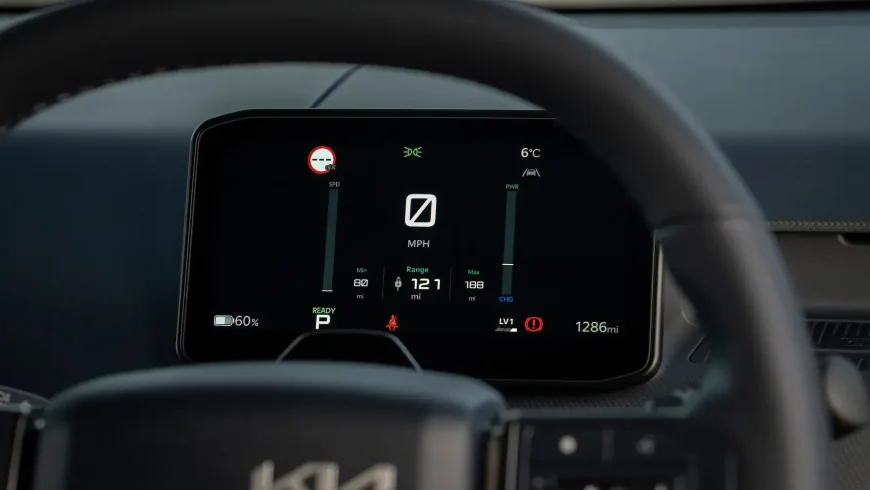
Underneath, the PV5 rides on Kia’s new PBV (Platform Beyond Vehicle) architecture, derived from the well-proven E-GMP platform. Two battery options are available, offering up to 256 miles of range, paired with a front-wheel-drive electric motor producing up to 160bhp.

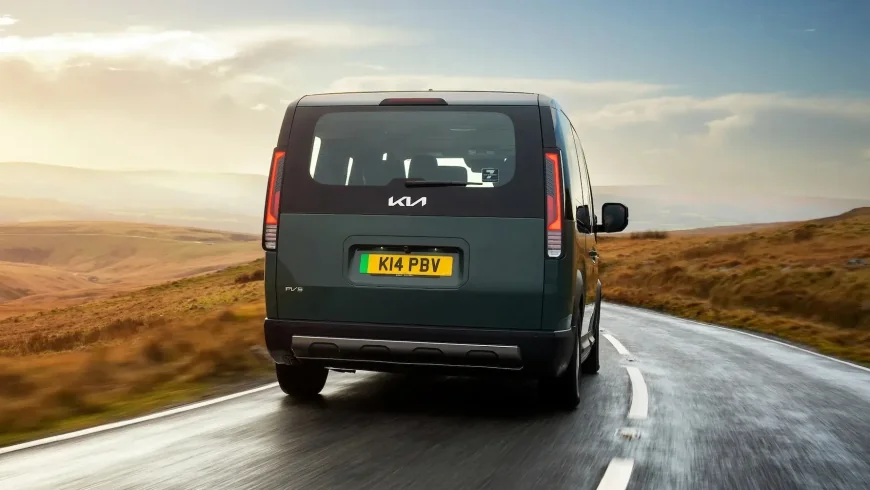
On the road, the PV5 impresses. Its low center of gravity delivers composed handling, while refinement rivals that of electric family cars rather than commercial vans. Efficiency is a standout, with real-world driving coming close to—or even exceeding—official range figures.
There are compromises. Interior styling is functional rather than flashy, charging tops out at 150kW, and there’s no ultra-long-range battery option yet. But Kia’s platform can already support much larger batteries, making future upgrades likely.
The verdict? The Kia PV5 doesn’t just challenge the electric van market—it exposes it. It makes traditional SUVs feel wasteful, MPVs feel overdue, and the much-loved ID. Buzz look wildly overpriced.
With larger PV7 and PV9 models on the way, Kia plans to sell 250,000 electric vans by 2030. If the PV5 is any indication, that goal suddenly looks very realistic.
Bottom line: This isn’t just a clever EV—it’s a category reset.
Thank you for reading this content.
If you find it helpful, then checkout : https://plplnews.com/trump-coins-unflattering-nickname-jd-vance-source
Also check out the latest BMW-i4 : https://plplnews.com/bmw-i4-review-electric-sedan-driving-experience
What's Your Reaction?
 Like
0
Like
0
 Dislike
0
Dislike
0
 Love
0
Love
0
 Funny
0
Funny
0
 Angry
0
Angry
0
 Sad
0
Sad
0
 Wow
0
Wow
0