
















Warner Bros Deal: What It Means for Streaming and Cinemas
Paramount’s Warner takeover could reshape streaming wars, movie theaters, and CNN coverage—here are 7 major changes that could impact prices and content.

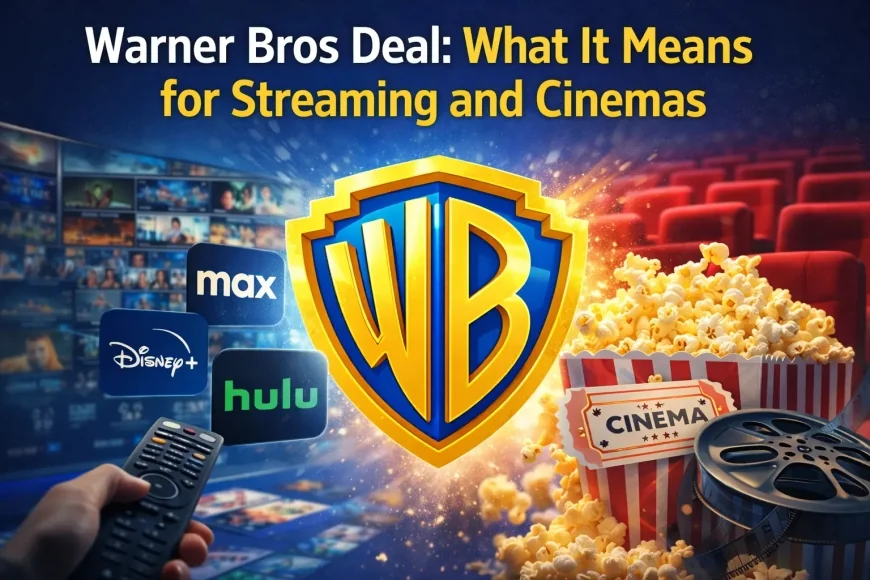
Paramount Skydance's proposed takeover of Warner Bros. could significantly alter Hollywood and the broader media landscape.
The deal isn't finalized yet—Paramount still needs approval from regulators.
But if it goes ahead, here's how it could change things for viewers.
Streaming costs could change
Paramount hopes to merge its Paramount+ service with Warner Bros.' HBO Max to create a streaming service that can compete with competitors like Netflix, Amazon, and Disney.
Viewers will be able to enjoy a wide range of content, from current hits like The Pit to classics like Casablanca, Star Trek, Friends, and The Sopranos, all with a single subscription.
The impact on prices is unclear.
Initially, analysts say those who currently pay for both services could get a cheaper deal overall. But over time, more attractive offers could allow Paramount to raise prices, while less competition among streamers could mean people pay more for their streaming subscriptions overall.
Read Also
"There will simply be less competition," says Tom Harrington, a TV analyst at Enders. "There will be the flexibility to charge a little more."
However, Ben Barringer, head of technology research at Quilter Cheviot, says any increased costs will be limited by the rates charged by Netflix, which he calls "the market's price-setter."
But none of these changes are going to happen immediately.
Scott Wagner, head of the antitrust practice at law firm Bilzin Sumberg, says that regulatory approval is expected to proceed "at full speed" under US President Donald Trump.
However, state attorneys general may try to block the deal in the future due to concerns about consumer prices and worker harm, he added. The California Attorney General has already promised a "vigorous" investigation.
So, given the regulatory timeline and existing distribution deals, it will likely be several years before any major changes to the services currently offered to viewers are realized.
Relief for theaters, but less content
Movie theater operators and others in Hollywood feared a Netflix takeover. This could have meant the abandonment of one of the last major studios, behind titles like Ryan Coogler's Sinners, The Minecraft Movie, and One Battle After Another last year.
Software Services

But unlike Netflix, Paramount and Warner Bros. still rely on ticket sales to drive returns on their films, which Matt Britzman of Hargreaves Lansdown explains, "which should mean fewer films are going straight to streaming as quickly."
He says, "This won't change long-term trends in cinema attendance, but it could alleviate the disruption that filmmakers feared under Netflix's model."
Tom Harrington of Enders agrees that a Paramount takeover is probably a "better outcome" for cinemas.
But he warns that consolidation will likely lead to fewer films being made, similar to what happened after Disney bought Fox.
In fact, Paramount has already been in cost-cutting mode since boss David Ellison merged it with his film studio, Skydance, last year. Many analysts are expecting further cuts, especially since Paramount took on debt to finance the deal.
"It's going to have to be paid back at some point," says Ben Barringer of Quilter Cheviot. "More debt means you're more burdened, and that means you have less money to spend on content."
Is CNN Trump-friendly?
If the deal goes through, it would bring another flagship US news network – CNN – under the control of the Ellison family, which has a friendly relationship with the White House.
Read Also
This has already raised concerns among Democrats and media advocates in the US, who fear it will lead to more cautious coverage of the Trump administration.
They point to changes Ellison has made in recent months at the news network CBS, which he took over as part of the Paramount merger, such as appointing someone to monitor discrimination at the network. His tenure has also included staff reductions, the appointment of a new editor-in-chief known for his opinion writing, and clashes with journalists over editorial independence.
It is reported that the Ellison family has already discussed changes at the network with President Donald Trump, who is known for his attacks on CNN. In December, he demanded the channel be sold, saying its leaders were either "corrupt or incompetent."
Seth Stern, chief advocate for the Freedom of the Press Foundation, says, "I don't think CNN will become Fox News overnight," noting that there are already several popular news outlets catering to right-wing audiences. "But coverage could be softened, criticism of the Trump administration could be toned down, hosts who are particularly critical... could be fired."
Rodney Benson, a media professor at New York University, called the deal "worrying," saying it would further shift America's largest media companies into the hands of conservatives. He added that many owners, including the Ellison family, have diverse, news-related business interests that rely on government contracts or regulation, making them more vulnerable to pressure.
He says, "This isn't just a shift in mindset; it's a threat to democracy and the rule of law."
He adds that one of the most important changes will be who Ellison appoints as editor-in-chief, a choice that will set the tone for what happens next.

He says, "He'll make this choice knowing that Donald Trump is watching."
But YouTube remains the biggest disruptor
How successful the merger of two legacy media outlets, both facing financial pressure, will be remains an open question.
That's because the "biggest" threat to streaming services isn't each other—it's YouTube, says Andersen's Harrington.
Half of the platform's top-trending videos now resemble traditional TV, including long-form interviews and game shows, positioning it as a direct competitor to ad-supported TV services.
Also, short-form video has eroded the audience for traditional media.
Staying competitive "isn't just about being competitive with each other, it's about being competitive with short-form video, and you'll see them going in that direction," Harrington says.
Thank you for reading this content.
Thank you for reading this content.
What's Your Reaction?
 Like
0
Like
0
 Dislike
0
Dislike
0
 Love
0
Love
0
 Funny
0
Funny
0
 Angry
0
Angry
0
 Sad
0
Sad
0
 Wow
0
Wow
0