



















US Accused of Using Illegal Workers at Refugee Centre in South Africa
South Africa accuses the US of using illegal workers at a refugee centre, after seven Kenyan nationals were arrested for visa violations.

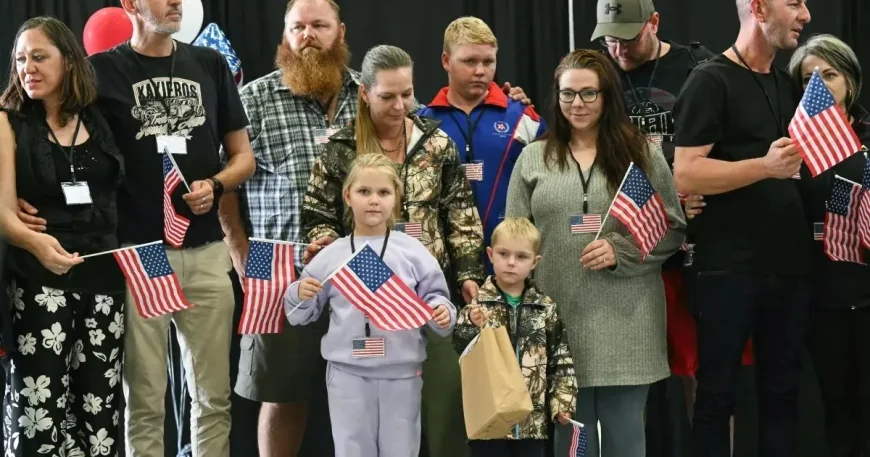
South Africa has accused the United States of using Kenyan nationals without work permits at a processing center where applications for refugee status from white South Africans were being handled.
A statement from South Africa's Department of Home Affairs said intelligence reports led to the arrest of seven Kenyans who had "recently entered South Africa on tourist visas and were working illegally at the center."
While the US is generally trying to reduce overall immigration levels, it says that members of South Africa's white Afrikaner community may qualify for asylum because they face persecution – a claim the South African government strongly denies.
The US has reduced its annual quota for refugees from around the world from 125,000 to 7,500, but says it will prioritize Afrikaners, who are mostly descendants of Dutch and French settlers.
This is one of the issues that has led to a significant deterioration in relations between South Africa and the Trump administration.
South Africa says the Kenyan nationals arrested in Tuesday's raid will now be deported and banned from entering the country for five years.
The statement said they had previously been denied work visas, but "were found working despite having tourist visas, which is a clear violation of the conditions of their entry into the country."
South Africa also expressed concern that foreign officials were colluding with undocumented workers and said it had contacted the US and Kenya to resolve the matter.
The Department of Home Affairs said the raid demonstrates that South Africa is "committed to fighting all forms of illegal immigration and visa abuse with the United States."
It also stated that no US officials were arrested and that the operation did not take place on diplomatic premises. While the State Department has not yet responded to the BBC's request for comment, in a statement issued to US publications, State Department Principal Deputy Spokesperson Tommy Pigott said the department was "seeking urgent clarification from the South African government" on the issue and expects "full cooperation and accountability."
US publication The Hill quoted Pigott as saying, "Interference in our refugee operations is unacceptable."
According to the US embassy in South Africa, applications from white South Africans are being processed by RSC Africa, a Kenya-based refugee assistance center operated by Church World Service (CWS). US President Donald Trump has repeatedly claimed that a "genocide" is taking place against Afrikaners in South Africa, despite a lack of evidence that white farmers are disproportionately targeted by crime compared to black farmers.
Earlier this year, when South African President Cyril Ramaphosa signed a law allowing the government to seize land without compensation under certain circumstances, Trump offered to grant refugee status to Afrikaners.
Software Services
 |
Start your own gaming platform for just $3,000 |
The first group of approximately 50 people traveled to the US on a chartered plane – it is unclear how many more have gone or are in the process of applying.
Due to the legacy of apartheid, most privately owned farmland in South Africa is held by the white community, and the South African government is under pressure to redistribute land to black farmers. However, the government says no land has yet been seized under the new law.
South Africa has repeatedly attempted to improve relations with the Trump administration, particularly when Ramaphosa led a high-level delegation to the White House earlier this year.
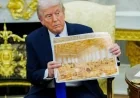
However, this backfired when Trump reportedly showed him photos, videos, and news reports allegedly depicting government-sponsored persecution of white people. In a video, South Africa's outspoken opposition leader Julius Malema was seen singing: "Shoot the Boer [Afrikaner], shoot the farmer."
However, a South African court has ruled that the song, which Malema frequently sings at his political rallies, does not constitute hate speech.
Last month, the US boycotted a G20 summit in South Africa and has said it will not invite South African officials to its meetings since taking over the leadership of the group of the world's largest economies.
Thank you for reading this content.
What's Your Reaction?
 Like
1
Like
1
 Dislike
0
Dislike
0
 Love
0
Love
0
 Funny
0
Funny
0
 Angry
0
Angry
0
 Sad
0
Sad
0
 Wow
0
Wow
0