




























PM Unveils Lifeline for Soaring Heating Oil Bills
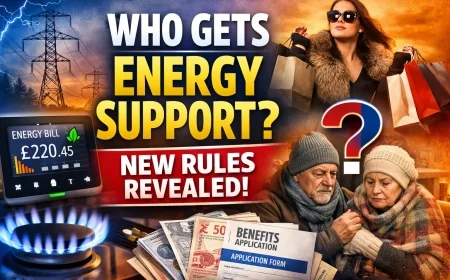
UK unveils a £50M plan to help families hit by soaring heating oil prices as Middle East tensions push crude oil above $100 per barrel.

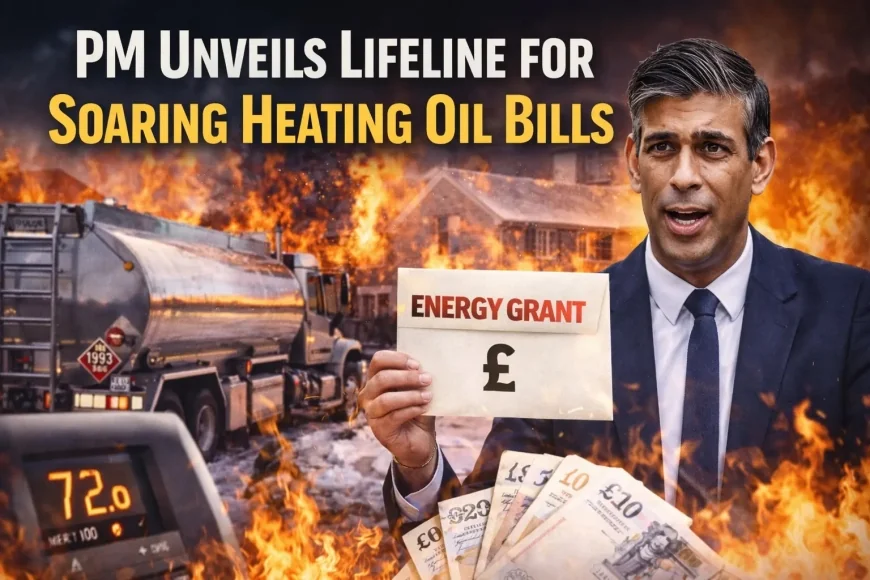
The government is set to introduce schemes to assist families who have faced a sudden and drastic surge in heating oil prices.
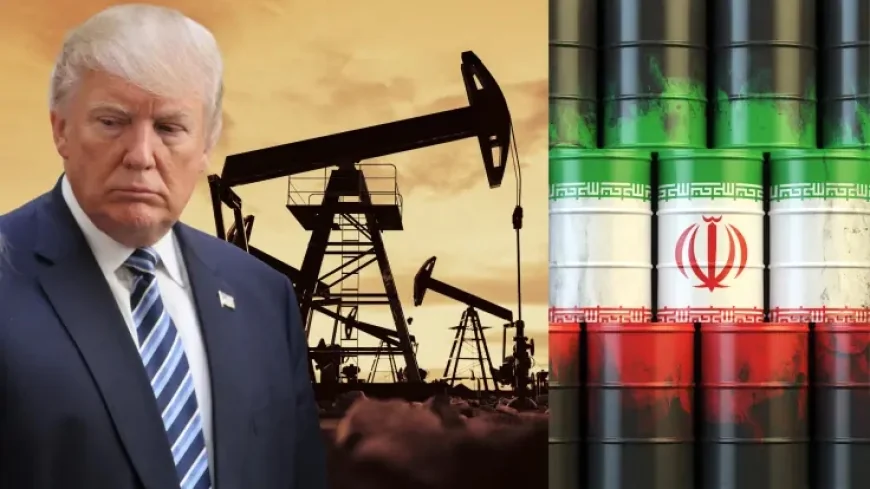
Heating oil prices have risen sharply since the outbreak of war involving the US, Israel, and Iran, as the price of crude oil has climbed above $100 (£75) per barrel—up from $71 per barrel prior to the commencement of the conflict.
Over the weekend, Shadow Chancellor Rachel Reeves told *The Times* that she has "secured the funds" to provide assistance.
Prime Minister Sir Keir Starmer is expected to announce these aid schemes during a press conference on Monday; the initiatives are reported to cost £50 million. He is also expected to state that, following allegations of arbitrary price hikes, he "will not tolerate companies attempting to profiteer from this crisis."
Unlike consumers who rely on gas and electricity for heating and hot water, families using heating oil are not subject to price caps set by the regulator, Ofgem.
Consequently, those who use heating oil have been the first to feel the impact of rising crude oil prices, with some customers reporting that their costs have doubled.
Read Also
This issue is particularly acute in Northern Ireland, where approximately 500,000 households—representing roughly two-thirds of all households in the region—rely on heating oil.
According to the 2021 Census, approximately 3% of households in England and Wales reported using heating oil as their sole source of central heating, while in Scotland, this figure stands at 5%. Last week, Reeves stated that some heating oil companies are using the crisis in the Middle East as "an opportunity to rip off consumers," and she called upon the Competition and Markets Authority (CMA) to investigate the matter.
In response, the UK and Ireland Fuel Distributors Association—which represents heating oil suppliers—stated that its members have witnessed a "huge and unexpected surge in demand."
"We have spoken to numerous distributors who, despite significant price volatility and high demand, are fulfilling orders as quickly as possible. We are aware that the CMA is monitoring this situation, and we support this approach."
On Saturday, CMA Chief Executive Sarah Cardell stated that the authority is urgently investigating these issues, and that if "potential breaches are identified, they will not hesitate to take strong action."
Software Services

Sir Keir is expected to express his concerns on Monday regarding reports of cancelled orders and arbitrary price hikes. "If companies have broken the law, legal action will be taken against them"—he is expected to make a statement to this effect.
Last week, the price of crude oil reached nearly $120 per barrel before easing slightly. On Friday, it closed near $104 per barrel, though this remains significantly higher than the price level prior to the outbreak of the conflict.
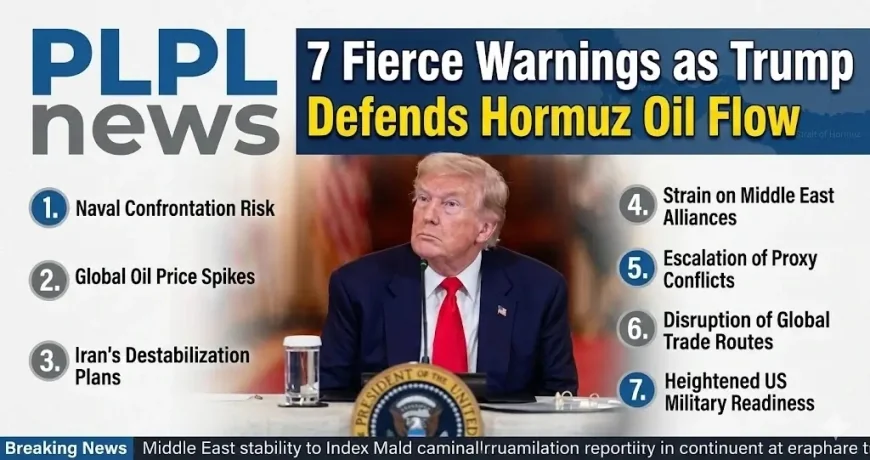
This surge in prices is primarily attributed to the near-closure of the Strait of Hormuz—a critical waterway through which one-fifth of the world's total oil supply passes.
For the time being, household gas and electricity bills in England, Wales, and Scotland remain protected by an "energy cap." This cap is set by the regulator, Ofgem. Under this cap, bills are set to decrease in April.
However, what transpires in the wholesale energy market between now and the end of May will ultimately determine the trajectory of household bills starting in July. If wholesale prices remain elevated for a prolonged period, it could result in a substantial surge in energy costs for millions of people.
Read Also
The last time prices experienced a sudden spike—following the COVID-19 pandemic and Russia's invasion of Ukraine—the government was compelled to step in and assist the public through the 'Energy Price Guarantee.'
Speaking on the program *Laura Kuenssberg with*, Energy Secretary Ed Miliband stated, "If it becomes necessary to intervene regarding energy bills, we certainly will." However, he also noted that any such government intervention would be contingent upon the severity of the impact resulting from the ongoing conflict.
Speaking on the same program, Shadow Energy Security Secretary Claire Coutinho urged the government to implement the 'Cheaper Electricity Plan.' This plan, originally outlined by the Conservative Party last year, was designed to provide immediate relief by lowering people's electricity bills.
Coutinho asserted, "Our primary priority must be to reduce the cost of people's energy bills," adding that this should be accomplished "before we are forced to ask taxpayers for further assistance."
Thank you for reading this content.
Thank you for reading this content.
What's Your Reaction?
 Like
0
Like
0
 Dislike
0
Dislike
0
 Love
0
Love
0
 Funny
0
Funny
0
 Angry
0
Angry
0
 Sad
0
Sad
0
 Wow
0
Wow
0