






















$120 Oil Shock: 3 Risks Trump Faces Over Iran War
Rising oil prices and economic pressure from the Iran war create political risk for Donald Trump as markets swing and US voters worry about the cost of living.

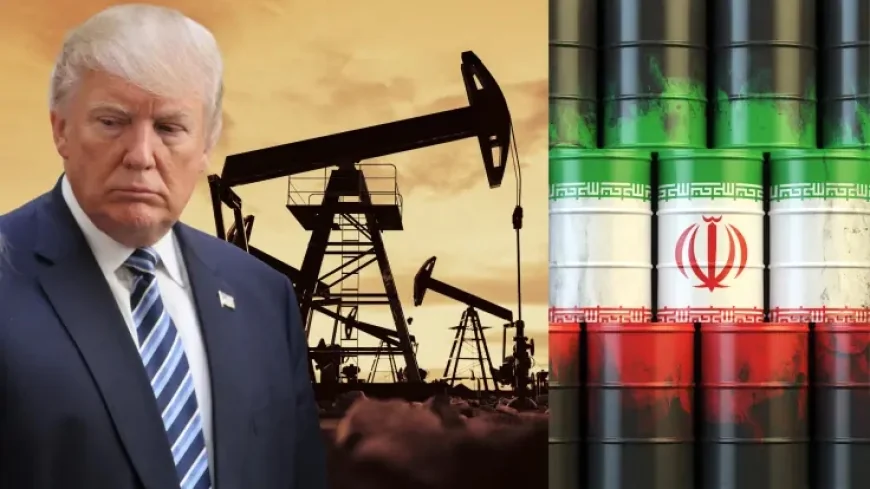
President Donald Trump and his administration have so far offered mixed messages and contradictory responses regarding the joint US-Israeli military campaign against Iran. And Monday – the 10th day of an operation that has rattled allies and shaken markets – highlighted this confusion regarding the war's timeline and ultimate objective.
After a turbulent morning, in which US stock market indexes fell and oil prices surged, the US president began speed-dialing reporters in an attempt to calm panic. However, his comments remained unclear even when asked for more details.
When asked about rising oil prices, he told a New York Post reporter, "I have a plan for everything, okay?" "I have a plan for everything. You'll be very happy."
He added, "We're way ahead of schedule." When asked if the operation could end soon, Trump said: "I don't know, it depends. Ending it is on my mind, not on anyone else's."
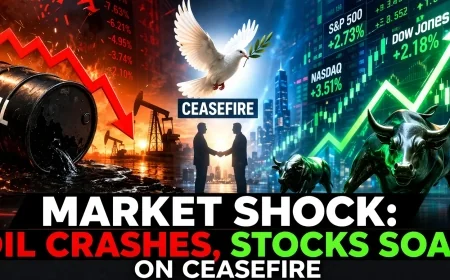
His telephone conversation had the desired effect, at least economically. The stock market surged, and the price of a barrel of oil – which had reached $120 earlier in the day – fell below $90.
Read Also
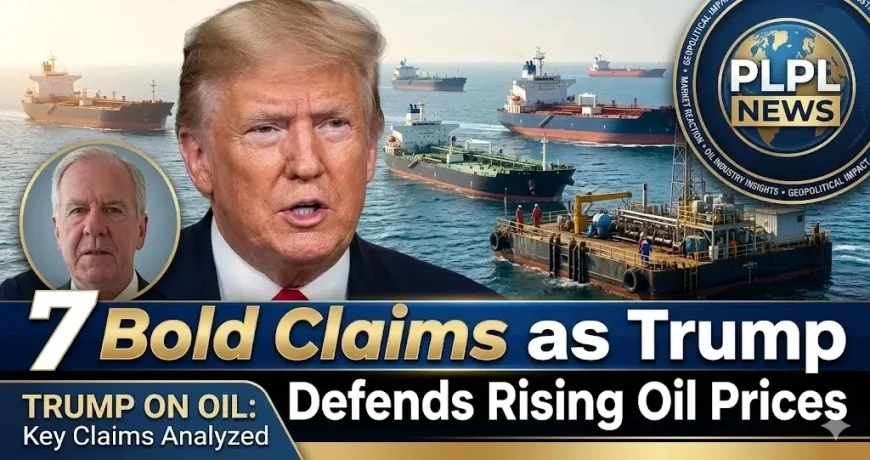
Just days earlier, Trump had said he would not stop the war until Iran's "unconditional surrender." But after his comments on Monday, it appeared that the military operation that had caused turmoil in the Middle East and almost completely shut down shipping traffic through the Strait of Hormuz was nearing an end.
However, by evening,Trump backtracked on those comments.
"We can call it a tremendous success right now," he said. "Or we can go further. And we're going to go further."
He said the US was "very close to finishing" what he called an "excursion," but warned that if Iran continued to threaten oil tankers leaving the Persian Gulf, the US would intensify its attacks.
He said, "We will hit them so hard that it will be impossible for them or anyone else helping them to take back that part of the world."
Trump also outlined a larger mission for the war. He said his goal was to ensure that Iran could not develop weapons to target the US, Israel, or any US allies "for a very long time."
Software Services

Ultimately, this may require the kind of regime change Trump has not been able to achieve so far, as the late Ayatollah Ali Khamenei has been replaced by his son as leader.
In just a few hours, the president's messages were confusing. Those looking for signs of the end of this massive military operation or clues about its concrete objectives were left with more questions than answers.
In an interview with CBS on Sunday, Defense Secretary Pete Hegseth outlined the next phase of the US-Israeli operation, which involves the use of more powerful weapons. He said, "For us to stay on top and attack military targets with more conventional weapons, gravity bombs, 500-pound, 1,000-pound, 2,000-pound bombs, we haven't even begun that campaign effort yet."
When Trump was asked on Monday about the apparent contradiction between his statement that the war was "completely over" and Hegseth's assertions, he replied: "I think you can say both."
He added, "This is the beginning of building a new country."
However, building an Iraq-style country is something Trump and his allies have clearly stated they don't want to do.
Read Also
On Tuesday, US investors will deliver their verdict on Trump's latest statements. But even if the market fluctuations we've seen begin to stabilize, the surge in gasoline prices will likely take longer to calm down. In the US, the average price of a gallon of gasoline is now $3.48, up 48 cents from a week ago.
This comes at a time when there are signs that the economy is already in trouble. For example, last Friday, the Bureau of Labor Statistics reported that the US lost 92,000 jobs in February, unemployment rose to 4.4%, and the labor force participation rate, at 62%, was the lowest since December 2021.
Concerns about "affordability" and the cost of living are regularly the top issues for Americans – and these same polls show that there is considerable opposition to the ongoing Iran military campaign. This is a dangerous mix for a president deeply involved in this operation and just months away from crucial midterm elections in November that will determine control of Congress.
Trump has promised that higher prices are temporary, and that by the time Americans vote in November, they will be more positive about the cost of living.
Read Also
However, in northern Georgia, voters are casting their ballots in a special congressional election on Tuesday. There, the Iran war—and the threat it poses to the economy—are major concerns.
Bob Stinnett, an independent voter, said he worries that rising energy prices could lead to a recession. "I supported Trump, but not for this," he said.
Angie, who recently retired after a long career as a nurse, said she worries that rising gas prices could eat into her budget during this difficult time for her finances.
When asked how she feels about the Iran war and how it will affect her gas prices, she said she cares deeply about the people of Iran. But, she said, the US should not have gotten involved.
"Frankly, I don't like it at all," she said. "I understand they need help, but couldn't we have found another way to do it?"
Read Also
The northwestern Georgia district, most recently held by right-wing firebrand Marjorie Taylor Greene, is strongly conservative. But even there, voters are restless, which presents a major opportunity for Democratic candidate Sean Harris.
"Because gas prices are going up, everything is skyrocketing, and if for no other reason, it's something we've decided to get involved in," said the farmer and retired brigadier general.
"I think I'll win more voters simply because we're in a war," he added. "And yes, those voters' sons and daughters are also at war."
The president has repeatedly promised to lower prices, and he and his team have signaled an awareness of the issue's importance. Late last year, he launched a so-called "Affordability Tour" in Pennsylvania, but it never fully took off.
Military operations in Venezuela and Iran dominated headlines in the months that followed, so Trump could be seen as a president more focused on foreign interference determining his legacy than domestic food prices. The White House will, of course, argue that they can manage both.
Read Also

But with gasoline prices rising due to the military campaign, which polls suggest few Americans actually wanted, Trump faces a real political risk.
On Monday evening, he spoke of the "tremendous success" the US military has achieved so far in his campaign. He described how Iran's navy was destroyed, its air force destroyed, and its radar and anti-aircraft equipment disabled.
However, war is about much more than just launching missiles, dropping bombs, and destroying targets.
The cost of this war—measured in terms of damage to the global and US economies, and the political costs to Trump and his fellow Republicans—is still unfolding.
And in a year that could well determine Trump's second term, the American public has yet to render its final verdict.
Thank you for reading this content.
What's Your Reaction?
 Like
0
Like
0
 Dislike
0
Dislike
0
 Love
0
Love
0
 Funny
0
Funny
0
 Angry
0
Angry
0
 Sad
0
Sad
0
 Wow
0
Wow
0