






























Petrol Hits 150p as Asda Boss Fights Back
Fuel prices surge past 150p amid the fuel price crisis, as Asda denies profiteering claims and rising oil costs squeeze drivers across the UK.


Asda's boss has dismissed claims that retailers are exploiting rising oil prices to boost their profits, as fuel prices edged up slightly once again on Friday.
One month after the US and Israel launched attacks on Iran, the average price of a litre of petrol rose above 150p for the first time in nearly two years, while the price of diesel climbed above 177p.
RAC data indicates that the conflict is driving a steady rise in fuel prices, although current rates remain below the peaks observed following Russia's invasion of Ukraine.
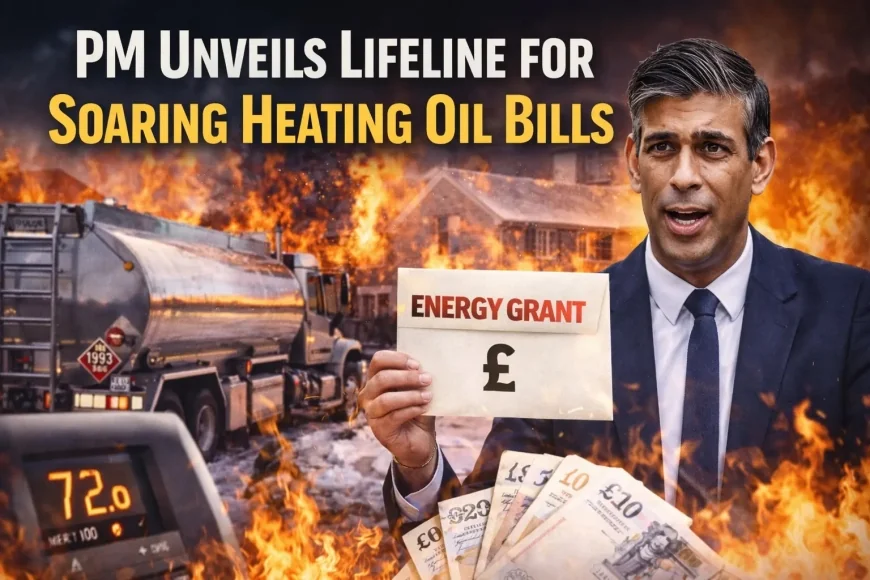
The cost of filling a standard family car with unleaded petrol is now £9.50 higher than it was a month ago, pushing the total above £82. A full tank of diesel costs £19 more, exceeding £97.
Asda's Executive Chairman, Allan Leighton, issued a strong rebuttal to suggestions that fuel stations have profited from the crisis, accusing government ministers of "pointing the finger" at retailers.
Read Also
He also noted that the conflict is impacting fuel supplies in certain areas, leading to the temporary closure of some pumps due to surging demand.
Leighton stated that Asda—the UK's second-largest fuel retailer—has not closed any of its fuel stations as a result of the conflict; he expressed confidence that any pumps currently affected would be back in operation following their next scheduled delivery.
"Our fuel volumes have increased significantly, and it is clear that demand is far outstripping supply," he said.
"Supplies are tight, and we are all working hard to address this."
The Petrol Retailers Association (PRA) acknowledged reports regarding fuel availability at "a small number of a single retailer's fuel stations," but emphasized that there are no grounds for concern. Gordon Balmer, Director of the PRA, stated, "Fuel supplies across the UK are running normally, and there is no need to alter your usual purchasing habits."
The RAC described the rise of petrol prices above the 150p-per-litre mark as an "unwelcome milestone."
Simon Williams, the RAC's Head of Policy, said, "With the four-day Easter weekend just around the corner, the cost of taking a trip by car this year will be significantly higher."
Unleaded petrol is now 17p per litre more expensive than it was before the conflict began. Diesel is 35p per litre more expensive. The RAC advises drivers to "plan carefully" where they refuel and to use apps that allow them to compare prices at nearby outlets.
Software Services
 |
Build a profitable gaming business with 500+ games — book a demo |
The debate surrounding fuel prices has intensified in recent weeks as wholesale costs have risen.
Fuel retailers have criticized the government's use of "inflammatory" language. This criticism followed the government's announcement that it would take strict action against any retailer attempting to "rip off" customers.
The Competition and Markets Authority has stated that it will increase its monitoring of the sector.
Leighton noted that Asda's profits have declined due to the recent surge in prices, and that it is "absolutely clear" that no profiteering has taken place.
Leighton said, "The government is raking in a lot of money from this; and before they start accusing people of profiteering—in my view—there is absolutely no truth to their claims." "You don't need to be an Einstein to understand that, under the current circumstances, this is effectively impossible.
He further added, 'I think that instead of pointing fingers at others, the government should take a look at what it is doing itself.'"
Although fuel duty is levied at a fixed rate, the government imposes VAT on the total retail price of petrol and diesel; this means that as prices rise, tax revenues also increase.
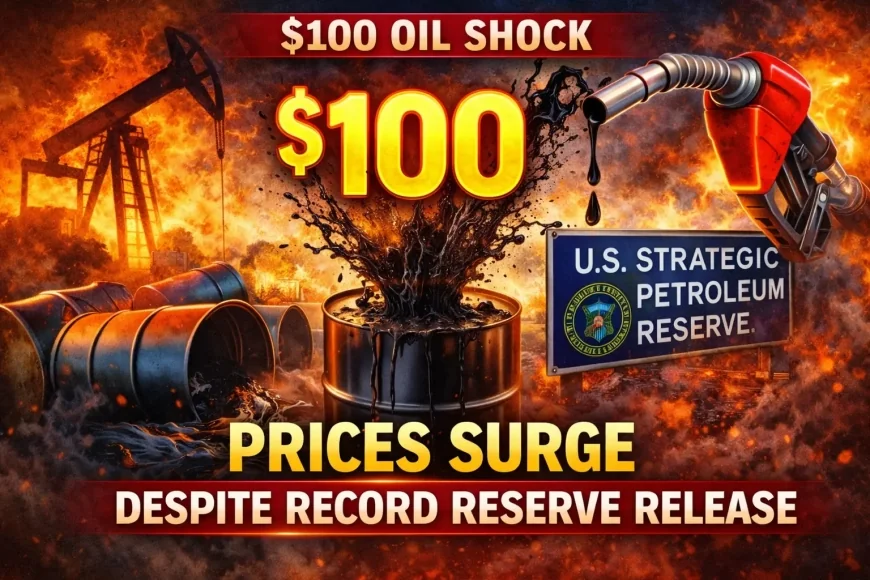
On Friday, Brent crude oil prices once again surged past $110 per barrel, even as President Trump further postponed his plans to strike Iranian energy facilities.
Over the past four weeks, wholesale Brent crude oil prices have fluctuated between $73 and $116 per barrel. This volatility stemmed from traders closely monitoring whether oil supplies from the Middle East would face disruptions or remain stable.
Late Thursday night, Trump stated that negotiations with Iran were progressing "very well" and that he would refrain from launching military strikes against Iran's energy infrastructure until at least April 6.
In the past, similar statements have helped to calm the markets.
However, Russ Mould, Investment Director at AJ Bell, noted that the comments emanating from Washington and Tehran appeared to come from "two different worlds."
Increases in wholesale prices inevitably lead to higher prices at the petrol pump, often with a slight time lag. However, a significant portion of the total fuel cost is accounted for by expenses related to transport, processing, retail operations, and taxes.
Experts estimate that for every $10 increase in wholesale oil prices, petrol pump prices rise by approximately 7 pence per liter.
Thank you for reading this content.
What's Your Reaction?
 Like
0
Like
0
 Dislike
0
Dislike
0
 Love
0
Love
0
 Funny
0
Funny
0
 Angry
0
Angry
0
 Sad
0
Sad
0
 Wow
0
Wow
0