
























War Nearing End? Iran Reviewing Key US Proposal
Iran reviews a 14-point US peace proposal as nuclear talks intensify and hopes rise for a ceasefire and reopening of the Strait of Hormuz.

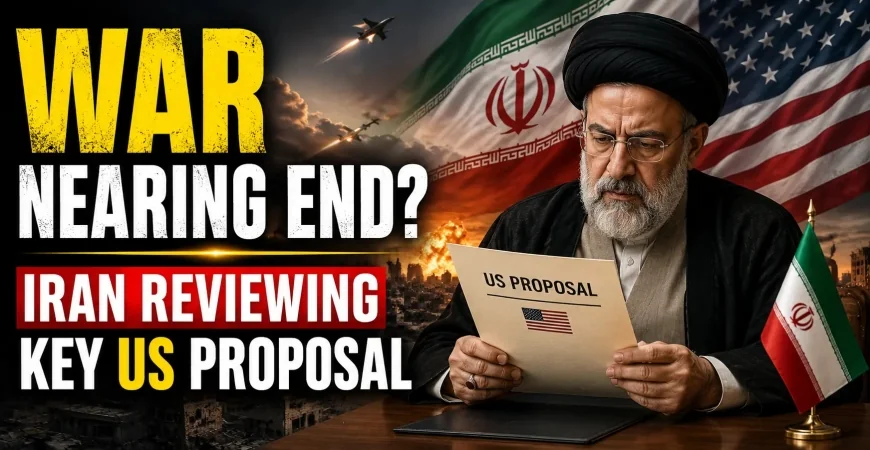
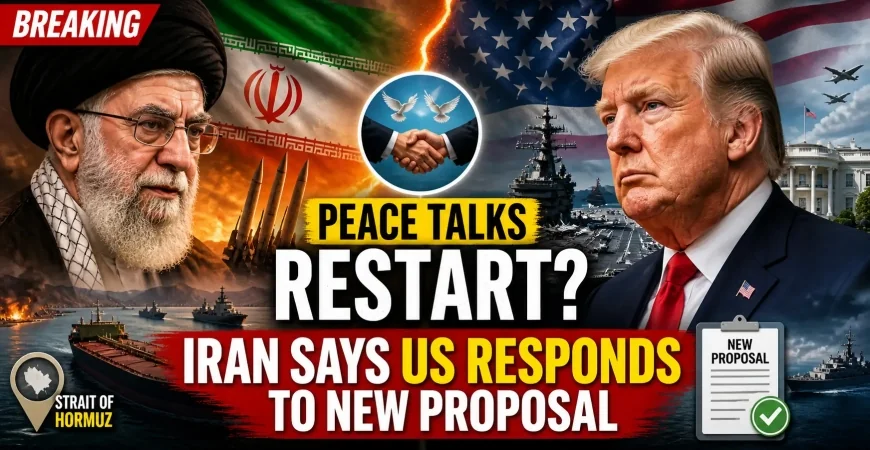
Iran states that the U.S. proposal to end the war is "still under consideration," following reports that both sides may be close to reaching an agreement.
The U.S. news outlet Axios reported on Wednesday that the White House believes it may be close to reaching a 14-point Memorandum of Understanding (MOU) with Iran.
A senior member of Iran's parliament dismissed it as a "wish list," while a Foreign Ministry spokesperson stated that Tehran would share its views on the U.S. proposal with Pakistani mediators.
Pakistan's Foreign Minister said that his country is "striving to transform this ceasefire into a permanent end to this war." President Donald Trump stated that the U.S. has had "very good talks with Iran over the last 24 hours" and that an agreement is possible.
In its report, Axios described the MOU as a one-page, 14-point memorandum that could lay the groundwork for more detailed nuclear negotiations.
The provisions listed therein include a halt to Iranian nuclear enrichment, the lifting of sanctions, and the restoration of free passage through the Strait of Hormuz.
It cites two U.S. officials and two other sources—all anonymous—whom it described as being knowledgeable about these issues. Citing these sources, the report states that many of the conditions outlined in the memorandum would take effect only upon the conclusion of a final agreement.
The news agency reported that two sources with knowledge of the mediation efforts between the U.S. and Iran confirmed the information initially reported by Axios, though the details of the proposal have not been publicly disclosed.
Iranian Foreign Ministry spokesperson Esmail Baghaei told the Iranian Students' News Agency (ISNA), "The U.S. proposal is still under review by Iran, and once the review is complete, it will convey its views to the Pakistani side." Responding to a report by Axios, Ebrahim Rezaei, spokesperson for the Iranian Parliament's National Security and Foreign Policy Commission, wrote on X: "The Americans will achieve nothing in the war they are losing—nothing that they failed to achieve in face-to-face negotiations."
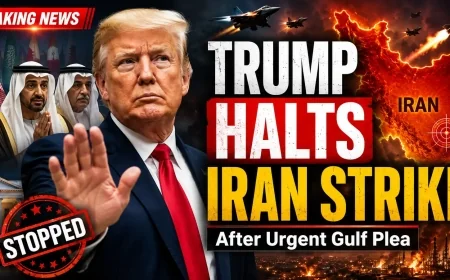
He also stated that Iran has its "finger on the trigger and is ready," warning that if the U.S. "does not surrender and make the necessary concessions," Iran will deliver "a harsh and regrettable response." Trump, too, has once again issued threats of violence. Writing on his 'Truth Social' platform, he stated that if Iran does not agree to a deal, "the bombing will begin—and, sadly, it will be on a scale and intensity far greater than ever before."
He further noted that 'Operation Epic Fury'—the initial U.S.-Israeli strike against Iran—would cease "if Iran agrees to abide by the terms that were previously agreed upon." This statement came shortly after U.S. Secretary of State Marco Rubio declared that the operation had concluded, having achieved its objectives.
Trump—in a claim he has made before—also asserted that Iran had agreed, "among other things," never to possess nuclear weapons; however, Tehran has not corroborated this claim. Iran's nuclear program has long been one of the primary points of contention between the two sides.
"They [Iran] want to make a deal," Trump said. "We have had very productive discussions over the past 24 hours, and there is a strong possibility that we will reach an agreement." He added, "I believe we have achieved a victory."
 |
All-in-one casino solution ready to launch — talk to our experts now |
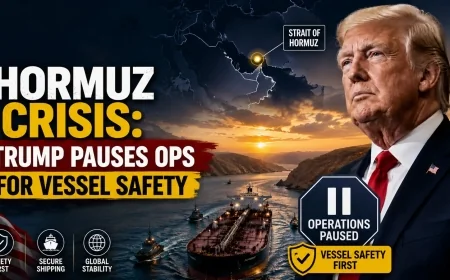
On Tuesday, he announced that he was halting 'Project Freedom'—an announcement made just days after he had launched the initiative. The objective of this operation was to extract ships stranded in the Gulf via the 'Strait of Hormuz,' thereby helping to restore oil supplies and gradually return the global economy to normalcy.
Iran has not yet publicly responded to this blockade; however, the 'Islamic Revolutionary Guard Corps' (IRGC) has indicated that the strait will be reopened if "threats from the aggressors cease."
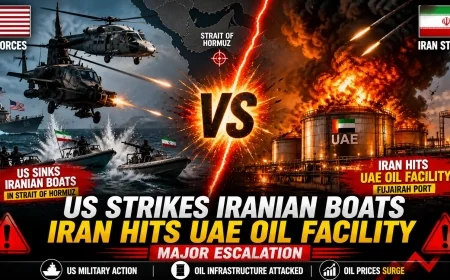
This vital waterway—through which 20% of the world's oil and Liquefied Natural Gas (LNG) typically passes—has been effectively blockaded by Iran since attacks were launched by the United States and Israel in late February.
In early April, the United States and Iran announced a ceasefire. Under this agreement, Iran halted its drone and missile attacks against Gulf nations, including the UAE; however, very few ships have managed to pass through the strait since that time.
The United States has also imposed a blockade of its own on Iranian ports, stating that it has intercepted dozens of vessels. On Wednesday, U.S. Central Command reported that it had disabled an Iranian-flagged oil tanker in the 'Gulf of Oman' by opening fire upon it; the tanker was attempting to breach the blockade.
On Wednesday, Israeli Prime Minister Benjamin Netanyahu stated that there is "full coordination" between himself and President Trump regarding the issue of Iran.
Thank you for reading this content.
What's Your Reaction?
 Like
0
Like
0
 Dislike
0
Dislike
0
 Love
0
Love
0
 Funny
0
Funny
0
 Angry
0
Angry
0
 Sad
0
Sad
0
 Wow
0
Wow
0