


























China Pushes Iran: Reopen Hormuz ‘Now’ Amid Crisis
China urges swift action in the Strait of Hormuz crisis, calling for reopening and ceasefire as global oil supply fears rise amid rising US-Iran tensions.

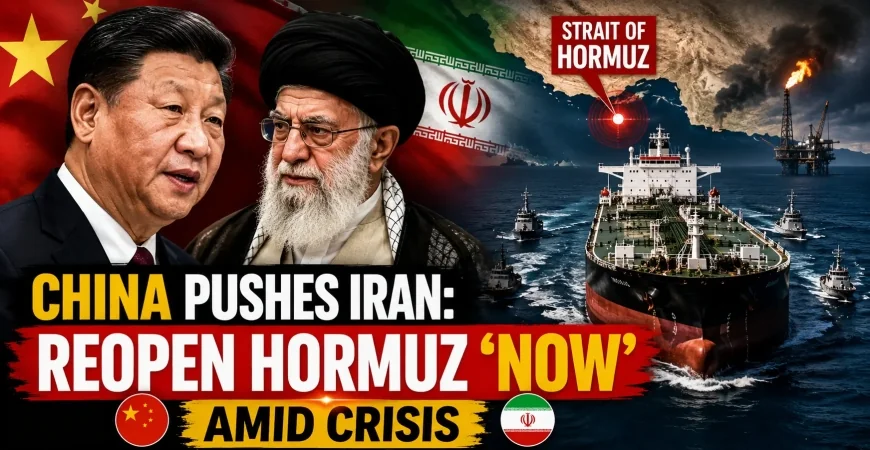
Chinese Foreign Minister Wang Yi, in talks with his Iranian counterpart, has appealed for the Strait of Hormuz to be reopened "as soon as possible."
The two leaders met in Beijing on Wednesday. This marked Iranian Foreign Minister Abbas Araqchi's first visit to China since the outbreak of the conflict involving Iran.
Wang Yi also told Araqchi that achieving a lasting ceasefire is an "urgent priority," adding that it is crucial to maintain dialogue. He further stated that Beijing stands ready to assist in de-escalating tensions.
This meeting took place one week prior to the upcoming summit between US President Donald Trump and Chinese leader Xi Jinping. During this summit, the two leaders are expected to discuss the conflict involving Iran and the issue of reopening the Strait.
According to reports from state-run media, Wang Yi stated, "China believes that achieving a comprehensive ceasefire is an urgent priority, while a resumption of hostilities would be even more undesirable."
"Regarding the issue of the Strait, the international community shares a common concern regarding the restoration of normal and safe navigation through the Strait; China hopes that the relevant parties will respond to this strong appeal from the international community as soon as possible."

Beijing—which has sought to mediate without becoming directly involved in the conflict—has repeatedly urged both the US and Iran to engage in dialogue, a point that Wang reiterated on Wednesday.
According to Chinese state media reports, Wang also noted that China appreciates Iran's commitment not to develop nuclear weapons.
According to Iranian state media, Araqchi told Wang that cooperation between China and Iran would grow even stronger.
Both Trump and Iranian officials have credited Beijing with helping to secure the ceasefire brokered by Pakistan in April. On Wednesday, Wang also emphasized the importance of safe passage through the Strait of Hormuz.
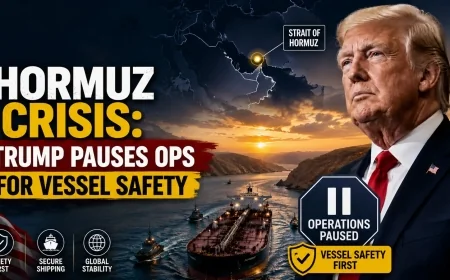
Since the outbreak of hostilities, the Strait of Hormuz—a busy waterway through which the majority of the world's oil is transported—has become largely inaccessible due to blockades imposed by both Iran and the United States.
Beijing has characterized the U.S. naval blockade of Iranian ports as "irresponsible and dangerous," labeling it a move that would "undermine the already fragile ceasefire agreement."
 |
Start your own gaming platform for just $3,000 |
China has been a major purchaser of Iranian oil, which is currently subject to U.S. sanctions. According to the Center on Global Energy Policy, in 2025, China imported 1.38 million barrels of crude oil per day from Iran—accounting for approximately 12% of China's total crude oil imports.
However, speaking to reporters at the White House this week, Trump stated that despite China's reliance on the Strait of Hormuz for its oil supplies, Xi has been "very respectful."
"China has not challenged us," he said, adding that Xi would not challenge the United States "because of me."
The next meeting between the leaders of the world's two largest economies—originally scheduled for March—was postponed following large-scale attacks launched against Iran by the United States and Israel.
If Trump's visit takes place next week, it will mark the first visit to China by a U.S. President in nearly a decade.
Thank you for reading this content.
What's Your Reaction?
 Like
0
Like
0
 Dislike
0
Dislike
0
 Love
0
Love
0
 Funny
0
Funny
0
 Angry
0
Angry
0
 Sad
0
Sad
0
 Wow
0
Wow
0