



























5 Questions Sparked by Billie Eilish’s “Stolen Land” Claim
Billie Eilish’s comments on Indigenous land spark debate over U.S. history, Native tribes, and land acknowledgment—raising complex questions about sovereignty and justice.

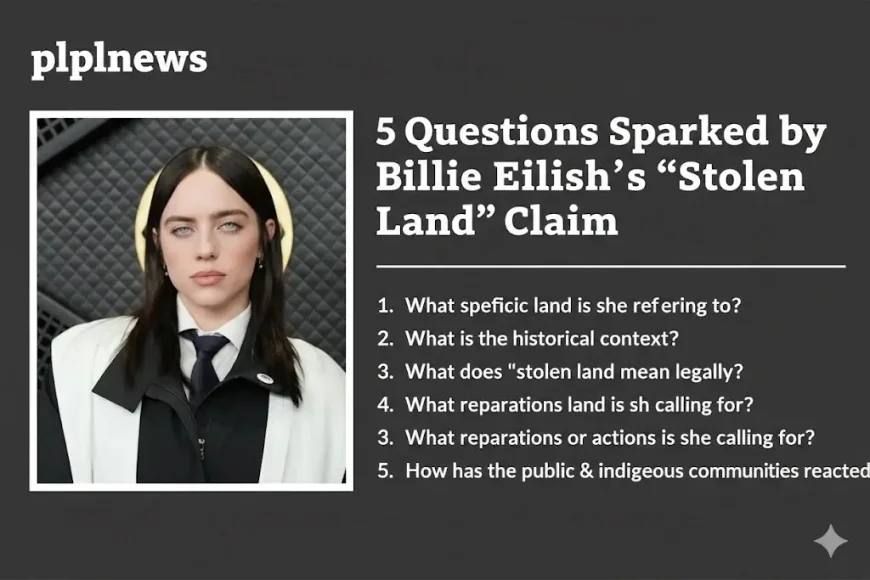
Billie Eilish’s “Stolen Land” Comment Fuels National Debate
Los Angeles — A recent statement by Grammy-winning artist Billie Eilish describing America as “stolen land” has reignited a long-running national conversation about U.S. history, Indigenous tribes, and how the past should be addressed today.
 |
Turn your casino idea into a live platform — start your journey today. |
Eilish’s remark, shared publicly, reflects a viewpoint often associated with land acknowledgment movements, which recognize that much of the United States was built on territory once inhabited by Native American tribes.
The comment has drawn mixed reactions online. Supporters argue that acknowledging Indigenous land is an important step toward recognizing historical injustice. Critics, however, question what such statements practically mean and how far historical responsibility should extend.
Some commentators point to the complex history of tribal displacement, noting that Indigenous groups themselves were often displaced by other tribes long before European settlement. The debate has raised questions about sovereignty, historical timelines, and whether modern policy can—or should—address events that span centuries.

Historians emphasize that North American history involves multiple waves of migration, conflict, and displacement. While European colonization dramatically altered the continent, scholars caution against oversimplifying a deeply complex past.
The discussion has spread across social media, with users debating whether land acknowledgment should remain symbolic or translate into concrete policy changes involving education, preservation, or tribal governance.
As cultural figures continue to weigh in on historical and political issues, experts say the broader challenge remains how to engage with history honestly—without reducing it to slogans or absolutes.
The debate underscores how conversations about America’s past continue to shape its present cultural and political landscape.
Thank you for reading this content.
If you find it helpful, then checkout : https://plplnews.com/washington-wall-street-7-big-us-shocks
Also check out the latest Toyota : https://plplnews.com/toyota-aygo-x-hybrid-2026-city-car-review
What's Your Reaction?
 Like
0
Like
0
 Dislike
0
Dislike
0
 Love
0
Love
0
 Funny
0
Funny
0
 Angry
0
Angry
0
 Sad
0
Sad
0
 Wow
0
Wow
0