



















EU Halts US Trade Deal in Major Blow
The EU has frozen a US trade deal amid rising trade tensions after Trump’s Greenland move, reviving tariff threats and market uncertainty.

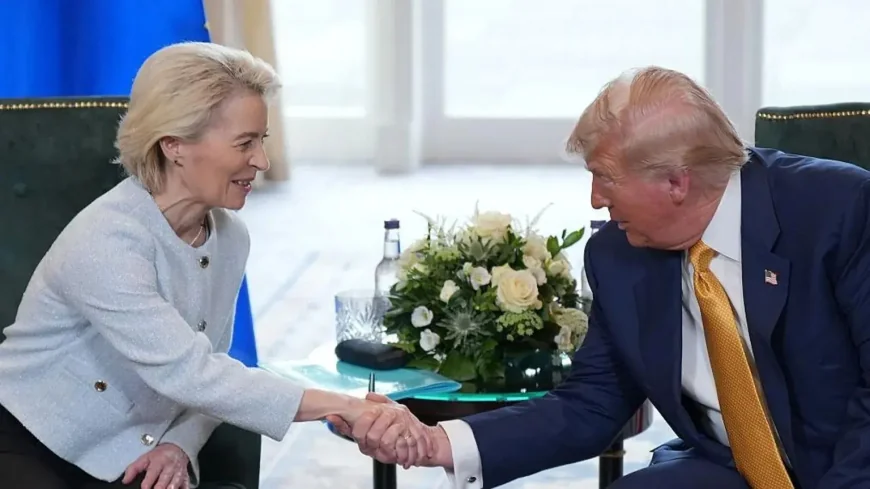
The European Parliament has suspended its approval of a key US trade agreement reached in July. The move comes in response to Donald Trump's demand to acquire Greenland.
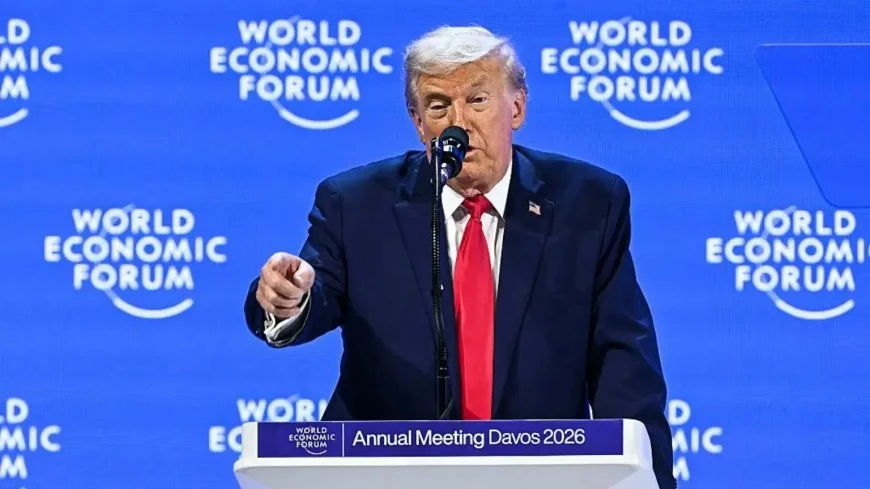
The suspension was announced Wednesday in Strasbourg, France, while the US president was addressing the World Economic Forum in Davos.
The move follows renewed trade tensions between the US and Europe, sparked by Trump's attempt to buy Greenland. This rattled financial markets and revived talk of a trade war and retaliatory measures against the US.
Hours later, Trump said on social media that he had reached a "framework" deal on the future of Greenland and would not follow through on his threat to impose new tariffs on eight NATO members.
Trade tensions between the US and Europe had eased since the deal was struck between the two sides at Trump's Turnberry golf course in Scotland in July.
Under that agreement, US tariffs on most European goods were set at 15%, lower than the 30% initially threatened as part of Trump's "Liberation Day" tariff wave in April. In return, Europe agreed to invest in the US and make changes on the continent that were expected to boost American exports.
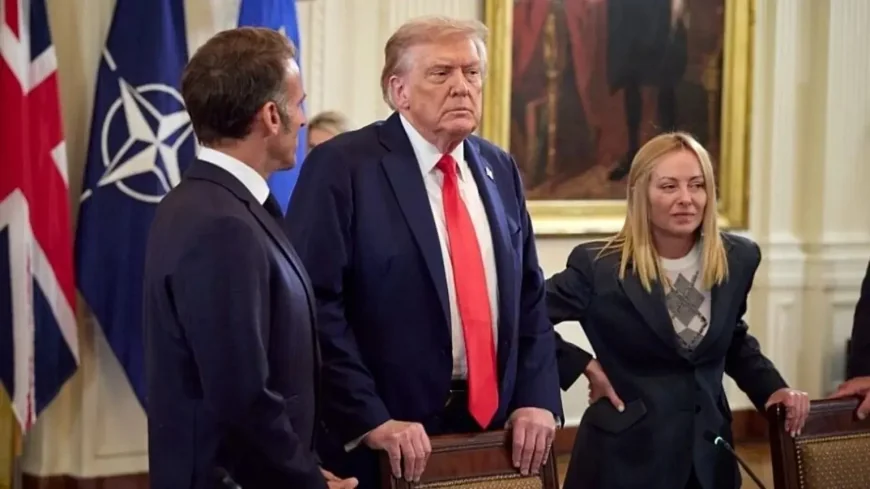
The deal required approval from the European Parliament to become official.
But on Wednesday, days after Trump threatened new US tariffs over Greenland, Bernd Lange, chairman of the European Parliament's International Trade Committee, said there was "no alternative but to halt work on the two legislative proposals from Turnberry."
He said work on the trade plans would remain suspended "until the US decides to return to a path of cooperation rather than confrontation, and before any further steps are taken." This move has revived the possibility that the European Union could impose tariffs on up to €93bn ($109bn, £81bn) worth of US goods, which it announced last year in response to Trump's "Liberation Day" tariffs.
It had suspended those plans while a trade deal was being finalized, but those taxes will now come into effect on February 7th, unless the bloc decides to extend the suspension or approve a new deal.
Speaking before Trump announced the "framework deal" and backed down from the tariff threat, Lange said there would be "no prospect of an agreement" until Trump's threats were withdrawn. He also raised the possibility of using the "anti-coercion instrument," a retaliatory measure dubbed the "trade bazooka," an idea also supported by French President Emmanuel Macron.
In an interview with the after Trump's announcement, Lange declined to say whether this would save the trade deal, saying it would take "some time" to understand the implications.
Software Services
 |
Turn your casino idea into a live platform — start your journey today |
"We will have to see what this so-called solution means," he said.
In Brussels, Trump's climbdown seemed inevitable. When asked a well-placed EU source about President Trump not imposing the tariffs, the response was simply an eye-rolling emoji.
Over the past year, financial markets have largely shrugged off concerns about the impact of the US president's policy announcements, comforted by the TACO (Trump Always Chickens Out) effect.
This sense that threats won't be followed through on appears to have spread to some power centers as well. In his Davos speech, Trump reiterated the US interest in acquiring Greenland from Denmark but said, “I don’t have to use force, I don’t want to use force, I won’t use force.”
He called for “immediate negotiations” with the country on how the US could acquire the island, which he has argued is crucial for US and global security, and a few hours later announced a “framework” for a future deal.
Trump’s speech helped calm financial markets on both sides of the Atlantic, which had fallen in previous days.
US stocks rose further after the deal was announced, with the Dow Jones, S&P 500, and Nasdaq all climbing more than 1% in Wednesday afternoon trading, while the FTSE 100 closed slightly higher.
The price of gold continued to rise, reaching above $4,842 (£3,604) per ounce for the first time. Silver remained slightly below Monday’s record high of $95 per ounce, trading at around $94.
Precious metals are considered safe-haven assets to hold during times of uncertainty, and both gold and silver prices have surged over the past year. According to European figures, the US and the 27-nation European Union are each other’s largest trading partners, exchanging more than €1.6tn ($1.9tn, £1.4tn) worth of goods and services in 2024. This represents almost a third of total world trade.
When Trump began announcing tariffs last year, many political leaders, including those in Europe, threatened retaliation.
But, ultimately, many opted for negotiation instead.
Only China and Canada followed through on their threats to impose tariffs on US goods, but Canada quietly reversed most of these measures in September, citing concerns about the impact on its own economy.
Thank you for reading this content.
What's Your Reaction?
 Like
0
Like
0
 Dislike
0
Dislike
0
 Love
0
Love
0
 Funny
0
Funny
0
 Angry
0
Angry
0
 Sad
0
Sad
0
 Wow
0
Wow
0