
























UK Plans Bold Legal Strike Against Shadow Fleet Tankers
UK ministers say new legal powers could let the military detain sanction-busting shadow fleet tankers, tightening action against illicit oil shipping on the high seas.

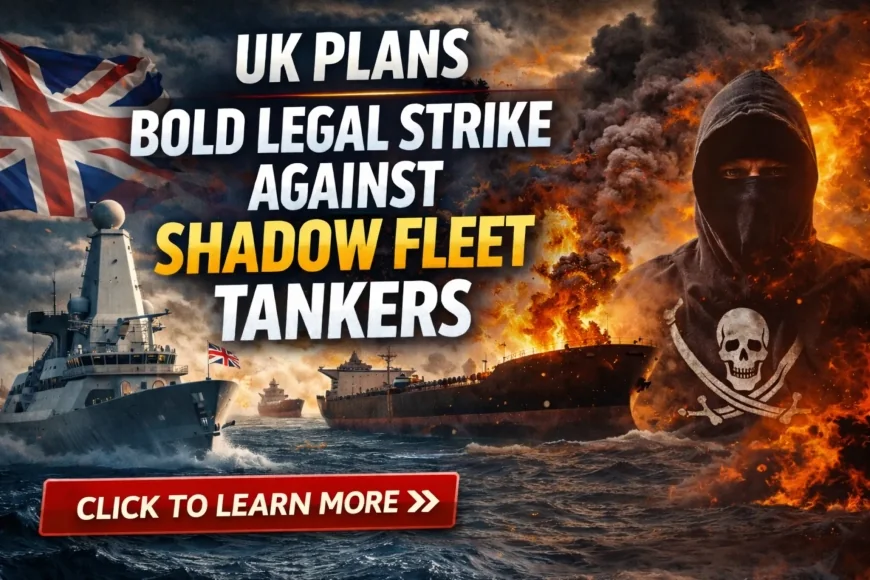
The government has identified a legal basis that it believes can be used to allow British forces to board and detain vessels in the so-called shadow fleet.
Russia, Iran, and Venezuela have been accused of operating ships without valid national flags to circumvent oil sanctions.
Last week, British armed forces assisted US troops in seizing the Maranara oil tanker, which US authorities alleged was carrying oil for Venezuela, Russia, and Iran, and violating US sanctions.
So far, no British military personnel have boarded any vessels, but officials have spent the past few weeks exploring what measures could be used.
Ministers believe that the Sanctions and Anti-Money Laundering Act of 2018 can be used to authorize the use of military force.
It is understood that the armed forces plan to use these powers, in what is being described within government as an escalation of action against the vessels.

It is not precisely known when the first British military action might take place.
According to reports, two oil tankers subject to US sanctions were spotted on Thursday heading east through the English Channel towards Russia.
Britain has already sanctioned more than 500 alleged shadow vessels, which it believes are helping to finance hostile activities, including Russia's invasion of Ukraine.
Ministers say that action taken by Britain and its allies has taken around 200 vessels out of service, most of which would have been operating without valid flags.
Ship flagging is the process used to register a vessel in a particular country, which then allows it to travel in international waters and provides it with certain protections under the law. The government believes the new legal mechanism it has identified can be applied to any sanctioned vessel that is not legitimately flagged.
Software Services
 |
All-in-one casino solution ready to launch — talk to our experts now |
Officials say this would include the Maranara tanker, which was seized last week.
The Maranara, a Venezuelan-linked vessel previously known as the Bella 1, was intercepted by the US Coast Guard while transiting the North Atlantic Ocean between Iceland and Scotland.
The Ministry of Defence said the US had requested assistance from the UK, and an RAF surveillance aircraft and a Royal Navy support ship, RFA Tideforce, were involved in the operation.
Defence Secretary John Healey said the action was taken “in full compliance with international law,” and added that the UK “will not stand idly by as malign activity increases on the high seas.” Healey told MPs on Wednesday that the government was “stepping up action against the shadow fleet, developing further military options and strengthening coordination with allies.”
Identifying this legal avenue is understood to be one of the further military options Healey was referring to.
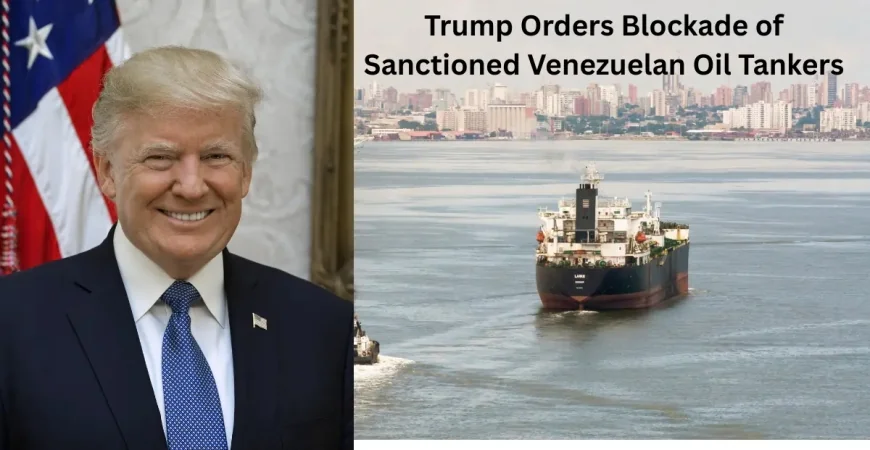
The US has stepped up action against shadow fleet vessels, seizing five tankers in recent weeks.
A Ministry of Defence spokesperson said: “The Defence Secretary set out to Parliament this week that disrupting, deterring and degrading the Russian shadow fleet is a priority for this government.”
They added: “We will not comment on specific operational planning.”
Transport Secretary Heidi Alexander said on Sunday that the number of insurance checks was being increased, with more than 600 vessels stopped while passing near the British Isles.
Vessels that are not legally flagged typically lack insurance, which experts have warned could create a crisis if they are involved in an incident, such as a costly oil spill. But Alexander said it would not be accurate to say how many of the alleged "shadow ships" are known to have operated in UK waters.
Thank you for reading this content.
Thank you for reading this content.
What's Your Reaction?
 Like
0
Like
0
 Dislike
0
Dislike
0
 Love
0
Love
0
 Funny
0
Funny
0
 Angry
0
Angry
0
 Sad
0
Sad
0
 Wow
0
Wow
0