










UK Snubs Trump’s ‘Board of Peace’ Over Putin Red Flag
The UK delays joining Trump’s Board of Peace, citing Putin concerns and treaty risks. Officials warn the plan could reshape global diplomacy.

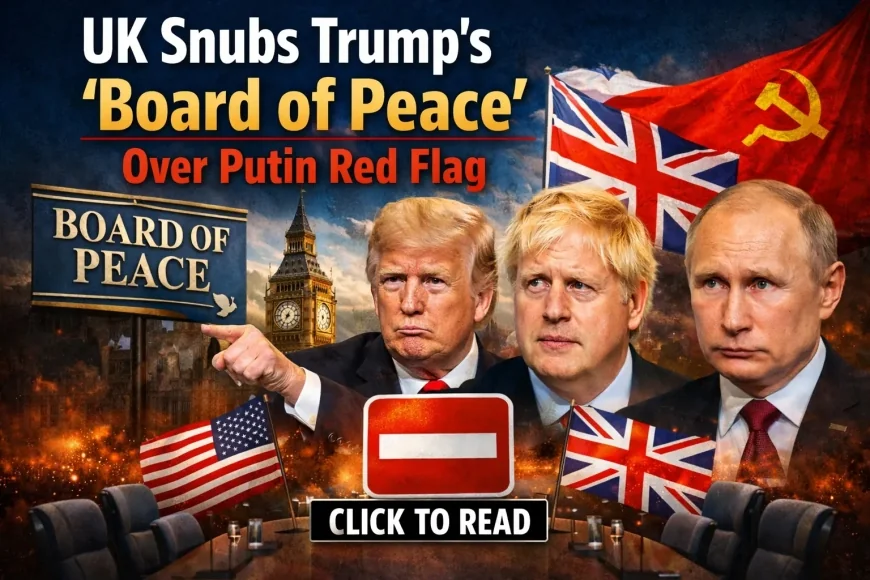
Foreign Secretary Yvette Cooper has said the UK will not yet join US President Donald Trump's Board of Peace due to concerns about the potential involvement of Russian leader Vladimir Putin.
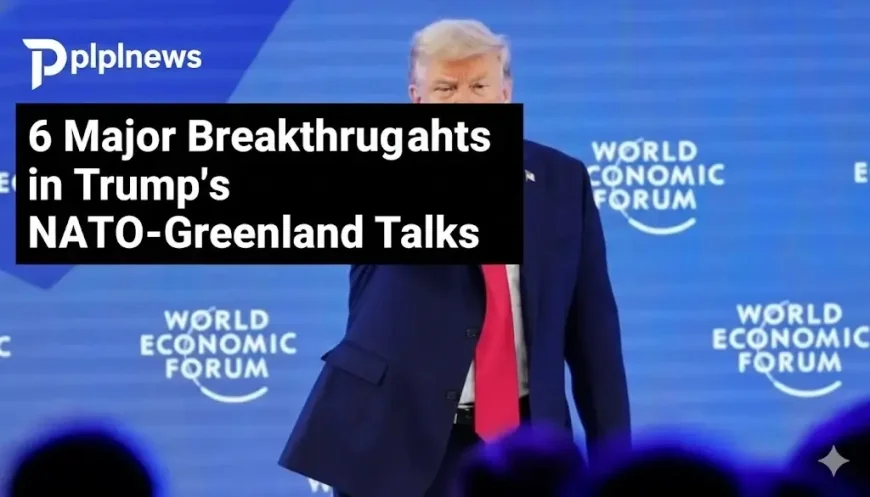
Cooper said the UK had been invited to join the board but would "not be one of the signatories today" at a ceremony at the World Economic Forum in Davos.
The board, which gives Trump broad decision-making powers as chairman, is being presented by the US as a new international organization for resolving conflicts.
Cooper described the board as a "legal treaty that raises much broader issues than the initial focus on an initiative to end the Israel-Hamas war in Gaza."
The charter proposed by the White House does not mention the Palestinian territories, and critics say the board appears designed to supplant some of the functions of the United Nations.
Read Also
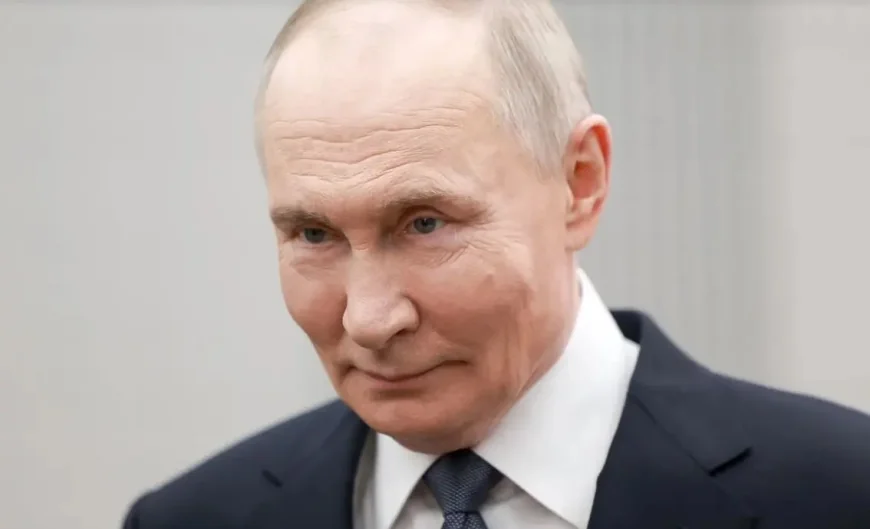
Some of America's traditional allies have not agreed to join the board, and notably, none of the other permanent members of the UN Security Council – China, France, Russia, and the UK – have yet committed to participating.
Since the end of World War II, the UN Security Council has been the primary international forum for global diplomacy and conflict resolution.
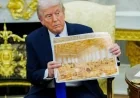
But launching the board at a signing ceremony with world leaders in Davos, Trump said he did not intend to use it as an alternative to the UN and expressed confidence that it would help bring "lasting" peace to the Middle East.
Trump said the board had the potential to become "one of the most important bodies ever created."
"We are committed to ensuring that Gaza is demilitarized, properly governed, and beautifully rebuilt," Trump said. "This is going to be a fantastic plan, and that's where the Board of Peace came from."
Trump said that once the board was fully established, "we can do almost anything we want."
He added, "But we will do it in conjunction with the United Nations." Nineteen leaders and representatives from countries including Argentina, Hungary, Morocco, Saudi Arabia, and Turkey joined President Trump at the Board of Peace signing ceremony.
Software Services
 |
Turn your casino idea into a live platform — start your journey today |
President Trump also stated that Putin had accepted the invitation to participate in the initiative.
However, the Russian president has not confirmed this and had previously said that his country was still studying the invitation. According to the Russian state news agency TASS, Putin said that the idea of using frozen Russian assets in the US as a contribution to the board would be discussed later on Thursday in a meeting with representatives of the Trump administration.
Cooper said that the UK had received an invitation to join the board and strongly supports Trump's 20-point plan to end the war in Gaza.
"That's why we also want to make it clear that we want to play our part in the second phase of the Gaza peace process," Cooper said. But he added: "We won't be one of the signatories today because this is a legal treaty that raises very significant issues.
"And we are also concerned that President Putin is becoming part of something that is talking about peace, when we have yet to see any indication from Putin that there will be any commitment to peace in Ukraine."
He said Putin had "shown no willingness to come and do that deal and that's where the pressure needs to be applied now."
Read Also
The Foreign Secretary said: "But we will continue to have ongoing international discussions with our allies."
Diplomatic relations between the US and the UK had been further strained when Trump threatened to impose tariffs on European countries if his demand for control of Greenland was not met.
But Trump appeared to back down, saying the US was considering a potential deal on Greenland after talks with the NATO security alliance, as he scrapped tariffs he had threatened to impose on eight European countries and ruled out using force to seize the island.
Cooper welcomed this apparent softening on Greenland and said Britain and its European allies had put forward "positive, constructive proposals" on security in the Arctic.
But when asked about the Board of Peace, Cooper echoed other British cabinet ministers who have expressed concerns in recent days about Putin's potential role in the scheme given Russia's ongoing invasion of Ukraine.
Britain has been one of Ukraine's strongest allies and, along with France, has signed a declaration of intent to deploy troops to the country if a peace agreement is reached with Russia.
Trump's Board of Peace was originally unveiled by the White House as part of a plan to rebuild Gaza and design its future governance.
But a leaked text of the board's founding charter goes far beyond that purpose.
The text states that the board "will be an international organization that will promote stability in conflict-affected or threatened regions, restore credible and legitimate governance, and..." It will try to ensure lasting peace."
Leaked documents state that the Board of Peace charter will come into effect when three countries formally agree to be bound by it, member states will be given renewable three-year terms, and those contributing $1 billion (£740 million) will receive permanent seats.
The charter declares the institution an international organization empowered under international law to conduct peace-building activities, with Trump serving as chairman – and separately as the US representative – and having the authority to appoint members of the executive board and create or dissolve subsidiary bodies.
Last Friday, the White House named seven members of the founding executive board, including US Secretary of State Mike Pompeo, Middle East envoy Steve Witkoff, Trump's son-in-law Jared Kushner, and former British Prime Minister Tony Blair.
Several other countries have now expressed interest in joining, including Pakistan, Egypt, and Qatar.
The Vatican has said that the Pope has also received an invitation.
Thank you for reading this content.
Thank you for reading this content.
What's Your Reaction?
 Like
0
Like
0
 Dislike
0
Dislike
0
 Love
0
Love
0
 Funny
0
Funny
0
 Angry
0
Angry
0
 Sad
0
Sad
0
 Wow
0
Wow
0