























“Why Americans Are Closely Watching What Congress Does Next”
Americans are closely watching Congress due to healthcare, budgets, and elections, as key decisions will directly impact their lives and future security.

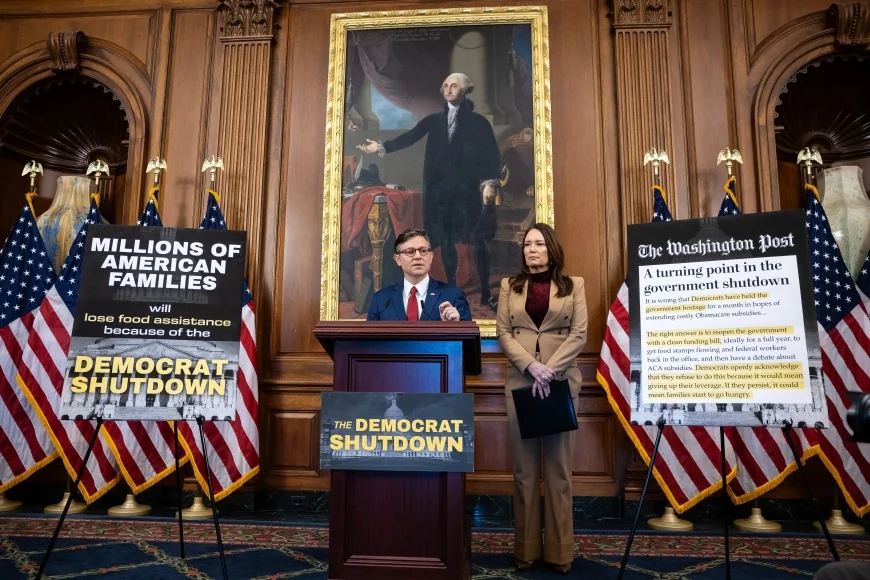
Washington — Across the United States, ordinary Americans are paying more attention to the workings of Congress than ever before. With ongoing national debates about healthcare, government spending, national security, and economic stability, citizens from coast to coast are watching what the legislature will do next — and why it matters to their lives.
In recent weeks, Congress has been under intense scrutiny. Lawmakers are grappling with major decisions that could affect everything from the cost of living and access to healthcare to national security and international relations. For many Americans, what happens in Congress no longer feels distant or theoretical — it feels personal.
Growing Public Concern
One of the biggest reasons Americans are so engaged right now is their concern for their everyday well-being.
Surveys show that millions are worried about rising healthcare costs and uncertainty surrounding insurance coverage. Many had hoped Congress would take steps to stabilize markets and expand key subsidies, but divisions within the legislature have slowed progress. For families already struggling with high medical bills, every delay or setback feels like a direct threat to their financial security and peace of mind.
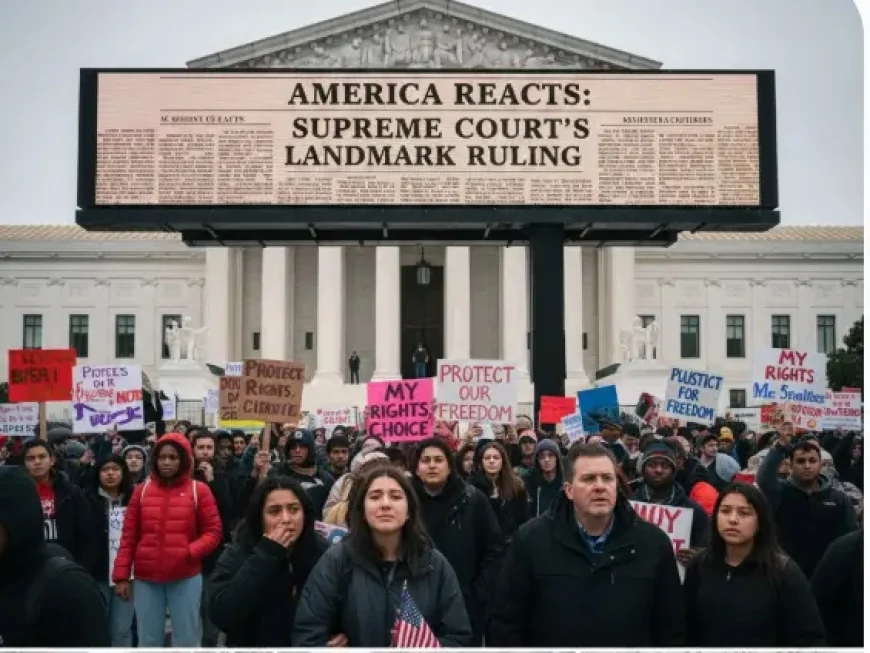
“As someone who pays for health insurance for my entire family, I’m watching Congress because I need to know if my premiums and benefits are secure,” said Sarah Martinez, a resident of Chicago. “This isn’t politics anymore — this is my life.”
Budget Battles and Economic Anxiety
Another reason Americans are keeping a close eye on Congress is the ongoing debate over federal spending and the nation’s budget. Lawmakers recently debated — and narrowly approved — budget measures that affect government funding for dozens of programs.
If Congress fails to agree on key spending bills, parts of the federal government could shut down — something that has happened several times in recent decades, often with serious consequences for government employees and recipients of government services. Economists and business leaders have warned that prolonged uncertainty could slow economic growth, erode consumer confidence, and even impact job markets. Many voters are aware of these risks and are watching closely to see if Congress can reach a consensus.
Power Struggles Within Congress
Congress is also under scrutiny due to ongoing internal divisions among American lawmakers. The House of Representatives and the Senate, as well as members of both major parties, have frequently disagreed on how to approach key legislation. From immigration policy to climate programs, members of Congress are divided—and their disagreements play out not only in Washington but also in public town halls, on television, and across social media platforms.
Software Services
 |
Launch your own casino platform today — get started now |
Some Americans view these clashes as evidence of a healthy democratic process, while others worry that partisan infighting will prevent Congress from acting when it is needed most.
Elections and the Political Climate
Looking ahead, many Americans are watching Congress because its decisions could shape future elections. With midterm elections approaching, voters see how lawmakers behave today as a preview of tomorrow's political climate.
Local elections and specific races—such as the recent contests for vacant House seats—have already garnered national attention. Political analysts say these races may be early indicators of voter sentiment, putting pressure on Congress to take decisive action.
“It’s a feedback loop,” said political strategist Alan Brooks. “Elections influence how Congress operates, and Congress’s actions influence voter perceptions. Right now, Americans on both sides are trying to see who is listening to them.”
The Role of Social Media and Public Debate
The actions of Congress are no longer discussed solely among lawmakers or in newspaper editorials. Social media platforms have become a primary forum for debate and mobilization.
Hashtags and online campaigns related to healthcare, government spending, climate policy, and civil liberties frequently trend, and ordinary citizens are using these platforms to express their views and pressure lawmakers. This unprecedented level of public engagement has made the actions of Congress more transparent—and more relevant—in the eyes of many Americans.
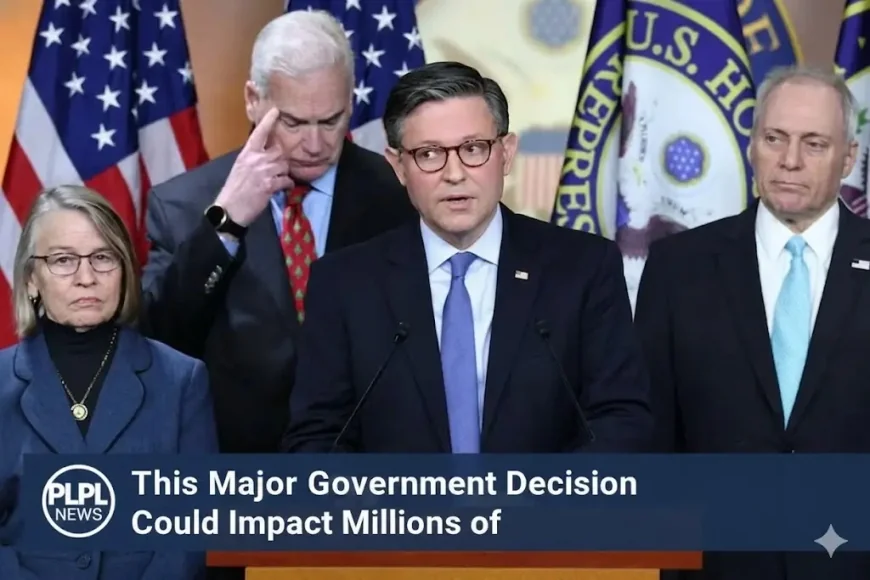
“I used to ignore politics,” said Jamal Wright, a college student in Atlanta. “But now I’m on Twitter and TikTok every day trying to understand what Congress is doing because it affects my future.”
Why This Matters to Every American
For many people across America, Congress is no longer a distant institution in Washington – it's a force shaping their economic stability, personal freedoms, and future.
Whether it's the cost of healthcare and insurance coverage, government funding and economic policy, or partisan infighting and its impact on elections, Americans feel the effects of Congress's decisions in very real ways.
As one voter in Texas put it, “We’re watching because what Congress does next could change everything – our jobs, our families, our security, and how we live our daily lives.”
And for now, the country is waiting, watching, and hoping that lawmakers in Washington will act swiftly, cohesively, and with the best interests of the public in mind.
Thank you for reading this content.
What's Your Reaction?
 Like
0
Like
0
 Dislike
0
Dislike
0
 Love
0
Love
0
 Funny
0
Funny
0
 Angry
0
Angry
0
 Sad
0
Sad
0
 Wow
0
Wow
0