
































AI Chip Shortage Could Push Smartphone Prices Up by 7%
AI chip shortages and rising memory prices could push smartphone prices up 7% in 2026, hurting shipments and intensifying the global semiconductor supply crunch.

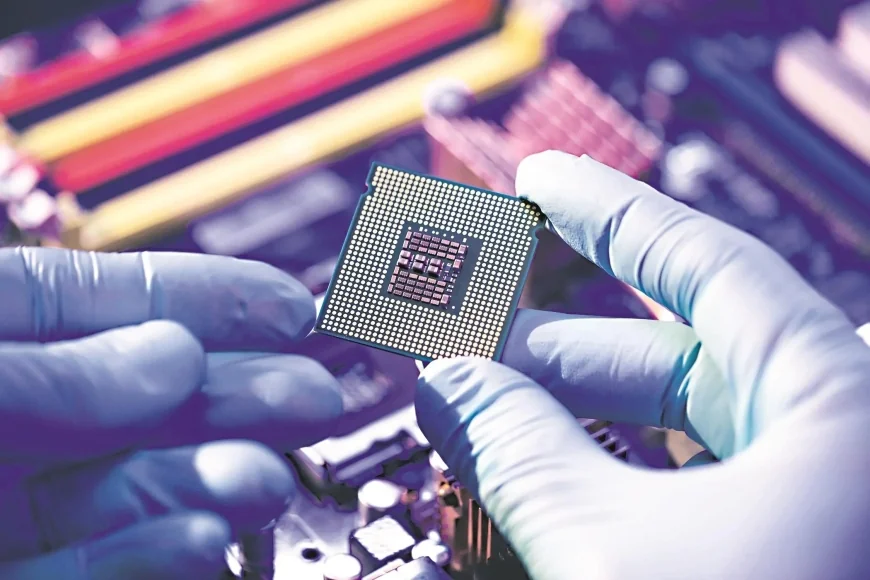
Counterpoint Research said in a note on Tuesday that a shortage of memory chips, driven by artificial intelligence players, is likely to lead to higher smartphone prices and a decline in shipments in 2026.
According to Counterpoint, smartphone shipments could decline by 2.1% in 2026, compared to a previous forecast of flat to positive growth.
Shipments are not the same as sales, but they are a measure of demand as they track the number of devices sent to sales channels such as stores.
Meanwhile, Counterpoint said the average selling price of smartphones could increase by 6.9% year-on-year in 2026, compared to a previous estimate of a 3.6% increase.

This is due to a shortage of specific chips and disruptions in the semiconductor supply chain, which are driving up component prices.
The continuous expansion of data centers worldwide has increased demand for systems developed by Nvidia, which in turn uses components designed by SK Hynix and Samsung – two of the largest suppliers of so-called memory chips.
However, a specific component called dynamic random-access memory, or DRAM, which is used in AI data centers, is also crucial for smartphones. DRAM prices have increased this year as demand outstrips supply.
For low-end smartphones priced under $200, the bill of materials cost has increased by 20% to 30% since the beginning of the year, Counterpoint said. The bill of materials is the cost of manufacturing a single smartphone.
Software Services
 |
Turn your casino idea into a live platform — start your journey today |
The mid- and high-end smartphone segments have seen a 10% to 15% increase in materials costs.
"Memory prices could increase by another 40% by Q2 2026, resulting in BoM costs increasing by a further 8% to 15% from current elevated levels," Counterpoint said. The rising cost of components can be passed on to consumers, leading to an increase in the average selling price.
"Apple and Samsung are best positioned to weather the next few quarters," Counterpoint Research Director MS Hwang said in a note. "But it will be difficult for others who don't have much room to manage market share versus profit margins." Hwang added that this will especially be true for Chinese smartphone manufacturers operating in the mid-to-lower end of the market.
Counterpoint said that some companies might downgrade components such as camera modules, displays, and even audio, as well as reuse older components. Smartphone manufacturers may also try to incentivize customers to buy their higher-priced devices.
Thank you for reading this content.
What's Your Reaction?
 Like
0
Like
0
 Dislike
0
Dislike
0
 Love
0
Love
0
 Funny
0
Funny
0
 Angry
0
Angry
0
 Sad
0
Sad
0
 Wow
0
Wow
0