






















Breaking: US and Iran to Hold Nuclear Talks in Oman on Friday
US and Iran resume nuclear talks in Oman as tensions rise. Trump’s warning, sanctions relief, and ballistic missile concerns shape high-stakes diplomacy.

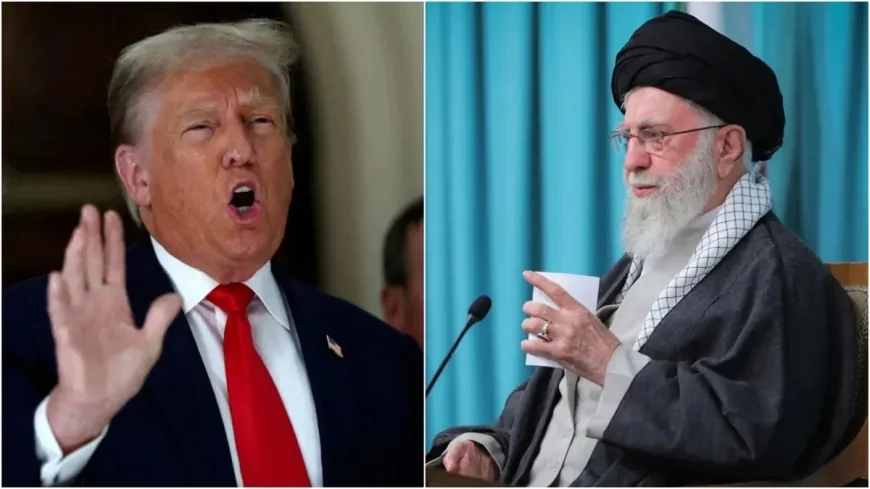
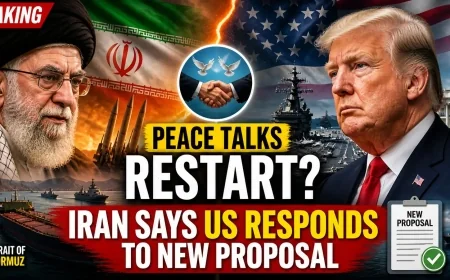
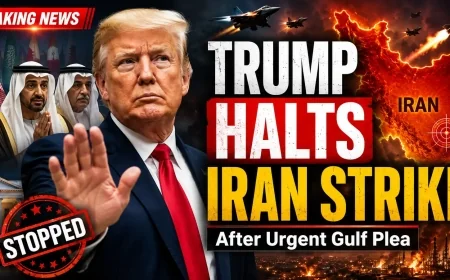
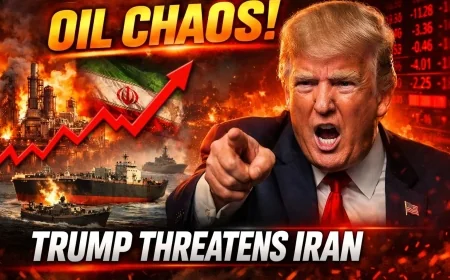
The US and Iran have agreed to hold nuclear talks in Oman on Friday, even as President Donald Trump issued a stern warning to Supreme Leader Ayatollah Ali Khamenei.
Iranian Foreign Minister Abbas Araghchi said the meeting would begin at 10:00 AM (06:00 GMT) in Muscat. US officials also confirmed the location.
The talks had appeared to be in jeopardy after the two countries disagreed on the venue and terms.
Trump has increased the US military presence in the region and threatened military action if Iran does not reach a deal on its nuclear program and stop killing protesters. When asked if Khamenei should be worried, he said: "I think he should be very worried."
Khamenei warned the US on Sunday that any attack on Iran would trigger a "regional war."
Read Also
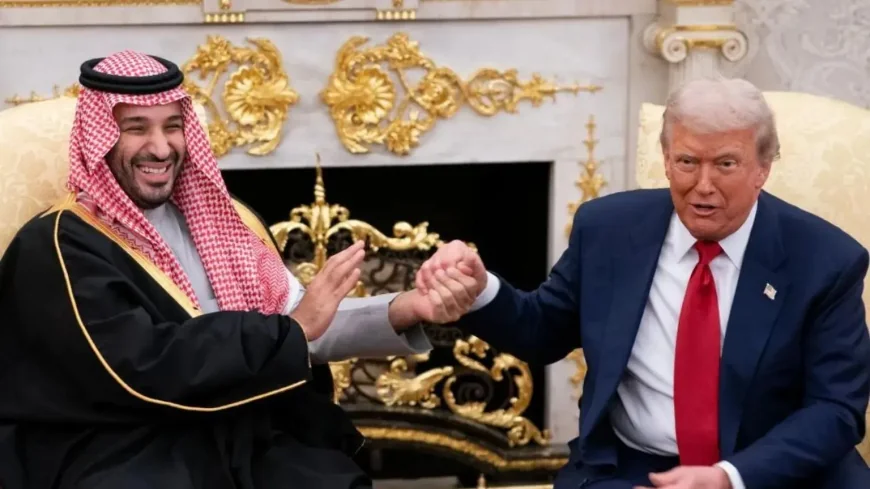
An Arab diplomat told the BBC's US partner that talks between Tehran and Washington had never been officially canceled, but were on and off throughout Wednesday morning.
Three US officials also confirmed the accuracy of an Axios report that said the talks resumed in the afternoon after several Arab and Muslim leaders urged the Trump administration not to follow through on its threats.
Axios said the administration agreed to the request to "respect" its allies, but was "very skeptical" about the chances of success.
US Secretary of State Mike Pompeo had earlier told a press conference that special envoy Steve Witkoff was preparing to meet with Iranian officials in Turkey, along with representatives from other regional powers, when he received "conflicting reports" about Iran's participation.
Pompeo also stressed that for the talks to yield "any meaningful results," they could not focus solely on the Iranian nuclear program, as Iranian officials had demanded. He said, "They're going to have to include certain things, and that includes their ballistic missile range, that includes their support for terrorist organizations throughout the region, that includes their nuclear program, and that includes their treatment of their own people."
Software Services

On Sunday, his Iranian counterpart was asked in an interview whether Iran was prepared to discuss alleged US demands that it halt its ballistic missile development and cease supporting proxy militias, as well as stop producing enriched uranium, which is used to make reactor fuel but could potentially also be used for nuclear weapons. Araghchi replied, "President Trump said, 'No nuclear weapons,' and we completely agree with that. This could be a very good deal. Of course, in return, we expect the sanctions to be lifted. So that deal is possible. Let's not talk about impossible things."
Iran has insisted that its nuclear program is entirely peaceful and has denied that it is trying to build nuclear weapons.
However, Trump had said in the NBC interview that Iran "was going to have a nuclear weapon within a month" before he ordered US air and missile strikes on three key Iranian nuclear sites during a 12-day war between Israel and Iran last June.
The Israeli military also targeted Iranian nuclear sites and nuclear scientists during the war, as well as its military commanders and missile stockpiles.
Trump said the strikes had "wiped out" Iran's uranium enrichment capabilities, but that Iranian officials were "thinking about starting a new site in a different part of the country."
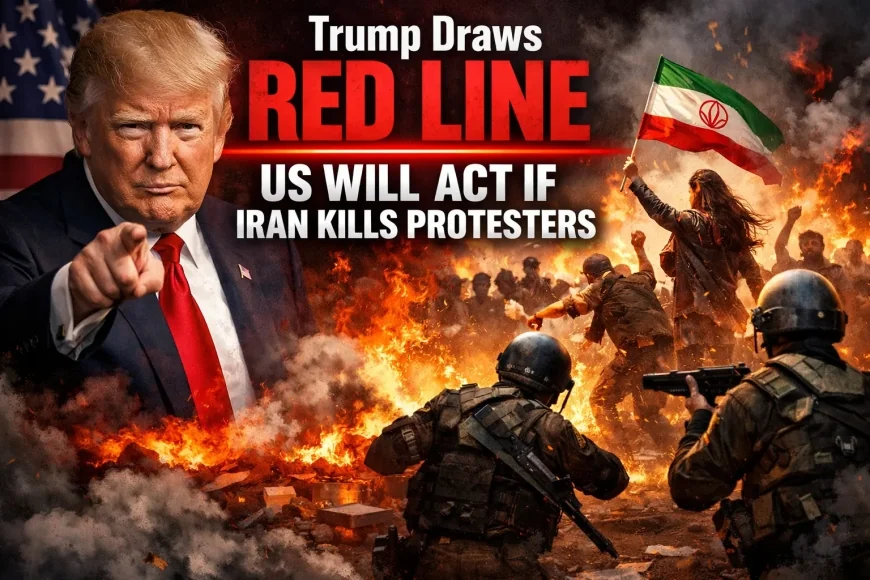
"We found out about it. I said, 'If you do that, we're going to do... very bad things to you.'"
Trump also told Iranian protesters that "we are with them," following a brutal crackdown by Iranian security forces on anti-government unrest last month. These protests began out of anger over the fall of the Iranian currency and rising inflation, but they quickly morphed into demands for political change.
The full scale of the bloodshed resulting from the crackdown is still unknown due to the internet blackout imposed by the government since the situation escalated on January 8.
However, the US-based Human Rights Activists News Agency (HRANA) has said it has confirmed the deaths of 6,445 protesters, 164 children, 214 people affiliated with the government, and 60 bystanders. It is also investigating reports of 11,280 other deaths.
Iranian authorities have acknowledged that at least 3,117 people were killed, but said that most of them were members of the security forces or bystanders killed by "rioters."
Khamenei described the unrest as a "rebellion" orchestrated by the United States and Israel.
Thank you for reading this content.
Thank you for reading this content.
What's Your Reaction?
 Like
0
Like
0
 Dislike
0
Dislike
0
 Love
0
Love
0
 Funny
0
Funny
0
 Angry
0
Angry
0
 Sad
0
Sad
0
 Wow
0
Wow
0