































Hegseth Warns: ‘Most Intense’ Day Yet in US War on Iran
US war on Iran escalates as the Iran missile attacks campaign intensifies. 1,230 dead, Tehran in darkness, and oil fears rise near the Strait of Hormuz.


US Defense Secretary Pete Hegseth warned that Tuesday would be the "most intense" day of attacks inside Iran, saying the country "stands alone, and they are losing badly."
He also said that in the past 24 hours, Iran has fired the fewest number of missiles since the war began.
On the ground, Iranians in Tehran described how they were left "in complete darkness" after heavy attacks overnight.
Meanwhile, Ali Larijani, a top Iranian security official, said his country is not afraid of US President Donald Trump's "useless threats."
During an update on the US Defense Department's operation in Iran on Tuesday morning, Hegseth said US objectives include destroying Iran's missile stockpile, its missile launchers, and its defense industrial base; destroying Iran's navy; and permanently denying the country nuclear weapons.
Chairman of the Joint Chiefs of Staff, General Dan Kaine, stated during a press conference that Iranian ballistic missile attacks are steadily decreasing.
Read Also
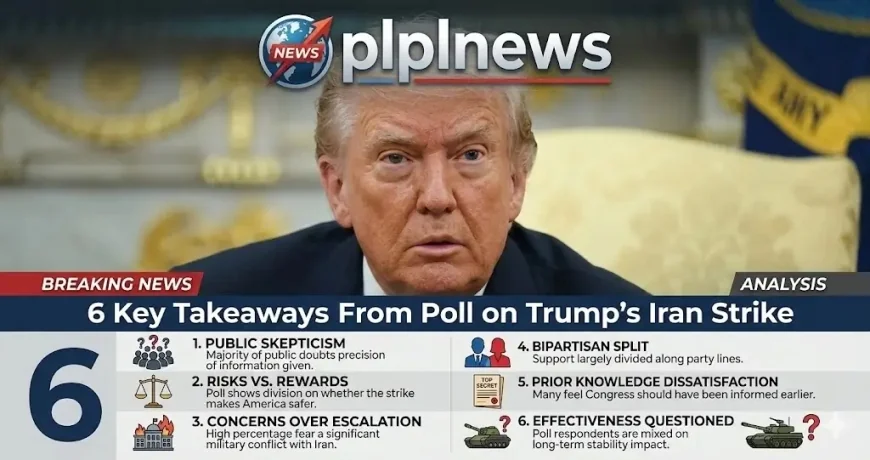
He said, "They've progressed 90% from where they started, and one-way attack drones have decreased by 83% since the operation began."
Hegseth did not provide a timeline for the end of the fighting, telling reporters that "our will never end," but that it depends on the president how long it lasts.
He also said that it won't be like before, when the US was involved in long-running conflicts in the Middle East.
"This isn't 2003," he said. "This isn't the never-ending nation-building in those swamps seen under Bush or Obama. It's not even close. Our generation of soldiers won't allow that to happen again, and neither will this president, who clearly fought against those never-ending, murky missions."
On Tuesday, the Pentagon said that approximately 140 US service members have been injured since the Iran war began on February 28.
It stated that "most of these injuries are minor," and that 108 service members have already returned to duty, while eight others were seriously injured.
Software Services

Seven US service members have died.
Meanwhile, the International Energy Agency held a second meeting with G7 countries on Tuesday to discuss options for stabilizing the global oil market, including removing millions of barrels of crude oil from countries' stocks.
White House Press Secretary Caroline Levitt said on Tuesday that the US military is discussing plans to ensure that the Strait of Hormuz remains open for oil tankers.
In recent days, oil prices have risen worldwide due to concerns about oil passing through the main shipping lane.Iranian officials have vowed to retaliate in response to this campaign.
Read Also

Trump said on Truth Social on Monday that Iran would suffer significant losses if it obstructed oil shipments through the Strait of Hormuz. Senior Iranian security official Larijani responded, calling Trump's threats "useless" and saying, "Even those greater than you cannot destroy the Iranian nation."
He concluded, "Be careful, you don't get destroyed."
Trump also warned Iran on Tuesday about any possible use of mines near the Strait of Hormuz, saying there would be serious military consequences, though he said the US had no reports of such an incident.
He also said the US had "attacked and completely destroyed 10 inactive mine-laying boats and/or ships," without providing further details.
On the ground in Iran, people are trying to escape the barrage of US-Israeli attacks. According to the humanitarian organization Iranian Red Crescent, at least 1,230 people have been killed across the country since the fighting began.
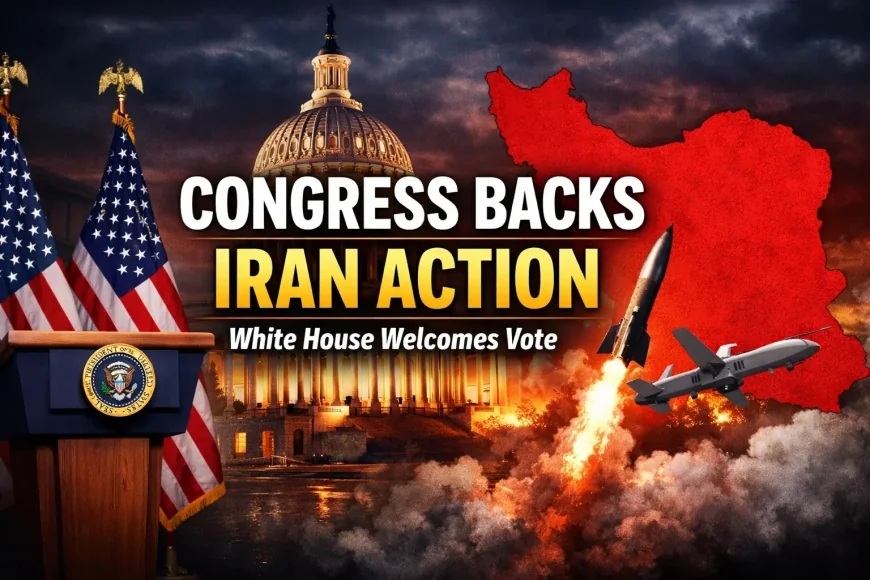
"Last night I was in complete darkness," said a 30-year-old man from Tehran, while others reported brief blackouts or power fluctuations.
A 20-year-old man in the capital said, "I feel very bad. They attacked a street near us today. I just want to sleep tonight." Amir, whose name has been changed to protect his identity, spoke to BBC Persian from Tehran on Monday, where he said the bombing was "so loud it could be heard throughout the city."
He added, "We feel very upset, restless, and tired, and no thought of the future looms over us."
Across the Iranian border in eastern Turkey, those who fled spoke of the fear of the unknown size and scope of the missile attacks.
He said that in the early days of the war "attacks were rare, now they come in waves".
Thank you for reading this content.
What's Your Reaction?
 Like
0
Like
0
 Dislike
0
Dislike
0
 Love
0
Love
0
 Funny
0
Funny
0
 Angry
0
Angry
0
 Sad
0
Sad
0
 Wow
0
Wow
0