

























Historic Nuclear Pact Resets India–Canada Ties
India and Canada sign a 10-year nuclear energy deal, boosting uranium supply and trade ties as both nations reset strained diplomatic relations.

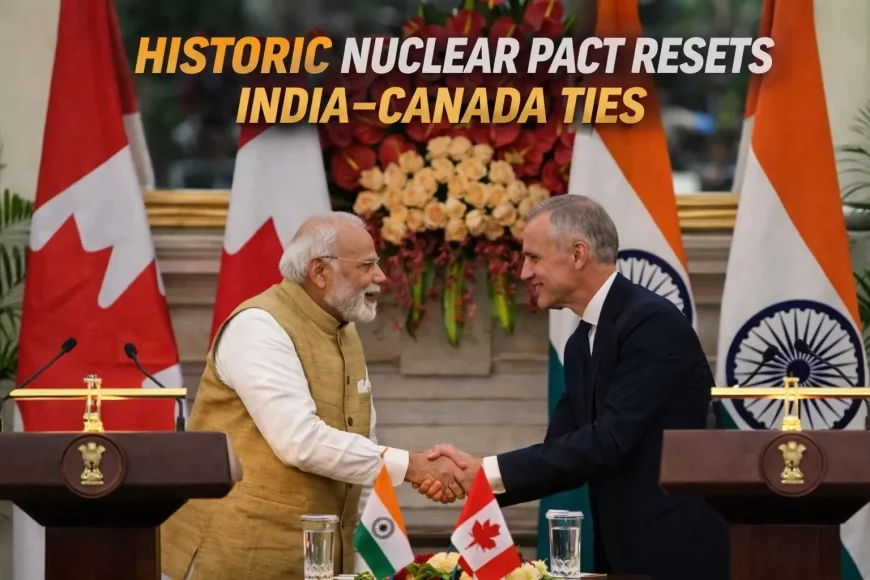
India and Canada have announced several agreements, including a 10-year nuclear energy deal. This agreement came after their prime ministers met in Delhi to repair relations strained by diplomatic tensions.
Narendra Modi and Mark Carney also signed agreements in areas such as technology, essential minerals, space, defense, and education.
Carney said they agreed to conclude a free trade deal by the end of 2026, a deal that has been in the making for years. Both countries want to avoid punitive US trade tariffs.
Under Carney, both governments are trying to repair relations that were strained after their predecessors accused Delhi of involvement in the 2023 murder of Sikh separatist Hardeep Singh Nijjar on Canadian soil.
India strongly rejected Justin Trudeau's accusation.
Trade and diplomatic relations virtually came to a halt, with both sides expelling each other's diplomats and canceling visa services. Canada has a large Indian expatriate community.
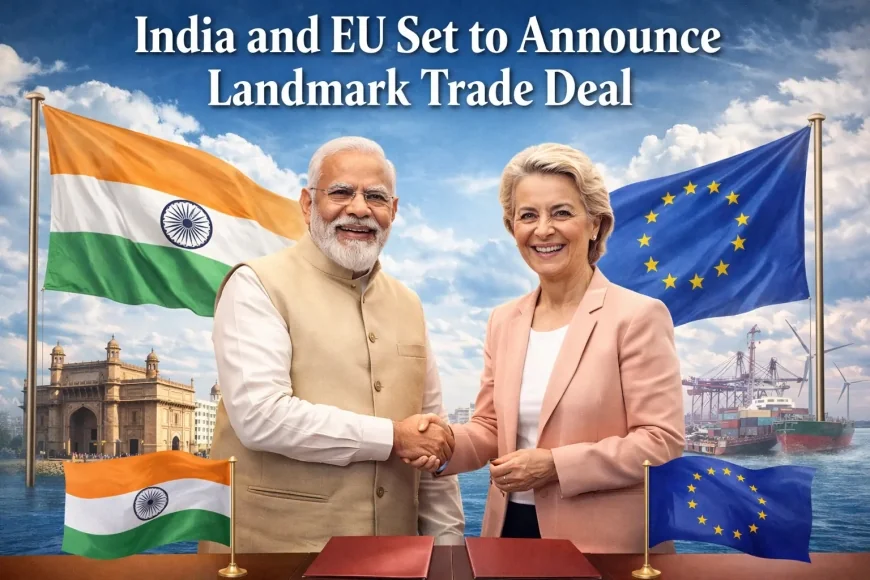
But since Carney took office last year, relations have been carefully rebuilt—helped by the fact that his government has stated that it believes India has no involvement in violent crimes or threats on Canadian soil.
However, some in Canada have disputed this claim, including a Liberal MP from Carney's own party and members of the Sikh diaspora in Canada, who say they believe India continues to target them.
Late last year, Canada's intelligence agency listed India, along with Russia, China, and Iran, as one of the countries involved in espionage and foreign interference in the country.
In a statement on Monday, the Canadian Security Intelligence Service said its "threat assessment of the main perpetrators of foreign interference and espionage against Canada has not changed."
Canadian Foreign Minister Anita Anand distanced herself from comments by a senior Canadian official that India had ceased all foreign interference in Canada. "The senior official's words are not words I would personally use," she told reporters in Delhi after Carney's meeting with Modi on Monday.
But Anand defended Canada's decision to resume engagement with India, saying, "We need to have these diplomatic conversations to move forward."
Software Services

Carney has yet to speak to Canadian reporters since his trip began. His office canceled a planned press conference after the meeting with Modi, citing his tight schedule.
The case of the four men charged with Nijjar's murder remains in court.
During their talks in Delhi, both Carney and Modi emphasized the long-standing relationship between India and Canada, their shared goals, and their close people-to-people ties.
After their meeting at Hyderabad House in Delhi, Modi told reporters, "In civil nuclear energy, we have reached a landmark deal for long-term uranium supplies. We will also work together on small modular reactors and advanced reactors." He described the two countries as "natural partners in technology and innovation" and said they would enhance cooperation in AI, supercomputing, and semiconductors, as well as jointly host a renewable energy summit.
Carney said Canada is well-positioned to meet energy-hungry India's nuclear fuel needs and said the two countries are launching a Strategic Energy Partnership.
He praised the progress made in rebuilding relations.
He said, "Last year, there has been more engagement between the governments of Canada and India than there has been in more than two decades."
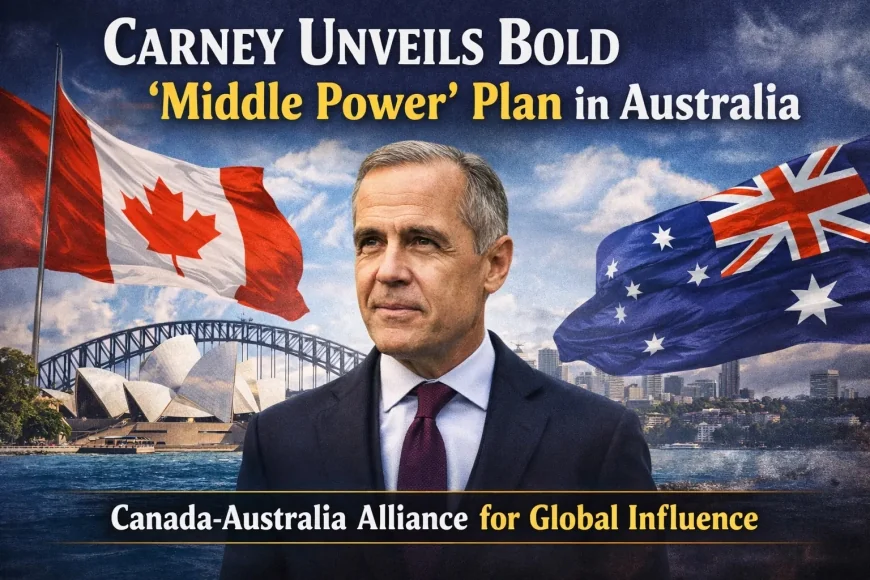
On trade, Modi said: "Our target is to reach $50 billion in bilateral trade. That's why we have decided to finalize a Comprehensive Economic Partnership soon."
Carney said he wants to reach a deal on the "Ambitious Agreement" by the end of the year. It has been discussed on and off for the past 15 years, so completing it would be a major achievement.
Analysts say Carney's decision to put diplomatic tensions aside and offer India a peace deal is a pragmatic one, given current geopolitical changes.
The same is true for India, which is seeking to diversify its imports and form new trade partnerships to reduce its dependence on Russia for its energy needs.
Surveys show that a majority of Canadians support reconnecting with India. A recent Angus Reid poll found that half believe it's the "right time" to rebuild relations.
The poll also shows that more Canadians think highly of India (30%) than the US (26%), as Canada remains under pressure from tariffs imposed by the Trump administration.
Earlier on Monday, Carney met with Indian Foreign Minister S. Jaishankar, where the two discussed building a "forward-looking partnership."
Carney's four-day trip began with a visit to the financial capital, Mumbai, where he met with business leaders and ministers on February 28 to promote trade and investment in India.
Thank you for reading this content.
Thank you for reading this content.
What's Your Reaction?
 Like
0
Like
0
 Dislike
0
Dislike
0
 Love
0
Love
0
 Funny
0
Funny
0
 Angry
0
Angry
0
 Sad
0
Sad
0
 Wow
0
Wow
0