





















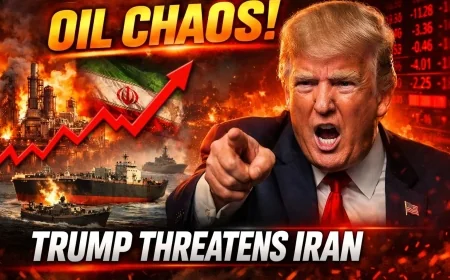






Oil Soars as Iran Threatens Gulf Shipping Route
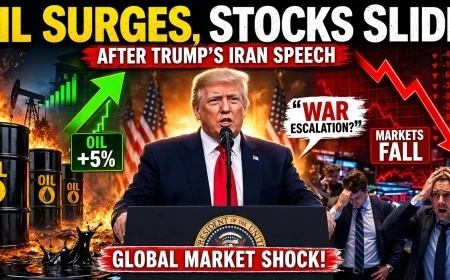
Oil prices jump past $80 as Iran threatens Strait of Hormuz shipping, rattling global energy markets and raising fears of $100 crude.

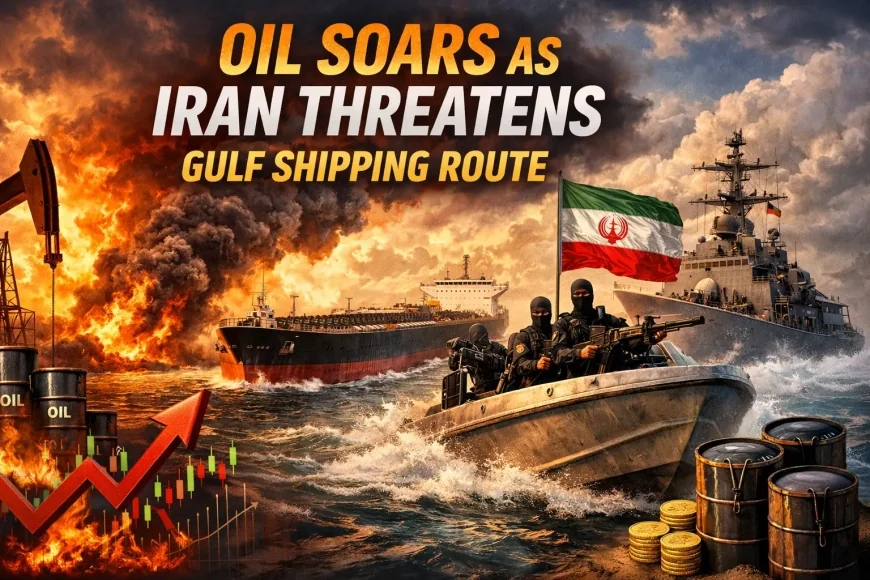
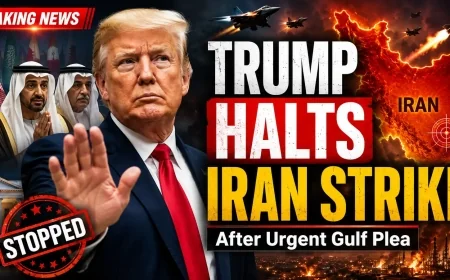
Oil prices rose further on Tuesday after an Iranian official said his country would "fire anyone trying to pass through" the Strait of Hormuz as the conflict between his country and the US and Israel continues.
In afternoon trading in Asia, Brent crude rose nearly 3.2% to more than $80 (£59.67) per barrel, while US-traded oil rose about 2.6%.
This follows Monday's surge in oil and gas prices and the US government's announcement of plans to tackle rising energy costs.
Asian stocks also continued to fall on Tuesday as investors gauged the impact of the conflict on financial markets.
Speaking on state TV, Ibrahim Jabbari, an adviser to the commander-in-chief of Iran's Islamic Revolutionary Guard Corps (IRGC), said ships "should not come to this area. They will definitely face a severe response from us."
Shipping through the Strait of Hormuz is vital to the global economy, with approximately 20% of the world's oil and gas transiting through it. However, shipments have been halted in recent days after attacks on several ships.
In addition to driving up prices in the global energy market, the fighting has also increased the cost of transporting oil.
The cost of chartering a supertanker to transport oil from the Middle East to China exceeded $400,000 (£298,300) on Monday, the highest ever.
According to data from the London Stock Exchange Group, this is nearly double the price of the previous week.
Srinivasan Balakrishnan of risk research firm Avalon Intelligence said that if the disruption to shipments continues for a long time, crude oil prices could exceed $100 per barrel.
Software Services

He estimated that US gasoline prices could rise by 25 cents per gallon if the disruption persists. US President Trump is concerned that the fighting in the Middle East could increase the cost of living.
Trump is scheduled to meet with Treasury Secretary Scott Bessant and Energy Secretary Chris Wright on Tuesday.
Secretary of State Marco Rubio said Washington will announce a plan to address rising energy prices.
"We knew it would be a factor," Rubio told reporters regarding rising oil prices.
"Starting tomorrow, you'll see us rolling out those phases to address it."
Thank you for reading this content.
Thank you for reading this content.
What's Your Reaction?
 Like
0
Like
0
 Dislike
0
Dislike
0
 Love
0
Love
0
 Funny
0
Funny
0
 Angry
0
Angry
0
 Sad
0
Sad
0
 Wow
0
Wow
0