































$100 Oil Panic: Iran War Jolts Global Markets
Global oil prices surge past $114 as the Iran war disrupts the Strait of Hormuz. Asian stock markets tumble amid fears of a prolonged global energy crisis.

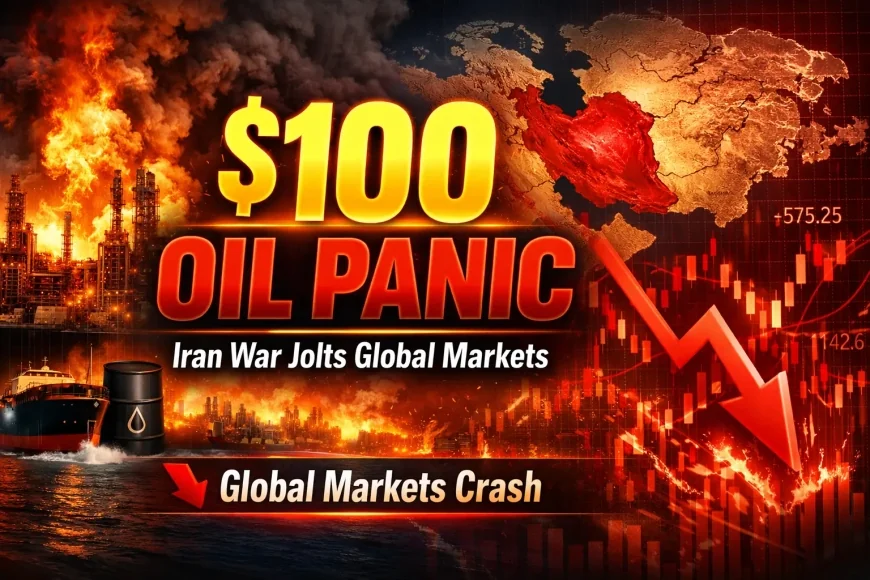
Global oil prices have surged above $100 (£75.11) per barrel and stock markets have plummeted, as the escalating US-Israeli war with Iran has raised fears of a prolonged disruption to shipments through the Strait of Hormuz.
Iran on Sunday installed Mojtaba Khamenei as Supreme Leader, replacing his father, Ali Khamenei, as its Supreme Leader, signaling that hardliners remain in power in the country a week after the fighting.
The US and Israel launched a new wave of airstrikes in Iran over the weekend, hitting several targets, including oil depots.
A major disruption to energy supplies from the region threatens to raise prices for consumers and businesses worldwide.
In Asia on Monday morning, Brent crude was up nearly 24% at $114.74, while Nymex Light Sweet was up more than 26% at $114.78. Stock markets across the Asia-Pacific region fell sharply in morning trade, with Japan's Nikkei 225 index dropping more than 7%, Hong Kong's Hang Seng falling more than 3%, and Australia's ASX 200 dropping more than 4%.
Read Also
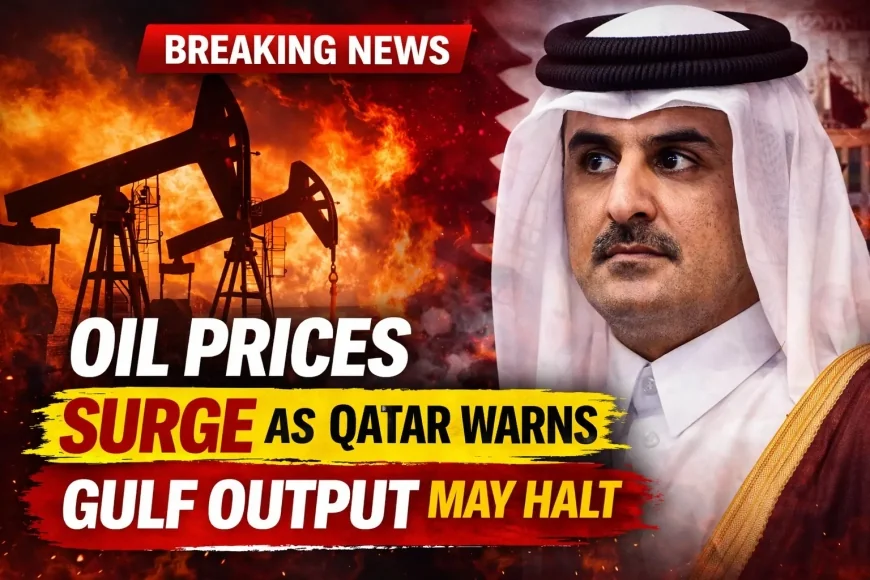
South Korea's Kospi index, which has suffered particularly hard losses since the fighting began, plunged more than 8%, forcing a 20-minute trading halt.
The so-called circuit breaker is a measure designed to prevent panic selling. It also came into effect on Wednesday, when the Kospi fell 12%.
About a fifth of the world's oil supply is normally shipped through the Strait of Hormuz. But since the fighting began a week ago, traffic through this narrow passage has virtually stopped.
Many in the market had predicted that oil would reach $100 per barrel this week.
It took about a minute for it to surge 10%, and then another 15 minutes to surge another 10% in early Asian trading.
Last week, markets were relatively calm about the nightmare scenario surrounding millions of barrels of crude oil and liquefied natural gas stranded in the Gulf, unable or unwilling to transit the Strait of Hormuz.
But the weekend surge, coupled with the devastation of energy infrastructure in Iran and across the Gulf, quickly spooked markets.
The question now is where will this lead? Some analysts argue that if the shutdown in the Strait lasts until the end of March, we could see oil prices reach record levels above $150 per barrel.
Software Services
 |
Build a profitable gaming business with 500+ games — book a demo |
Adnan Mazraei of the Peterson Institute for International Economics said the surge in oil prices was expected, given how production has been halted in some Gulf countries and signs of prolonged conflict in the region. He said, "People are realizing this won't end soon," adding that US promises of insurance and purpose are "becoming even more unrealistic."
Rising oil prices could also increase the cost of essential derivative products, such as jet fuel and precursors for fertilizer.
Physical supplies from the Gulf are mostly used in Asia.
However, there are already signs that Asian consumers are raising prices for US gas, with some tankers initially destined for Europe now returning to the Mid-Atlantic.
US President Donald Trump, referring to the price surge, said the short-term increase is "a small price" to pay to address Iran's nuclear threat.
His Energy Secretary told US broadcasters on Sunday that Israel, not the US, is targeting Iran's energy infrastructure, amid some concerns about rising domestic pump prices due to the war.
Thank you for reading this content.
Thank you for reading this content.
What's Your Reaction?
 Like
0
Like
0
 Dislike
0
Dislike
0
 Love
0
Love
0
 Funny
0
Funny
0
 Angry
0
Angry
0
 Sad
0
Sad
0
 Wow
0
Wow
0