





























Oil Prices Surge as Qatar Warns Gulf Output May Halt
Oil prices hit a two-year high after Saad al‑Kaabi warned Gulf energy exports could halt. The growing global energy crisis may push crude toward $150.

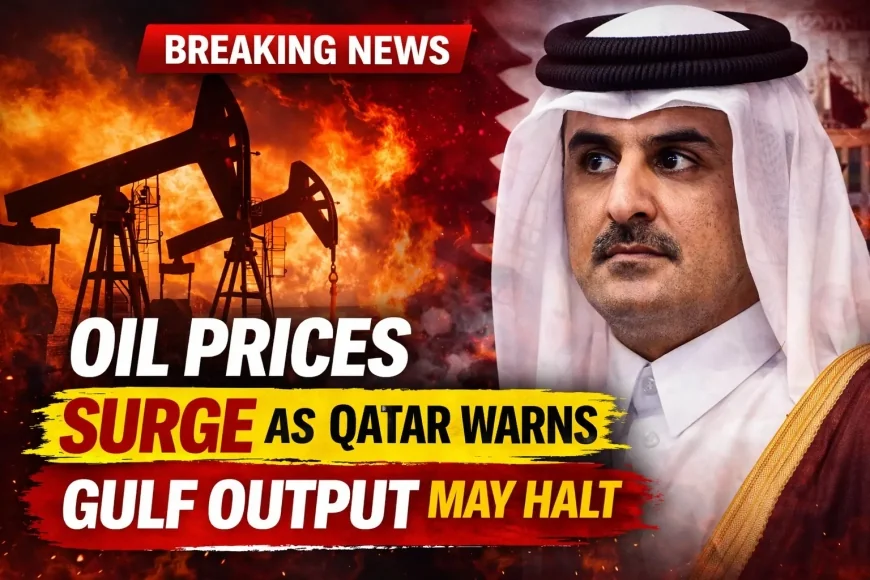
Qatar's energy minister warned that all Gulf oil and gas exporters would halt production within days, sending oil prices to their highest level in more than two years.
Saad al-Kaabi told the Financial Times that conflict in the Middle East – a region that plays a vital role in global energy supplies and shipping routes – could "bring down the world economy."
Brent crude oil rose more than 9% on Friday to $93 per barrel – its highest level since the fall of 2023.
Rising oil prices can have a significant impact, not only on the cost of fueling your car but also on the cost of some heating, food, and imported goods.
There are warnings that if oil and gas prices – which have risen this week – remain high, it could fuel inflation in major global economies like the UK and US, where prices are largely falling.
Kaabi said that if the Iran conflict continues in the coming weeks, oil could reach $150 per barrel.
He told the FT: "If this war continues for a few weeks, GDP growth around the world will be impacted.
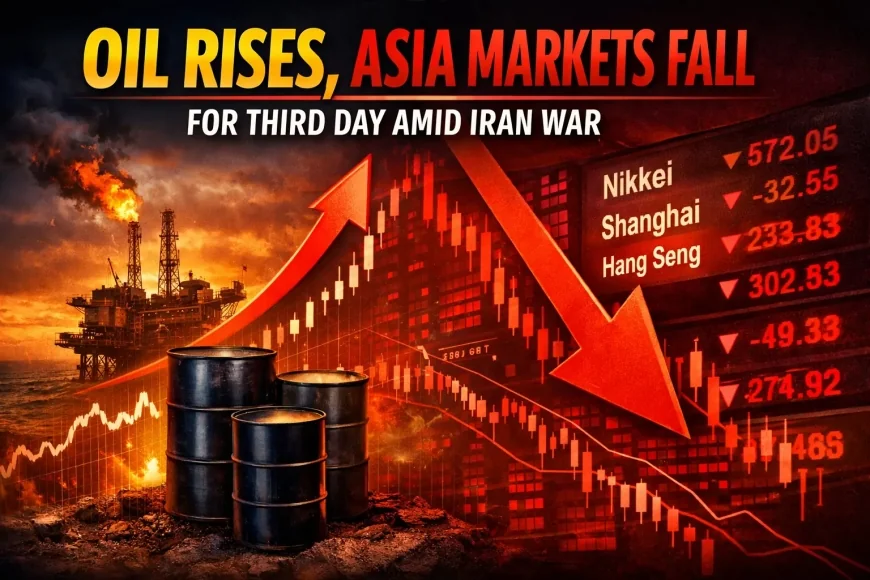
"Everyone's energy prices are going to rise. There will be shortages of some products, and a chain reaction will occur with factories unable to supply."
Consumers in the UK are already seeing increased petrol and diesel prices. On Friday, the RAC said petrol prices at UK pumps had risen by 3.7p and diesel by 6p since Saturday, reaching their highest level in 16 months.
The UK's competition watchdog, the Competition and Markets Authority, says it is "closely monitoring" petrol station prices to see how they develop.
Household energy bills may also rise, although the impact will likely not be felt until July because regulator Ofgem's energy price cap has already been set by then.
There were fears that the current crisis could have an impact similar to Russia's invasion of Ukraine, but so far, oil and gas price increases have remained below the highs seen in 2022.
Asked about the Energy Minister's warnings, Rystad Energy analyst George Lyons told that the situation poses a "real threat to the global economy."
"I think we're trying to understand whether this is a very small energy crisis with limited effects, or whether we're at the beginning of a major economic and energy crisis," he said.
Software Services

"If this lasts longer than two weeks, there's a high likelihood of significant impacts on the energy system and the global macroeconomic outlook."
Qatar is a major producer and exporter of oil and liquefied natural gas (LNG).
This week, QatarEnergy said it had halted LNG production following "military attacks" on its facilities.
It declared "force majeure"—a clause that exempts it from responsibility for supply failures due to events beyond its control—and Kaabi said he believed all other energy exporters would have to do the same in the next few days if the war continued.
Kaabi, who is also the chief executive of QatarEnergy, said that even if the war stops now, it will take "weeks to months" for normal output to resume.
About a fifth of the world's oil supply is usually shipped through the Strait of Hormuz each year. But since the US-Israel war with Iran broke out last weekend, traffic through this narrow passage has virtually stopped.
Blocking the strait could increase the cost of goods and services worldwide and impact some of the world's largest economies, including China, India, and Japan, which are among the top importers of crude oil transiting through the waterway.
Both the UAE and Saudi Arabia have pipelines that allow them to transport oil without using the strait.
But analysts warn that the longer the threat to ships passing through the strait persists, the higher the price of oil—and its shipping—will be.
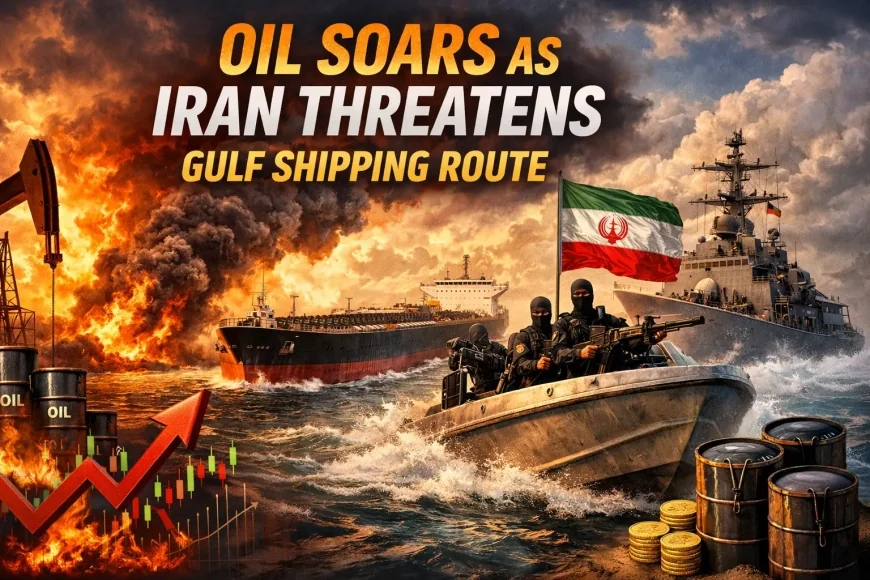
Lyons of Rystad Energy said that if Gulf countries cannot export oil, they will have to store it, and when this storage is exhausted, they will shut down production. They have a few days to a few weeks to reach that point, depending on how much storage they have.
He said that oil prices exceeding $100 per barrel is a "realistic scenario," but the important thing is how long they remain at that level.
At that point, governments around the world will likely deplete their oil reserves, as happened after Russia's massive attack on Ukraine.
Lindsay James, investment strategist at Quilter, said that a prolonged halt to all oil and gas production in the Gulf was a "very bad scenario."
He said market trends suggest investors are hopeful the traffic blockage through the Strait of Hormuz will be resolved quickly, but he also said the risk is growing every day that the conflict will last longer than previously thought.
"For households, the pressure will be felt primarily in energy prices, not in a major inflationary shock," he said.
"For example, food inflation in the UK is not expected to be significantly affected, as most food imported into the UK does not rely on Gulf shipping routes.
"The major economic risk comes from persistently rising energy costs, which could have a significant impact on growth."
Thank you for reading this content.
Thank you for reading this content.
What's Your Reaction?
 Like
0
Like
0
 Dislike
0
Dislike
0
 Love
0
Love
0
 Funny
0
Funny
0
 Angry
0
Angry
0
 Sad
0
Sad
0
 Wow
0
Wow
0