




























Australia Votes for Tighter Gun Laws After Bondi Shooting
Australia moves swiftly to tighten gun laws after the Bondi shooting, as parliament responds to public shock and debate over gun control reform.


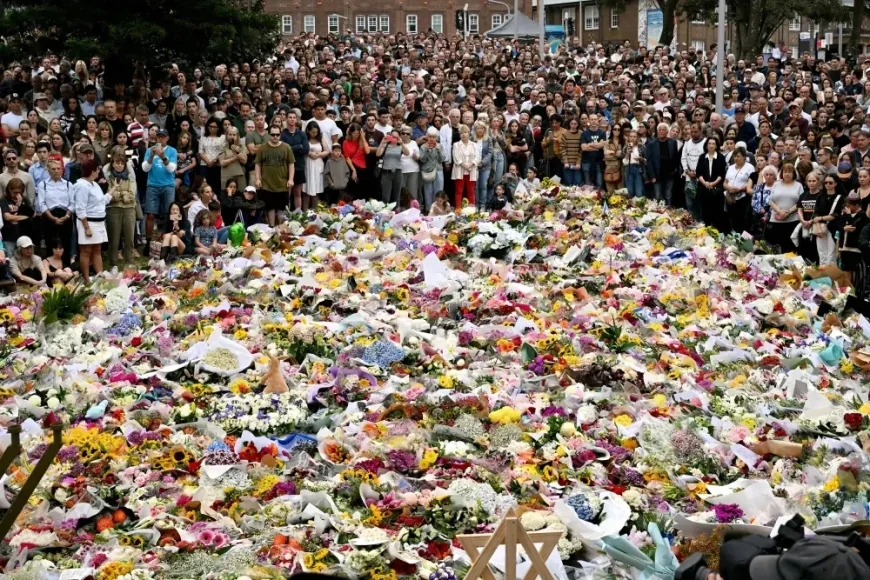
Australia's parliament has voted overwhelmingly in favor of sweeping gun law reforms, a month after two gunmen killed 15 people at a Jewish festival on Bondi Beach.
The bill, which includes a national gun buyback scheme and new checks on firearms license applications, passed the House of Representatives by a vote of 96 to 45 and was subsequently passed by the Senate.
Home Affairs Minister Tony Burke said that if such legislation had been in place before the attack, the Bondi gunmen would not have had legal access to firearms.
Hate speech reforms aimed at tackling antisemitism, which were also passed by the lower house on Tuesday, were expected to receive Senate approval later in the day.

Following last month's mass shooting, Prime Minister Anthony Albanese was under immense pressure from the Jewish community, amid growing fears of antisemitism, for not taking sufficient steps to prevent the attack.
Politicians were recalled to parliament two weeks ago to debate the legislation. Introducing the reforms, Burke said that "those with hate in their hearts and guns in their hands" had carried out the December 14 attack.
The father in the alleged father-son duo behind the attack reportedly legally owned six firearms, while his son was under surveillance by intelligence agencies.
The gun reform bill includes provisions for stricter firearms import controls and improved information sharing between intelligence agencies regarding individuals attempting to obtain gun licenses.
Software Services
 |
Start your own gaming platform for just $3,000 |
Burke said the buyback scheme would target "excess and newly prohibited firearms," reducing the number of the country's four million registered guns.
Burke said it "shocks most Australians" to learn that the country has more firearms now than before the 1996 Port Arthur massacre, in which a gunman killed 35 people in Tasmania. The attack, the country's worst mass shooting, prompted the then-government to implement some of the world's strictest gun control laws. The new legislation would represent some of the most significant changes to Australia's gun laws since then.
The hate speech reforms were originally included in an omnibus bill alongside the gun reforms, but the government split the legislation last week after both the Liberal-National opposition coalition and the Greens said they would vote against it.
While the Labor government has a comfortable majority in the lower house, it needs the support of other parties in the Senate. Coalition MPs raised concerns about free speech and said the legislation was not clearly defined, while the Greens said they would not support it unless it was amended to protect all minorities and legitimate protests.
But on Tuesday, Liberal leader Sussan Ley, who last week said the bill "couldn't be fixed," said her party had reached an agreement with the government on a watered-down version.
She said in a statement that the Liberals had "stepped up to fix" the legislation that the government had "mishandled," and that the bill had been "shortened, strengthened and properly focused on keeping Australians safe."
The bill includes provisions that would ban groups deemed to be promoting hate speech and introduce tougher penalties for preachers who incite violence. It will be reviewed by a joint parliamentary committee every two years. The opposition will also be consulted on the listing and delisting of extremist organizations.
Thank you for reading this content.
Thank you for reading this content.
What's Your Reaction?
 Like
0
Like
0
 Dislike
0
Dislike
0
 Love
0
Love
0
 Funny
0
Funny
0
 Angry
0
Angry
0
 Sad
0
Sad
0
 Wow
0
Wow
0