


























Deal or Destruction: Trump Threatens Iran with Overnight Strike
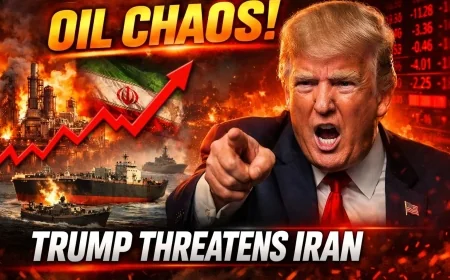
US President Donald Trump warns Iran of a one-night strike if no deal is reached amid the Strait of Hormuz crisis, raising global tensions.

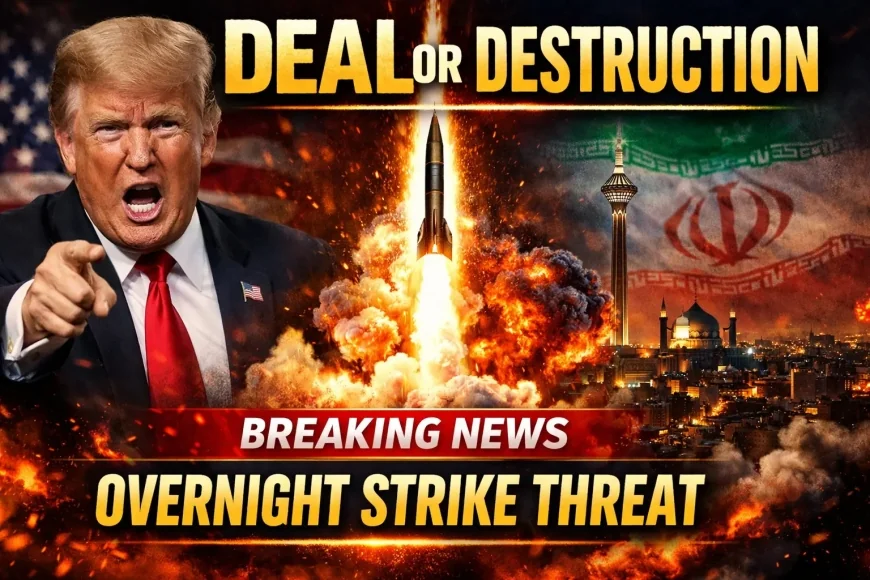
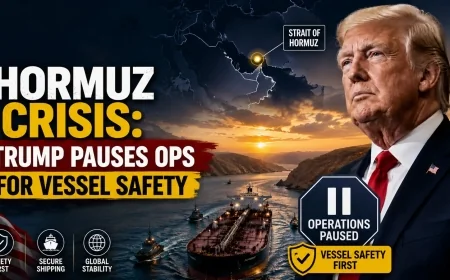
US President Donald Trump has threatened Iran, stating that if it fails to reach an agreement before the deadline set for Tehran to reopen the Strait of Hormuz—a critical global supply route—the United States will "obliterate" Iran "in a single night."
Trump's deadline pertains to reaching an "acceptable" agreement—one that ensures the unimpeded flow of energy from the Gulf region.
Speaking at a White House press conference, Trump expressed his belief that Iran's "sensible" leaders are negotiating in "good faith," though the ultimate outcome remains uncertain.
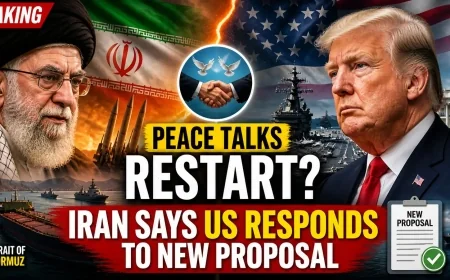
Iran has rejected proposals for a temporary ceasefire, demanding instead a permanent end to the conflict and the lifting of sanctions.
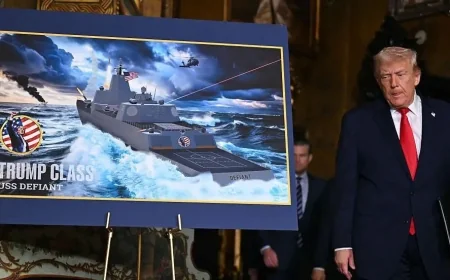
Trump's press conference—attended by Chairman of the Joint Chiefs of Staff General Dan Kane and Secretary of Defense Pete Hegseth—took place just days after the US military successfully rescued two crew members from an F-15 fighter jet that had been shot down over southern Iran.
Read Also
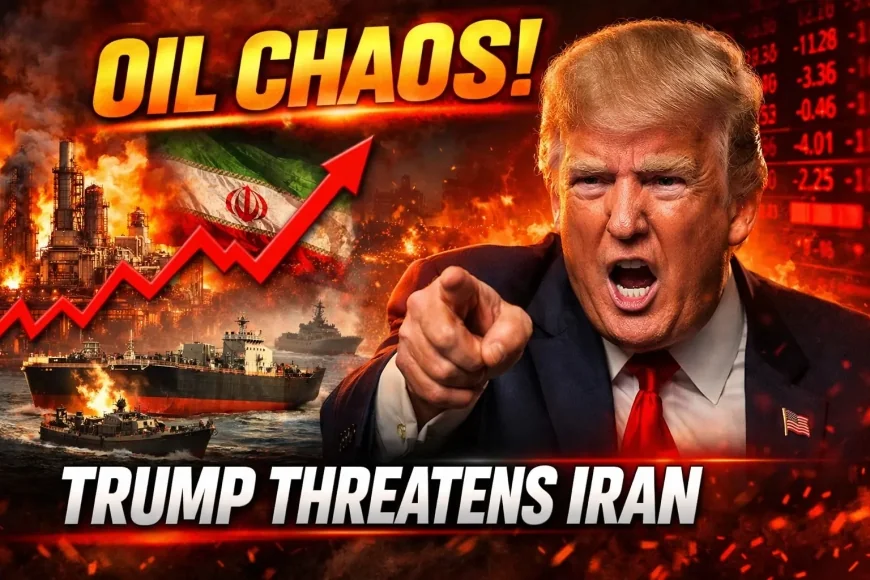
Although most of Trump's remarks focused on the "heroic" rescue of the crew members, he reiterated his warning that if the Strait of Hormuz is not reopened by Tuesday's deadline, the United States could launch attacks on Iran's energy and transportation infrastructure.
"The entire country could be obliterated in a single night," he stated on Monday—"and that night could very well be tomorrow night."
Trump further added that once the deadline expires, Iran would be sent back to the "Stone Age."
"They won't have any bridges left," he said. "They won't have any power plants left."
Despite Iran having already rejected US demands, Trump remained consistently optimistic that—following the deaths of several key figures within the Iranian leadership during US and Israeli strikes—Iran is now negotiating in good faith. "We will find out soon," he said.
According to a regional official familiar with the discussions, any meaningful progress in negotiations is unlikely without a prior ceasefire.
Software Services
 |
Start your own gaming platform for just $3,000 |
The official—who requested anonymity given the sensitivity of the talks—stated that the negotiations have also been complicated by the ongoing communications blackout, which is creating significant difficulties in conveying messages to Iranian officials and receiving their responses.
"Getting messages to Iran and receiving a response within a reasonable timeframe is currently not possible," the official said. "It is taking, on average, a day or more to receive a reply." Pakistan, Turkey, and Egypt have all participated in mediation efforts.
Trump offered few details regarding the administration's future plans; he simply stated that he possesses the "best plan," but would not disclose it to the media.
Legal experts have warned that deliberate and sustained attacks on Iranian infrastructure could be construed as war crimes.
Read Also
Tess Bridgeman, a former legal advisor to the National Security Council during the Obama administration, stated: "Destroying all power plants, threatening to coerce civilians in order to force the government to the negotiating table—all such actions are completely unlawful."
Earlier in the day, Trump had remarked that he was not "concerned" about this possibility, and during the press conference, he asserted that the Iranian people would be "willing to suffer to gain their freedom"—even if toppling the Iranian government was not his intention.
The President also once again criticized key U.S. allies—including the UK, NATO, and South Korea—claiming that these partners had failed to assist the United States during this conflict.
"This is a stain on NATO that will never be erased," he said, adding that the United States does not "need" the UK. According to information received from the U.S. Central Command on Monday, the U.S. military has conducted more than 13,000 strikes across Iran since the war began.
Thank you for reading this content.
What's Your Reaction?
 Like
0
Like
0
 Dislike
0
Dislike
0
 Love
0
Love
0
 Funny
0
Funny
0
 Angry
0
Angry
0
 Sad
0
Sad
0
 Wow
1
Wow
1