































How to Stay Safe in Storms and Power Cuts
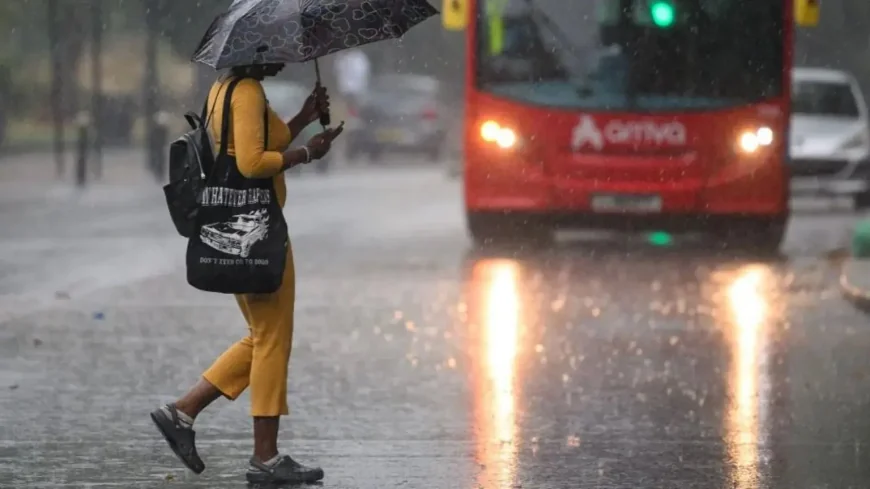
Heavy rain this week could cause localised flooding in parts of the UK.

How can you prepare and secure your home before a storm hits?
You can take several steps:
Secure any loose items outside your property, such as bins, ladders, trampolines and outdoor games, garden furniture and tools.
Check that fences and roof tiles are secure.
Clear gutters of debris such as moss and leaves.
If possible, remove any loose or overhanging branches.
Close and securely fasten all external doors and windows.
If your home or business has storm shutters, secure them.
If you have a garage, park vehicles in the garage; otherwise, ensure they are parked as far away from buildings, trees and fences as possible.
Close and secure attic doors.
Make sure you know how to turn off the gas, electricity and water if you need to leave your home, for example, due to flooding.
Charge all essential devices, including mobile phones and battery packs.
Gather important documents such as passports and driving licences, and ensure you have your insurance company's contact and policy details.
If you take medication, ensure you have a few days' supply.
If you are in a flood-risk area, move valuables or essential items upstairs or as high as possible on the ground floor.
How are storms named in the UK?
The most dangerous, the fastest, the windiest: The UK's three worst storms
What should you do during a storm?
Strong winds can cause damage to buildings, such as tiles falling from roofs, and heavy rain can cause flooding. Public transport may be disrupted. People are advised to stay indoors as much as possible and keep internal doors closed. In the event of a power surge, unplug any non-essential electrical appliances.
If you do need to go outside, you should avoid walking on the sheltered side of buildings, trees, and walls or fences to avoid the risk of falling debris.
You should not attempt to repair any damage to your property or belongings during the storm.
The RSPCA advises bringing all animals indoors and ensuring you have adequate food, bedding, and fresh water.
Listen to local radio and TV for severe weather warnings, and check government and news websites for the latest updates. If you become trapped by floodwater, you should go to the highest floor of the building you are in.
Avoid attic spaces due to the risk of becoming trapped by rising water, and only go onto the roof if absolutely necessary. Call 999 and wait for help.
Check weather warnings
Met Office: Stay safe in a storm
What are my rights if a storm affects my home, travel and work?
What should you do if there is a power cut?
If there is a power cut, ensure all non-essential appliances are switched off, but leave one light on so you know when the supply has been restored.
You can report a power cut online or by calling 105, a free service in England, Scotland and Wales.
Alternatively, you can find your energy network operator's details using this postcode search tool.
If you have any medical equipment in your home that requires electricity, this may put you on a priority list for assistance.
If you smell gas and suspect a gas leak in your home, you can report it by calling 0800 111 999.
Can you drive during weather warnings? Unless your journey is unavoidable, do not drive.
You should avoid flooded or exposed roads such as bridges or elevated open roads. If you must drive, ensure you have essentials such as warm clothing, food, water, blankets, and a torch, and keep your phone fully charged.
Drive slowly, and be especially careful around larger vehicles and when overtaking. Give other vehicles plenty of space.
Turn on your headlights or fog lights if visibility is very poor.
AA: How to drive in deep water, heavy rain and floods
Driving during a weather warning – including the most severe category, red – doesn't automatically invalidate your car insurance, but it could make claiming more difficult.
An insurance company could try to prove negligence, such as driving on the road despite advice to the contrary, and refuse the claim.
What should you do after a storm?
Most home building, contents and commercial business policies cover damage caused by storms. If your property or belongings have been damaged, you should:
Do not do anything that puts you or your family at risk
Be especially careful around any exposed electrical or telephone cables
Only return to your home or business after a storm when it is safe to do so
Contact your insurance company as soon as possible: most companies have a 24-hour emergency helpline that can advise on next steps and arrange repairs
If necessary, arrange temporary emergency repairs to prevent further damage. Inform your insurance company and keep receipts.
What's Your Reaction?
 Like
0
Like
0
 Dislike
0
Dislike
0
 Love
0
Love
0
 Funny
0
Funny
0
 Angry
0
Angry
0
 Sad
0
Sad
0
 Wow
0
Wow
0