































7 Bold Reforms Europe Plans to Fix the Migration Crisis
European leaders push for ECHR migration reforms with 7 bold proposals to tighten borders, target smugglers, and modernize human rights rules across Europe.

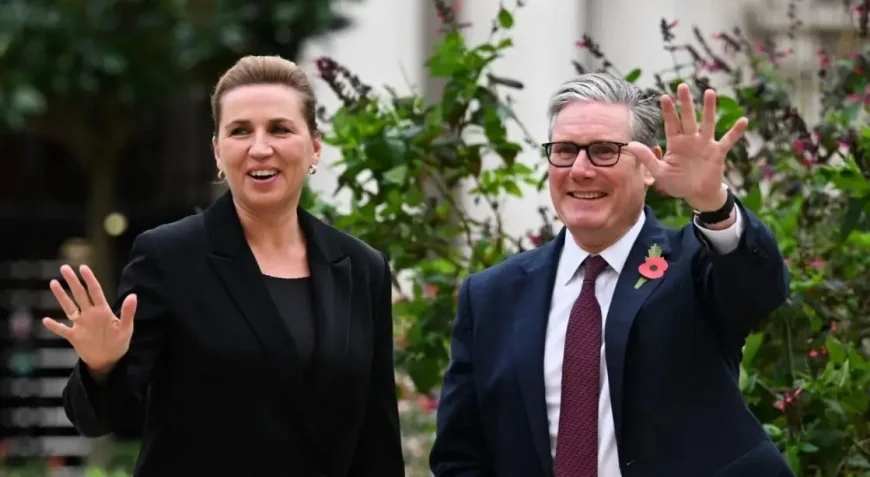
International talks to revolutionize how the European Court of Human Rights handles migration cases will begin on Wednesday.
The British government is calling on partners to modernize the way countries across the continent tackle the illegal migration crisis.
These talks are the biggest indication yet that international human rights law can be reinterpreted to make it easier for countries to target people smuggling and create "return hubs" to hold people who have no right to stay in Europe.
Ahead of the major meeting in Strasbourg, Sir Keir Starmer and Danish Prime Minister Mette Frederiksen said other countries should rethink human rights laws to simplify border security.
Critics say the ECHR is hindering the removal of more illegal migrants, while supporters say claims about the ECHR's role in migration are exaggerated.
The aim is for member states to reach a political declaration by spring that will set out how the European Convention on Human Rights will apply to migration matters.
If such an agreement is reached, it could mark one of the most significant reforms to the implementation of human rights law in the Convention's 75-year history.
The Council of Europe, which agrees on human rights laws and then enforces them by court, is meeting after months of pressure on migration.

Nine members of the human rights body, led by Italy and Denmark, called for reforms earlier this year.
The UK did not sign that open letter—but it is lobbying behind the scenes to negotiate reforms.
Debate over UK membership of the Convention has intensified in recent years.
Both the Conservatives and Reform UK have stated that they will leave if they win the next election.
Kemi Badenoch said leaving would not be a "silver bullet" but a necessary step to "protect our borders, our veterans, and our citizens."
Liberal Democrat leader Sir Ed Davey said he would oppose such a move, saying the Convention "preserves our freedoms" and "will do nothing to stop the boats or fix our broken immigration system."
Writing in the Guardian newspaper ahead of the talks, Sir Keir and his Danish counterpart, Mette Frederiksen, said member states meeting on Wednesday must "tackle more" the "shared challenges" of "uncontrolled migration," which they said was eroding public trust in governments.
The leaders said, "Europe has faced great tests before, and we have overcome them by working together. Now we must do so again."
"Otherwise, the forces that seek to divide us will become stronger.
"So our message is this: as responsible, progressive governments, we will deliver the change people demand.
"We will control our borders to protect our democracies – and make our countries stronger than ever in the years to come."
Deputy Prime Minister David Lammy will lead the UK delegation at the talks.
He is expected to say at the meeting that the UK is committed to the ECHR – but this should not stand in the way of tackling people smuggling.
The UK's previously announced domestic plans include legislation to restrict how the right to privacy and family life is enforced in removal cases.
If the meeting in Strasbourg is successful, officials will begin working with member states on a political declaration to clarify how human rights laws should be applied to migration challenges – the deadline for final wording is next May.
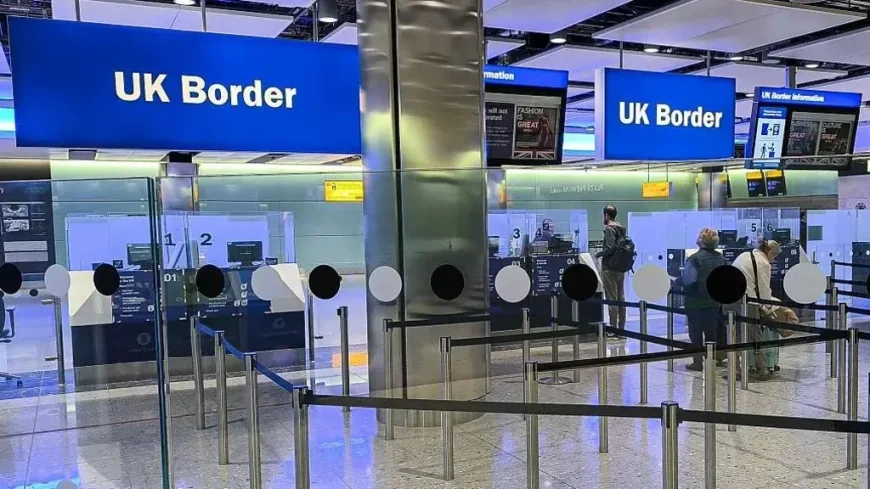
The talks are expected to address some of the most difficult issues, including tackling migrant smuggling and how to create human rights-compliant 'return hubs' – centers outside Europe where migrants can be forcibly held if they cannot be sent back to dangerous countries.
The talks are also expected to address the difficult rules surrounding Article 8, the right to family life, and Article 3, the prohibition of inhumane treatment, which are at the heart of many migration cases.
Speaking at the talks, Lammy is expected to say: "The definition of 'family life' cannot be expanded to exclude people who have no right to be in the country... The scope of 'inhuman and degrading treatment' should be limited to the most serious issues... and countries should be able to take appropriate decisions to remove foreign criminals."
He will say that the Convention is "an essential foundation for peace, stability, and security in Europe," but will also say that it was "never intended to be frozen in time."
This peace proposal to member states came after months of diplomatic negotiations, paving the way for Wednesday's meeting.
Before the meeting, Berset said, "The European Convention on Human Rights gives us the necessary framework to address these issues effectively and responsibly."
Thank you for reading this content.
What's Your Reaction?
 Like
0
Like
0
 Dislike
0
Dislike
0
 Love
0
Love
0
 Funny
0
Funny
0
 Angry
0
Angry
0
 Sad
0
Sad
0
 Wow
0
Wow
0