































Heating: the Japanese aluminum foil trick to save money
Across Japan, the culture of focused, frugal heating runs deep. The approach favors efficiency, not brute force. A simple foil sheet can nudge your home the same way, making the warmth you already pay for go further.

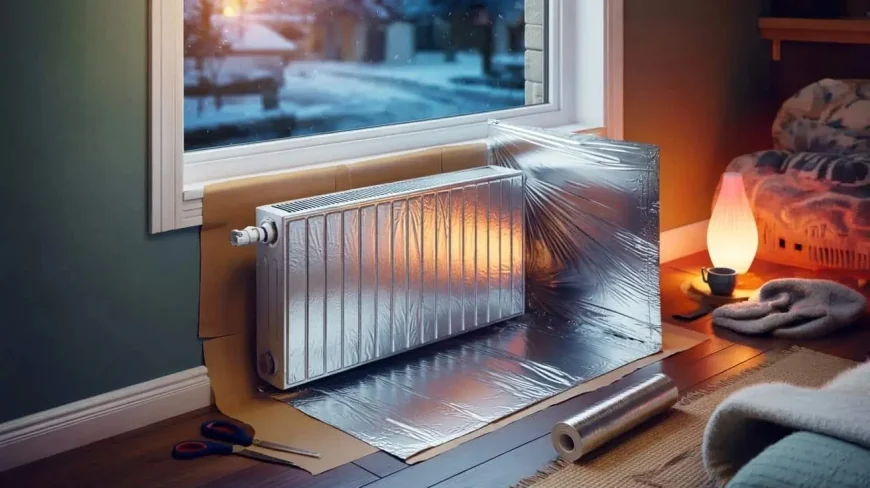
Throughout Japan, a culture of focused and cost-effective heating is deeply ingrained. This approach promotes efficiency, not coercion. Even a simple foil sheet can transform your home so you can maximize the heat you're already paying for.
What the Foil Hack Actually Does
This trick uses aluminum foil as a heat reflector behind a radiator on an exterior wall. Radiators send heat in every direction. Most of the heat is absorbed and released by the colder wall. The shiny surface reflects infrared heat back into the room, so you feel the output faster and it lasts longer.
Think of it as if the beam of a flashlight has been turned the other way. A radiator works similarly. You simply send more heat to the seating area and less to the brick.
Strong, inexpensive advantage: Place the shiny side facing the room, not the wall. This is the side that reflects heat back inside.
Why it matters when prices rise
Heating costs dictate winter budgets. Small percentage gains can offset expensive energy costs. Energy agencies often use a rule of thumb: lowering room temperature by 1°C can reduce heating use by about 7%. Using a reflector can help you achieve the same comfort at a slightly lower thermostat setting, so you won't feel as cold.
A 1°C drop can save about 7% on heating costs. A reflector helps you reach that point without compromising comfort.
How to set it up in ten minutes
You don't need any special gear. All you need is clean hands, patience, and a safe gap between the foil and hot surfaces.
• Aluminum foil (heavy-duty if possible)
• Scissors
• A few strips of double-sided tape or painter's tape
• Optional: A thin sheet of cardboard as backing for cleaning
Steps:
• Turn off the radiator and let it cool.
• Measure the area of the wall directly behind it.
• Cut the foil to size. If you use cardboard, stick the foil to the board with the shiny side facing out.
• Mount the panel to the wall, not the radiator. Keep vents and valves clean.
• Leave a small air gap if possible. This gap increases reflectivity and reduces hot spots.
• Turn the radiator back on and check for rattles or loose edges.
Where it helps most
You'll see the most benefit when the radiator is installed on an exterior wall, especially an uninsulated wall. In older masonry houses, a lot of heat escapes through solid walls. A reflector cuts that path. In newer, well-insulated houses, the benefit is reduced but still present.
This method works well with thick curtains, draft sealing, and a smart thermostat. Make two or three small improvements, and the effect will increase.
Japanese Thread
Japan is best for targeted comfort. Heated tables (kotatsu), zoned heat, and shoji-ready insulation are all about creating the same feeling of comfort while using less energy. The foil trick works on the same principle. Show off what you're already creating. Stop wasting heat where no one sits. Provide comfort where it's needed—at body level, not in the concrete.
Safety Notes and Common Mistakes
• Don't stick the foil to the radiator. Place it on the wall.
• Keep foil away from electric heating elements and open-flame appliances.
• Don't block air intakes or convector fins. Radiators need airflow.
• Use heat-resistant tape sparingly. Painter's tape often works as a paint-safe, temporary fix.
• If paint peels off or the wall gets wet, remove the panels and improve ventilation.
How much can you save?
Let's get real. A reflector doesn't make a radiator a miracle device. It reduces losses and distributes heat better around the radiator.
Example: A home spends £1,200 annually on heating. Removing one or two radiators from the rear and placing them near outside walls may increase efficiency slightly—say, 2–5%. A few pence worth of foil costs £24 to £60 annually. Combine this with lowering the thermostat by 1°C for better comfort, and the total annual savings could be £100 or more, depending on the home and the weather.
Combine this with smart temperature targets.
Comfort bands matter. For most people, living spaces are fine around 19°C. Bedrooms stay cool at 16–17°C. If you can maintain these numbers without any problems with reflectors and some draft-proofing, your boiler or heat pump will run smoothly. Your bills will also be accordingly.
More immediate benefits
• Turn off radiators and ventilate rooms for 5–10 minutes daily to reduce humidity and speed up heating.
• Close curtains and blinds after dusk; open them when sunlight hits the glass. • Seal gaps around windows and floorboards; a small tube of sealant goes a long way. • Bleed the radiator at the beginning of the season for consistent heat.
Borderline Cases and When to Leave It On
If your radiator is on an inside wall, the benefits are minimal. If you rely on an electric storage heater or baseboard heater, the approach is different: some units emit less radiation.Without panels at the same time of day. If you notice a warm wall and the room is heating up quickly, install panels. If not, consider installing commercial reflectors with a better air gap.
Final Changes That Will Have Immediate Benefits
Install thermostatic radiator valves in rooms you don't use all day. Lower the temperature by 2–3°C. Combine this with foil venting in living spaces. This combination allows your system to run slower and more consistently, reducing cycling losses and maintaining comfort.
For renters, removable cardboard-backed foil panels are clean and save paint. For owners, a sturdy reflector panel behind each external wall radiator is a quiet, solid upgrade. Either way, you're keeping more heat in the room you actually live in, which is the most important thing when looking at the meter.
What's Your Reaction?
 Like
0
Like
0
 Dislike
0
Dislike
0
 Love
0
Love
0
 Funny
0
Funny
0
 Angry
0
Angry
0
 Sad
0
Sad
0
 Wow
0
Wow
0