





















Low Gas, Low Confidence: Why Trump Gets No Credit
Obama’s former economic advisor says low gas prices haven’t boosted confidence as consumer confidence plunges, highlighting Trump’s growing affordability crisis.

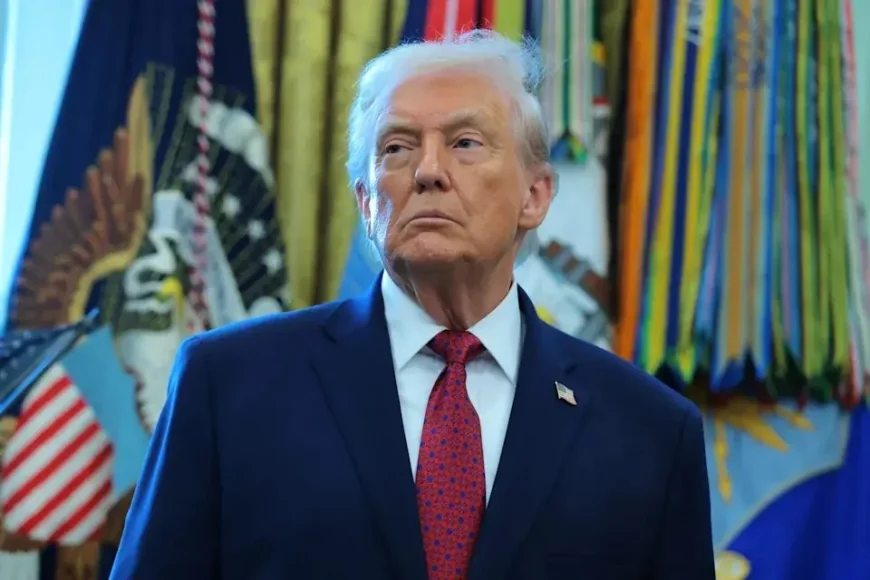
A former top economic advisor to Obama says he feels "a little bit bad" for Trump because gas prices are low, yet consumer confidence is still falling.
As President Donald Trump struggles to address Americans' growing concerns about inflation, he's received some sympathy from one of former President Barack Obama's top economists.
Jason Furman, a professor at Harvard Kennedy School of Government and former chairman of the Council of Economic Advisers under Obama, told "Squawk Box" on Wednesday that pessimistic consumers have overlooked gas prices, which remain low, making Trump's job of addressing the inflation crisis even more challenging.
According to data from the motor club AAA, gas prices in December were the lowest all year, with unleaded gasoline nationally $0.18 cheaper than last year. National average prices hit their lowest point on Monday, reaching $2.85 per gallon. This hasn't stopped consumer confidence from falling to its lowest level since April, and approval ratings show that more Americans disapprove of how Trump is handling the economy.
"I'm surprised," Furman said. "When you're in government, you're told politically that the only price that matters is the price of gasoline. That's the one price that's been doing really well this year. And I feel a little bit bad for President Trump that he's not getting any credit for it."
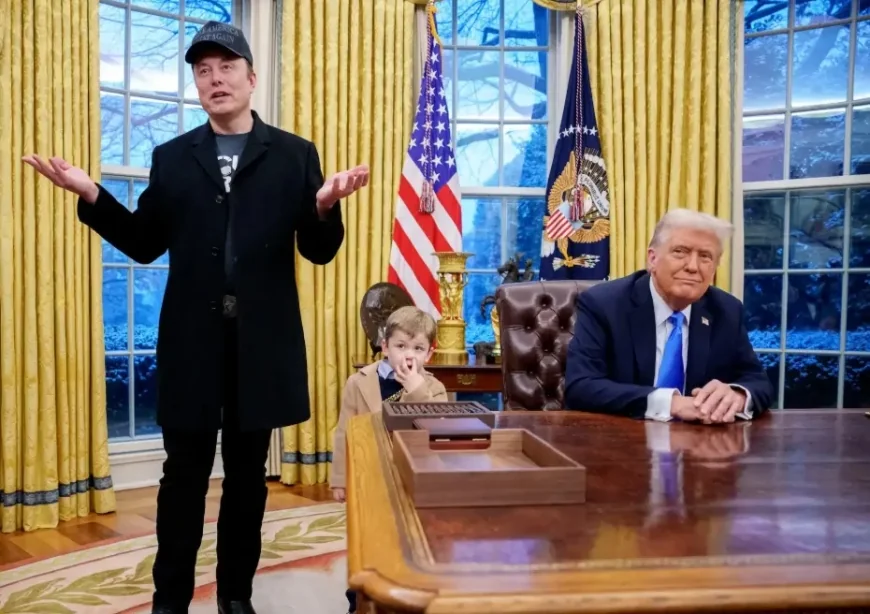
Trump has continued to send mixed signals on the inflation crisis, including saying in a primetime address last week that he inherited an economic "mess" from the Biden administration, offering to cut checks for housing allowances for millions of military personnel, while also touting the economy as the strongest it's ever been. According to Furman, Trump faces a somewhat challenging electorate: consumers are worried about inflation and grocery prices, which have risen by nearly 30% in the last five years, making it even more difficult to alleviate economic anxieties, even with other optimistic indicators.
“Consumers are just in this kind of environment where whatever the highest price is, that’s what they’re going to focus on and be upset about,” he said. “And that’s a really difficult problem to solve economically or politically.”
Mixed economic signals cloud a K-shaped economy
Furman said the contradictory economic indicators extend beyond prices. The U.S. saw its fastest economic growth in two years last quarter, with GDP growth of 4.3%, exceeding previous analyst estimates. Meanwhile, the unemployment rate rose to 4.6% in November, according to the Bureau of Labor Statistics, significantly higher than the 4.2% of the previous November and above the 4% level generally considered healthy.
“If we only had the jobs numbers, we’d all be talking right now about the probability of a recession—is it 30%? Is it 50%? Is it 70%?” Furman questioned. “But then we have this GDP growth number, and that gives us the possibility of a boom.”
Software Services
 |
Launch your own casino platform today — get started now |
Unlike many economists who see an unequal, K-shaped economy where the rich are getting richer while the poor are getting poorer, Furman is not so certain. He said that aside from some persistently low prices, such as for gasoline, wage growth remains strong, a metric tied to increased spending and productivity. To be sure, data from the Atlanta Federal Reserve Bank shows that wage growth for the lowest-earning quartile of Americans has fallen from a high of 7.5% in 2022 to around 3.5% today, the lowest in 10 years.
“I’m less sanguine than others about this K-shaped recovery,” Furman said. “Everyone wants prices to be 25% lower. Nobody wants their wages to be 25% lower.”
Other economists, such as KPMG’s chief economist Diane Swonk, see a connection between economic growth, rising unemployment, and the K-shaped economy. Swonk told Fortune that strong GDP growth actually masks a K-shaped economy where—despite robust consumer spending and soaring corporate profits—companies have learned to grow without hiring, increasing margins without expanding their workforce, a trend that could be further exacerbated by AI displacing jobs.
“Most of the productivity gains we’re seeing right now are really a result of companies being hesitant to hire and doing more with less,” she said.
Thank you for reading this content.
Thank you for reading this content.
What's Your Reaction?
 Like
0
Like
0
 Dislike
0
Dislike
0
 Love
0
Love
0
 Funny
0
Funny
0
 Angry
0
Angry
0
 Sad
0
Sad
0
 Wow
0
Wow
0