































India Cuts Rates to 5.25% Amid Economic Weakness
India’s central bank has cut the policy rate by 25 bps to 5.25%, citing weakness in key economic indicators despite strong GDP growth.

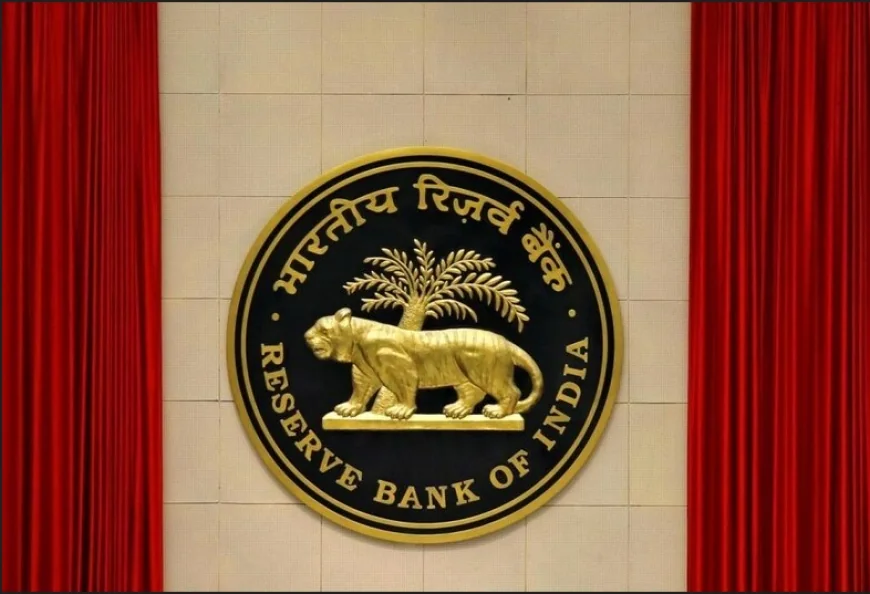
India's central bank on Friday cut its policy rate by 25 basis points to 5.25%, matching the estimates of economists polled by Reuters.
RBI Governor Sanjay Malhotra said the Monetary Policy Committee unanimously made the cut, citing "weakness in some key economic indicators," while headline inflation is expected to ease further in the first quarter of 2025.
The economy grew by 8.2% from July to September, exceeding expectations, while inflation remains low.
Malhotra said, "Despite the adverse and challenging external environment, the Indian economy has shown remarkable resilience," and indicated signs of "high growth."
In his closing remarks, he said, "The space provided by the inflation outlook has helped us support growth. We will continue to actively address the productive needs of the economy."
The central bank said on Friday that it would purchase government bonds worth 1 trillion rupees ($11 billion) in the open market this month and conduct a three-year, $5 billion buy-sell swap between the US dollar and the Indian rupee to inject lasting liquidity into the system.
Malhotra said these steps would "ensure adequate lasting liquidity in the system and further facilitate monetary transmission."
The RBI regularly conducts dollar-rupee swaps to offset the liquidity effects of its spot market interventions on the rupee.
The Indian rupee has weakened against the dollar in recent days, slipping below the crucial level of 90 rupees per dollar on Wednesday, though it later recovered somewhat.
India's foreign exchange reserves stood at $686.2 billion as of November 28, enough to cover more than 11 months of imports, the central bank said in a statement.
Weak Data, Strong Growth
RBI's Malhotra, explaining why rates remained unchanged at the previous policy meeting in October, warned that while inflation had eased significantly in the first quarter, growth could slow in the second half of the fiscal year due to global trade uncertainties.
Concerns about a growth slowdown are reflected in key economic indicators. Industrial activity fell to a 14-month low in October, and indicators like the HSBC Manufacturing PMI fell to a nine-month low in November, signaling an economic slowdown. Exports to the United States, one of India's major trading partners, fell for the second consecutive month in October, falling 8.5% from a year earlier to $6.3 billion. Total outbound shipments also fell 11.8% to $34.38 billion in October.
The governor said, "External uncertainties remain a downside risk to the [growth] outlook, while an early conclusion of various ongoing trade and investment negotiations offers upside potential."
Washington has imposed 50% tariffs on Indian goods since August. Although trade talks are ongoing between the two countries, no deal has yet been finalized.
To mitigate the impact of the tariffs, New Delhi reduced Goods and Services Tax (GST) rates in September ahead of the month-long festive season to boost domestic demand.
GST tax collections saw a sharp increase to 1.95 trillion rupees ($21.7 billion) in October, a 4.6% increase from a year earlier. However, growth slowed in November, with total collections reaching 1.7 trillion rupees, a marginal increase of just 0.7%.
The Indian rupee has weakened against the dollar in recent days, falling below the crucial 90-rupee level on Wednesday, though it later recovered slightly.
ANZ's Chief Economist for India and Southeast Asia, Sanjay Mathur, said that despite the policy rate cut earlier this year, "there hasn't been a significant boost in bank lending." He added that while there's no clarity on the outcome of the US-India trade deal, the impact of tariffs is visible on the economy.
What's Your Reaction?
 Like
0
Like
0
 Dislike
0
Dislike
0
 Love
0
Love
0
 Funny
0
Funny
0
 Angry
0
Angry
0
 Sad
0
Sad
0
 Wow
0
Wow
0