


























Global Alert: Starmer, Trump Call for Hormuz Strait Reopening
Global energy crisis deepens as Starmer and Trump push to reopen Hormuz Strait amid rising oil prices and Middle East conflict tensions.

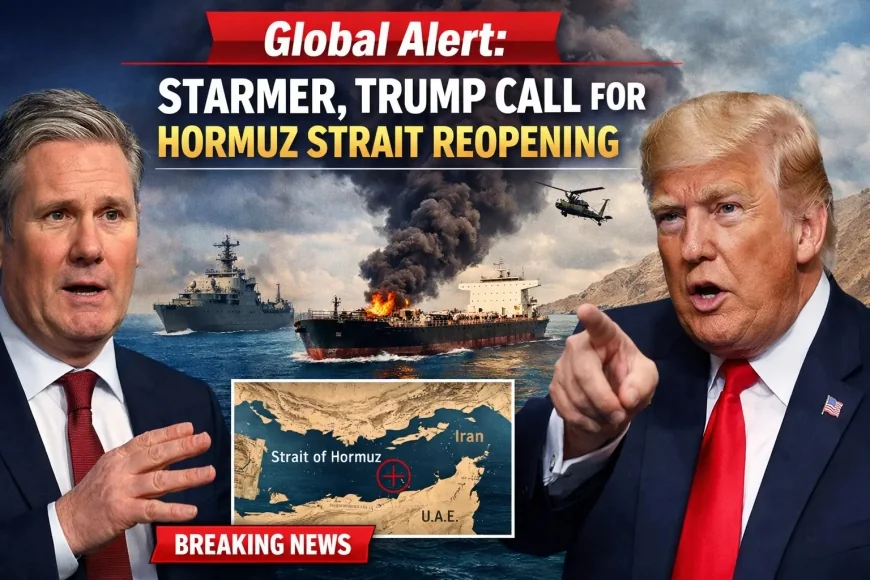
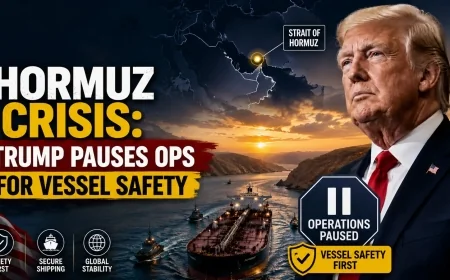
Prime Minister Sir Keir Starmer and US President Donald Trump have discussed, during a phone call regarding the ongoing conflict in the Middle East, the necessity of reopening the Strait of Hormuz.
Traffic through this strait—one of the world's busiest shipping lanes—has slowed by approximately 95% since the outbreak of the war with Iran on February 28.
A Downing Street spokesperson stated that, during the conversation held on Sunday evening, both leaders "agreed that reopening the Strait of Hormuz is essential to ensure stability in the global energy market."
This comes at a time when Sir Keir is scheduled to chair a COBRA meeting on Monday; the meeting, which will also be attended by Bank of England Governor Andrew Bailey, will focus on discussing the impact of the war on the cost of living.
The Downing Street spokesperson added that Sir Keir and Trump "agreed to speak again soon."
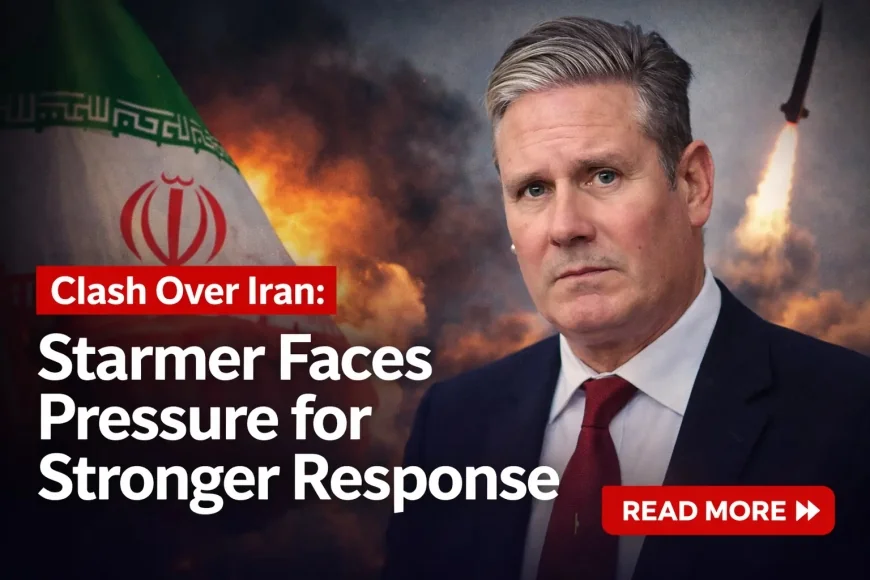
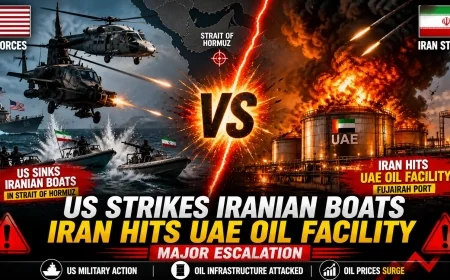
Iran has effectively closed the strait since the US and Israel launched an attack on the country on February 28.
Typically, approximately 20% of the world's oil and Liquefied Natural Gas (LNG) passes through this route; amidst the war, global fuel prices are skyrocketing, with the price of crude oil surging by 45% to reach $106 per barrel.
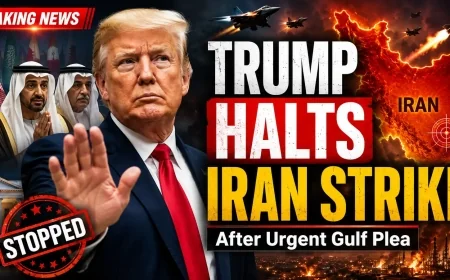
In a social media post on Saturday, Trump threatened to "completely destroy" Iran's power plants if the strait is not reopened within 48 hours.
According to Iranian state media, Tehran has stated that if the US acts on its threat, it will target US-linked energy facilities located in the Gulf region. The topics expected to be discussed at the Cobra meeting—which will also be attended by the Chancellor, the Foreign Secretary, and the Energy Secretary—include energy security and the economic impact of this crisis on families.
Ministers will also discuss the impact on trade and supply chains, as well as the international response.
Software Services

Housing Secretary Steve Reed stated that the government is already taking steps regarding energy bills; these measures include a £53 million package for families facing difficulties due to the sharp rise in heating oil prices.
He also added that "there is no specific assessment suggesting that the Iranians are targeting Britain—or indeed that they would be able to do so, even if they wished to."
This statement follows an announcement made on Saturday by the Israel Defense Forces (IDF), in which the IDF stated that Tehran possesses weapons with a strike range of up to 4,000 kilometers (2,485 miles). It had also previously emerged that Iran had targeted the joint US-UK military base located in the Chagos Islands in the Indian Ocean, situated approximately 3,800 kilometers away from Iran.
Reed declined to specify how close the missiles had come to the British Overseas Territory, stating that he could not share "operational details."

Reed confirmed that Iran had fired two ballistic missiles at Diego Garcia—one of which failed and fell short of its target, while the other was intercepted.
On Friday, the government authorized the US to use British bases to launch strikes against Iranian positions that were targeting the Strait of Hormuz.
Previously, the government had permitted US forces to use these bases solely for defensive operations, aimed at preventing Iran from firing missiles that could pose a threat to British interests or human lives.
Thank you for reading this content.
What's Your Reaction?
 Like
0
Like
0
 Dislike
0
Dislike
0
 Love
0
Love
0
 Funny
0
Funny
0
 Angry
0
Angry
0
 Sad
0
Sad
0
 Wow
0
Wow
0