

















Hormuz Tensions Rise: Hegseth Demands Action
Hegseth issues 7 strong warnings as Strait of Hormuz crisis escalates, urging allies to act amid rising global oil tensions and shifting US strategy.

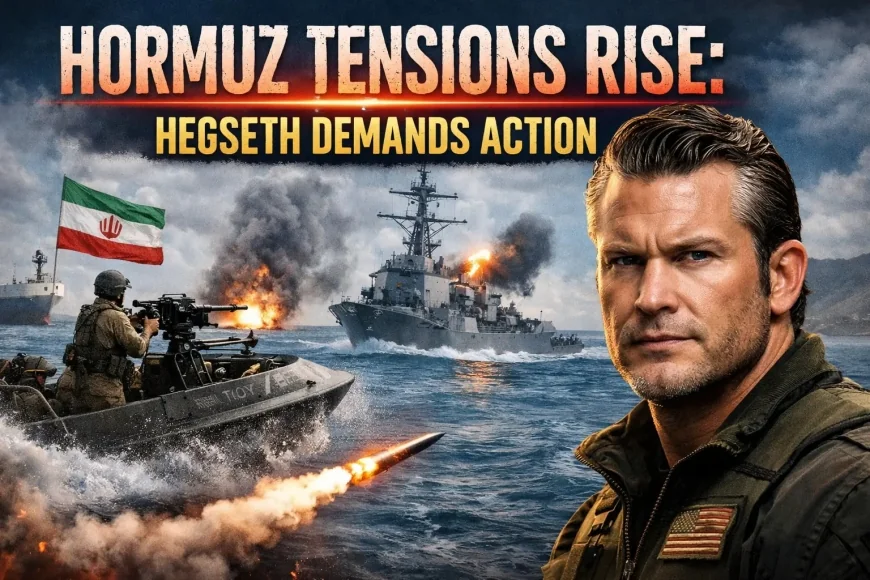
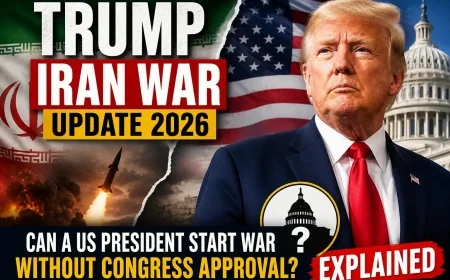
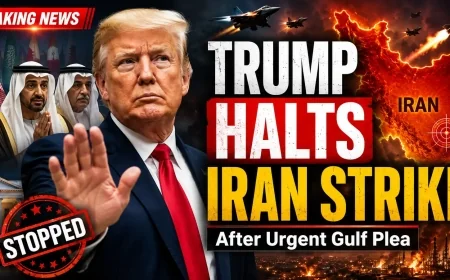
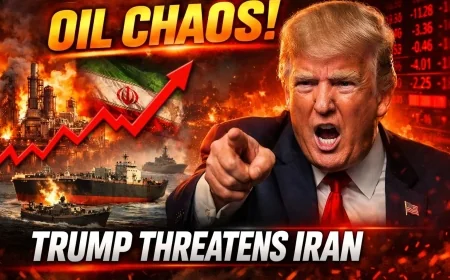
U.S. Defense Secretary Pete Hegseth has called upon allied nations to "step up" regarding the Strait of Hormuz—a move that serves, in a sense, as a reiteration of President Donald Trump's earlier remarks.
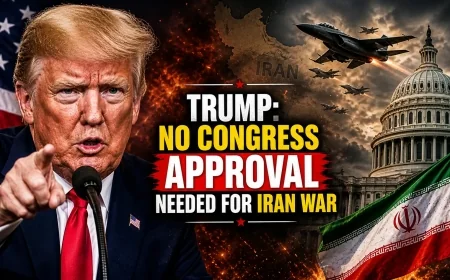
On Tuesday morning, Trump took to social media to tell nations to "go get your own oil," adding that "the U.S.A. will no longer be there to help you, just as you were not there for us."
Echoing the President's sentiment during a press conference on Tuesday, Hegseth stated that securing what he described as "a vital waterway" is not solely the responsibility of the United States.
Since the U.S. and Israel launched an attack on Iran on February 28, Iran has effectively shut down this strait—one of the world's busiest oil shipping lanes.
Over the past three weeks—as Iran consolidated its control over the strait—the Trump administration's stance has shifted constantly: at times seeking assistance from NATO and European allies, and at others declaring that no help was needed; at times accusing them of disloyalty, and at others claiming that requests for aid were merely a "test"; and now, with mounting anger, demanding that allies go and reopen the strait themselves—implying that this is not America's problem.

Coupled with this is an implicit threat that the U.S. could dissolve its alliances—a potentially monumental shift that could prove to be a defining moment in history. In a 'Truth Social' post on Tuesday, the President stated that countries "like the United Kingdom"—which are unable to obtain jet fuel due to restrictions imposed around this strait—should "muster the courage without further delay, go to that strait, and simply 'TAKE IT'."
He noted that he was addressing those nations "that had refused to join the campaign to completely obliterate Iran."
The President further added, "The hard part is already done."
He stated, "Now, countries must step forward and handle this matter. Iran has been completely devastated, but now those nations must come forward themselves and do their part"; he also added that "no real threat remains" in this strait.
The *Wall Street Journal* had previously reported that Trump told his aides he was prepared to end the ongoing military campaign against Iran—even if the strait remained largely closed.
Instead, reports suggest he is considering ending the current hostilities—having already inflicted heavy damage on Iran's navy and missile arsenal—and will now continue to pressure Iran through diplomatic channels to resume the flow of trade. During his press conference on Tuesday, Hegseth emphatically echoed the sentiments expressed in Trump's social media post. He argued that the U.S. has "created the conditions necessary for success" and that this strait "is not solely America's problem."
Software Services
 |
All-in-one casino solution ready to launch — talk to our experts now |
He stated, "There are many countries around the world that should be prepared to step up regarding this vital waterway. This is not the responsibility of the United States Navy alone." Approximately 20% of the world's oil and Liquefied Natural Gas (LNG) typically passes through this very strait, and due to this war, fuel prices worldwide are skyrocketing.
In their recent 15-point peace plan, US negotiators stated that, as a condition for ending the war, Iran—among other demands—must reopen this strait.
However, on Monday, a spokesperson for Iran's Foreign Minister once again denied that any negotiations had taken place with US officials. Ismail Baghai stated that Iran has "held no talks with the United States during these thirty-one days," referring here to the duration of the war.
Read Also
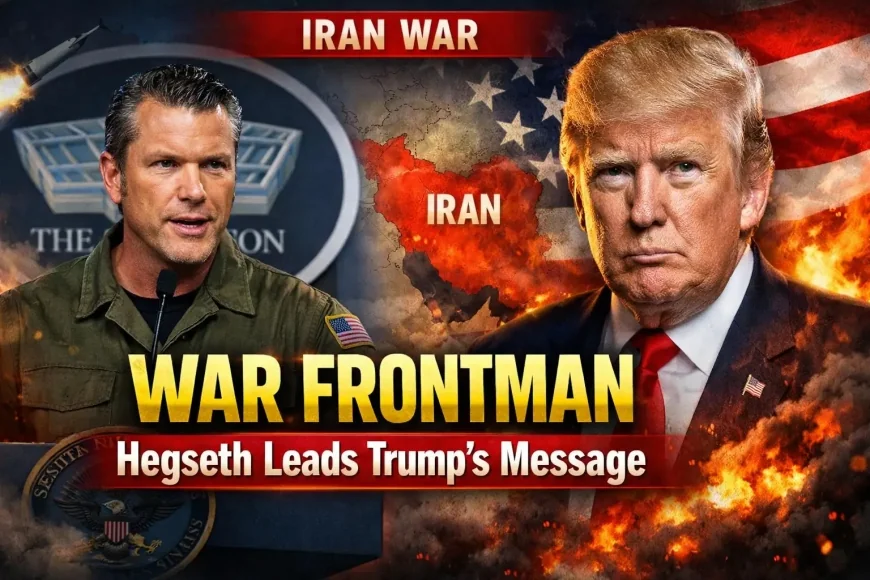
In his prepared remarks on Tuesday, Hegseth did not include the reopening of the strait among his war objectives; however, he later described it as a "goal."
Much like Trump, he specifically singled out the UK, stating that its "large and powerful Royal Navy" ought to get involved. The UK has maintained that it "will not be dragged" into this conflict.
Hegseth remarked: "A great deal has become clear. The world has been shown what our allies are willing to do for the United States of America... The President is signaling that if you have nations that are unwilling to stand by you when the need arises, then your alliance ceases to hold any significant meaning."
Hegseth also informed reporters that the timeline for the war could now extend to six to eight weeks—a departure from the previous four-to-six-week timeframe that the administration had initially projected.
Thank you for reading this content.
What's Your Reaction?
 Like
0
Like
0
 Dislike
0
Dislike
0
 Love
0
Love
0
 Funny
0
Funny
0
 Angry
0
Angry
0
 Sad
0
Sad
0
 Wow
0
Wow
0