



















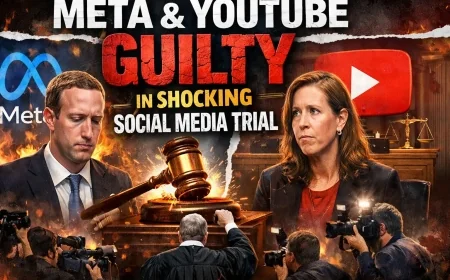












Tech Giants Accused of Hiding Teen Mental Health Risks
Meta, YouTube, TikTok and Snapchat know exactly how addictive their platforms can be to teens. And they continue to target teen users anyway.

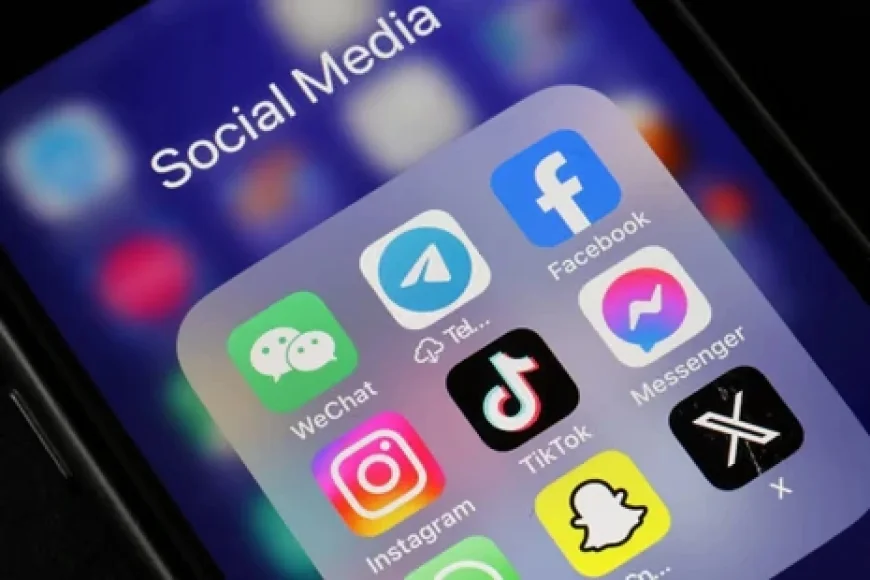
Those are allegations a group of school districts is making in a lawsuit against the social media giants, according to a newly unsealed legal filing that quotes the companies’ own internal documents.
“IG (Instagram) is a drug … we’re basically pushers,” Meta researchers said in an internal chat, according to the filing.
An internal TikTok report noted that “minors do not have executive mental function to control their screen time.”
Snapchat executives once acknowledged that users who “have the Snapchat addiction have no room for anything else. Snap dominates their life.”
And staffers within YouTube once said that “[d]riving more frequent daily usage [was] not well-aligned with … efforts to improve digital wellbeing,” the filing states.
The brief containing the internal comments, research and employee testimony has been presented as evidence in a massive lawsuit brought by hundreds of individuals, school districts and attorneys general from across the United States against the four companies — Instagram-parent Meta, Snap, TikTok and YouTube-parent Google — in the Northern District Court of California.
The platforms “deliberately embedded design features in their platforms to maximize youth engagement to drive advertising revenue,” the complaint claims. And the school districts allege that the social media companies have contributed to a youth mental health crisis that schools must address by investing in counseling and other resources.
The companies have sought to dismiss the case. Spokespeople for Meta, TikTok and Snap said the Friday filing paints a misleading picture of their platforms and safety efforts. CNN has also reached out to YouTube for comment. The plaintiff’s co-lead counsel Lexi Hazam said the companies bypassed parents and teachers to push their platforms into schools despite knowing they were addictive to kids in a statement to CNN.
The 235-page brief, made public on Friday and filed by the plaintiffs in the case, paints a picture of firms well aware that their apps could harm teens and children pursuing young users anyway to juice engagement and profit. It also cites internal documents suggesting the companies are aware that their wellbeing and parental control features have limited effectiveness.
CNN could not independently verify the accuracy of the comments and internal documents cited in the filing.
Parents, researchers, whistleblowers and lawmakers have previously raised concerns that tech giants prioritize profit over user safety, especially for young people. At a Senate hearing in January 2024, Meta CEO Mark Zuckerberg and Snap CEO Evan Spiegel apologized to parents who said their children had been harmed by social media.
The companies face growing legal pressure. In addition to the Northern California case, the four companies are defendants in a consolidated lawsuit in Southern California claiming that they harmed young people’s mental health, which is set to go to trial in January. The companies have similarly pushed back on those allegations by claiming protection under Section 230, a law that shields tech companies from liability for users’ posts.
Each of the four companies has rolled out a series of youth safety and parental control features in recent years, such as “take a break” reminders, content restrictions for young users and default privacy protections. However, Friday’s filing alleges that, at least in some cases, the companies are aware those tools have limited efficacy.
‘Is it going to look like tobacco companies?’
The brief references internal documents from the tech companies indicating that researchers raised concerns about addiction and other mental health risks to young users and accuses the companies of hiding or downplaying those findings.
It cites, for example, a 2019 study Meta planned to conduct in partnership with Nielsen in which it would ask some users to quit Facebook and Instagram for a month and log how they felt afterwards. But after “pilot tests” of the study showed that people who paused their Facebook use for only a week “reported lower feelings of depression, anxiety, loneliness, and social comparison,” Meta allegedly stopped the research project.
“One Meta employee warned, ‘if the results are bad and we don’t publish and they leak, is it going to look like tobacco companies doing research and knowing cigs were bad and then keeping that info to themselves?’” the brief states, citing an internal conversation.
The filing mischaracterizes the study and Meta’s decision to end it, Meta spokesperson Andy Stone said. Meta researchers tried to design the study to overcome participants’ “expectation effects” — where users’ preexisting beliefs about the platform would color their responses. But the pilot showed the study design wasn’t able to account for this, “which is why this study didn’t continue,” Stone said in a post on X.
In a statement, Stone said of the brief that “we strongly disagree with these allegations, which rely on cherry-picked quotes and misinformed opinions in an attempt to present a deliberately misleading picture. The full record will show that for over a decade, we have listened to parents, researched issues that matter most, and made real changes to protect teens – like introducing Teen Accounts with built-in protections and providing parents with controls to manage their teens’ experiences. We’re proud of the progress we’ve made and we stand by our record.”
What's Your Reaction?
 Like
0
Like
0
 Dislike
0
Dislike
0
 Love
0
Love
0
 Funny
0
Funny
0
 Angry
0
Angry
0
 Sad
0
Sad
0
 Wow
0
Wow
0