



























Trump Drops Greenland Bombshell, Denmark Caught Off Guard
Trump appoints a Greenland envoy, triggering a diplomatic crisis with Denmark as Arctic geopolitics heat up over sovereignty and national security.

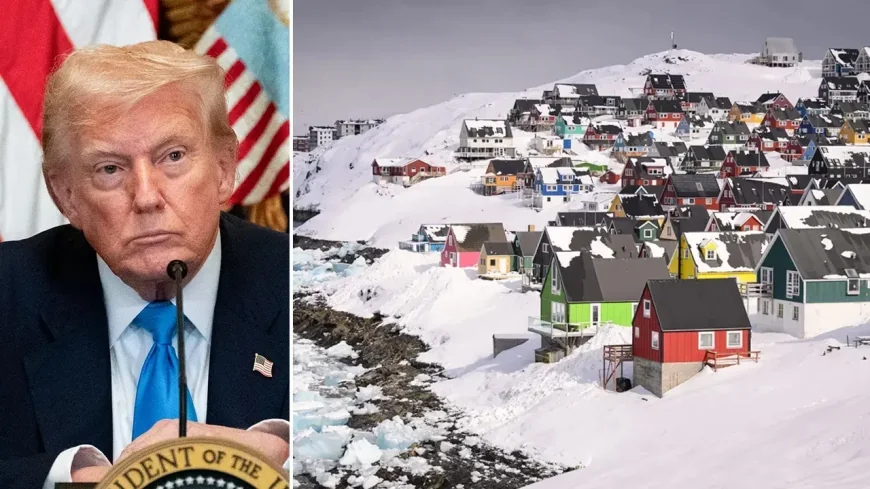
Donald Trump has sparked a new dispute with Denmark by appointing a special envoy for Greenland, the Arctic island he once said he wanted to acquire for the United States.
Trump announced on Sunday that Jeff Landry, the Republican governor of Louisiana, would serve as the US special envoy to Greenland, a semi-autonomous territory of the Kingdom of Denmark.
Writing on social media, the former US president said Landry understands "how important Greenland is to our national security" and will advance American interests.
Greenland's prime minister said the island "must determine its own future" and that its "territorial integrity must be respected."
The move angered Copenhagen, which summoned the US ambassador for "clarification."
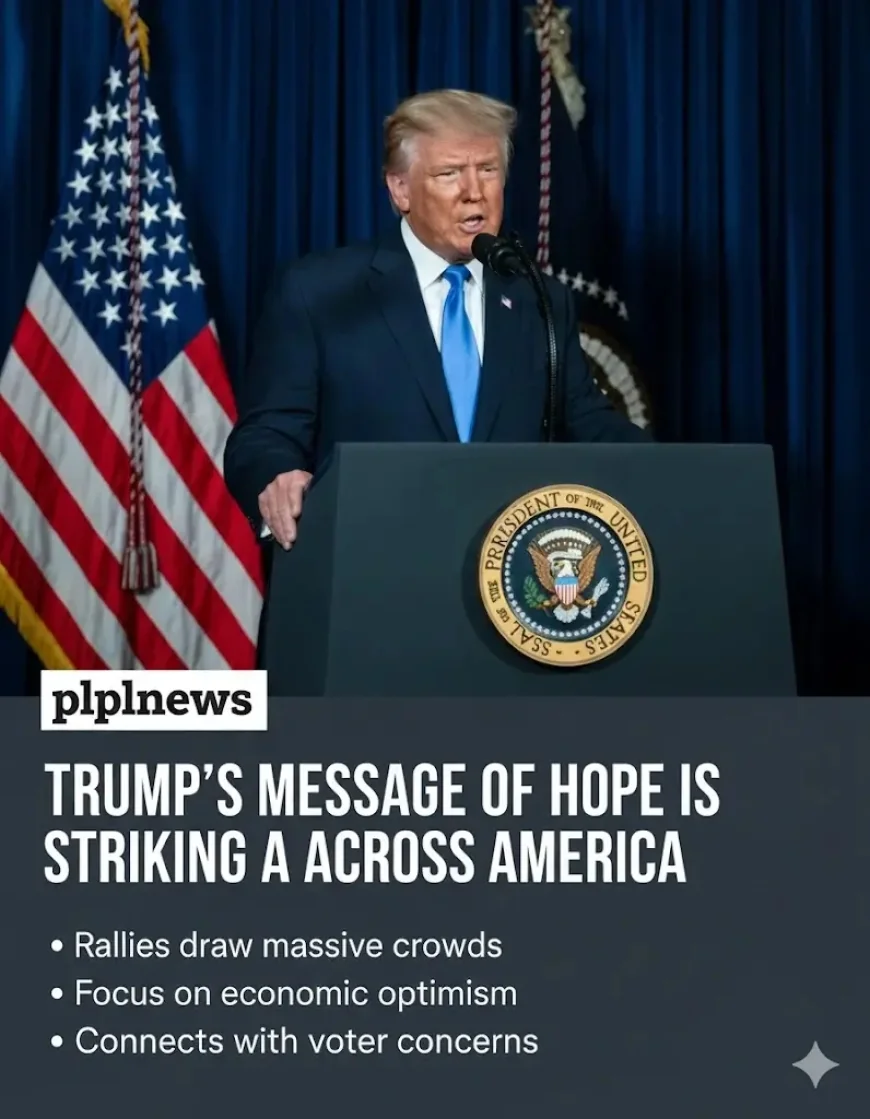
Governor Landry said in a post on X that it was an honor to "serve in a volunteer capacity to help bring Greenland into the United States," adding that the role would not interfere with his duties as governor of Louisiana.
Danish Foreign Minister Lars Løkke Rasmussen called the appointment "deeply disturbing" and warned Washington to respect Danish sovereignty.
He told Danish broadcaster TV2: "As long as we have a kingdom consisting of Denmark, the Faroe Islands, and Greenland, we cannot accept actions that undermine our territorial integrity."
Greenland's Prime Minister, Jens-Frederik Nielsen, said the territory is open to cooperating with the United States and other countries, but only on the basis of mutual respect.
Software Services
 |
Start your own gaming platform for just $3,000 |
He said: "The appointment of a special envoy changes nothing for us. We determine our own future. Greenland belongs to the Greenlandic people, and territorial integrity must be respected." Since returning to the White House in January, Trump has revived his long-standing interest in Greenland, citing its strategic location and mineral wealth.
He has not ruled out the possibility of using force to gain control of the island, a stance that has alarmed Denmark, a NATO ally with traditionally close ties to Washington.
Greenland, home to approximately 57,000 people, has enjoyed extensive self-governance since 1979, although defense and foreign policy remain in Danish hands. While most Greenlanders favor eventual independence from Denmark, opinion polls show overwhelming opposition to becoming part of the United States.
This controversy comes at a time of increasing strategic competition in the Arctic, as melting ice opens new shipping routes and provides access to valuable mineral resources. Greenland's location between North America and Europe also makes it crucial to US and NATO security planning, and it lies on the shortest route for missiles between Russia and the United States.
Thank you for reading this content.
Thank you for reading this content.
What's Your Reaction?
 Like
0
Like
0
 Dislike
0
Dislike
0
 Love
0
Love
0
 Funny
0
Funny
0
 Angry
0
Angry
0
 Sad
0
Sad
0
 Wow
0
Wow
0