























Europe Freezes US Tariffs Deal in Major Trade Blow
European Parliament suspends approval of the US tariffs deal, rattling markets as tensions rise and trade retaliation looms. Key EU-US trade update.

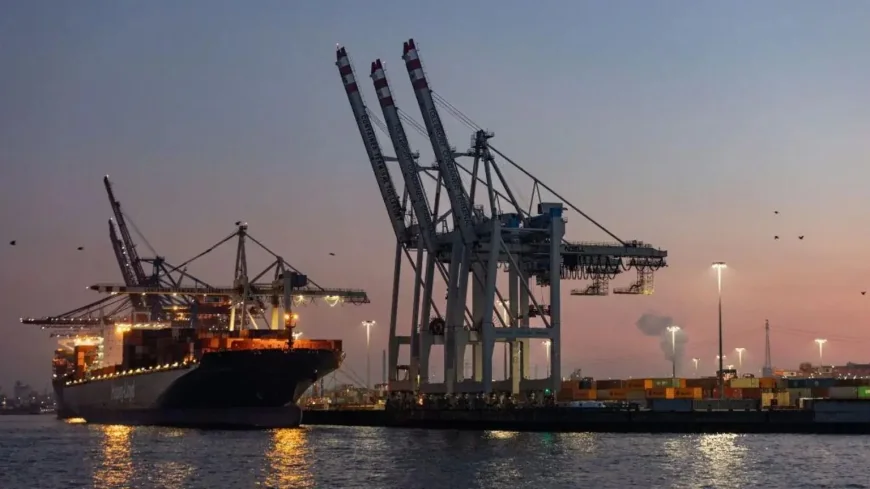
The European Parliament is planning to suspend approval of the US tariff deal reached in July, sources close to its International Trade Committee have revealed.
The suspension will be announced on Wednesday in Strasbourg, France.
The move would further escalate tensions between the US and Europe, as Donald Trump intensifies his efforts to annex Greenland and threatened new tariffs over the issue over the weekend.
The confrontation has shaken financial markets, rekindling talk of a trade war and the possibility of retaliation against US trade measures.
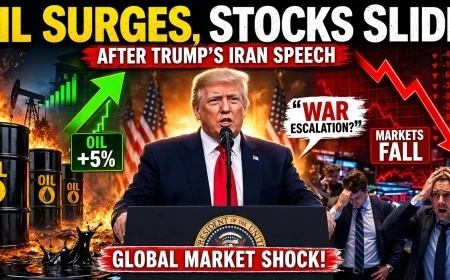
Stocks were down on both sides of the Atlantic on Tuesday, with European stock markets seeing losses for the second consecutive day. In the US, the Dow Jones fell more than 1.7%, while the S&P 500 fell more than 2% and the Nasdaq closed down nearly 2.4%.

In the currency market, the US dollar also fell sharply. The euro rose more than 0.8% against the dollar to $1.1749, before falling further, while the pound also jumped and closed the day up 0.1% at $1.343.
Global borrowing costs also rose, as the biggest selloff of long-term government debt in months pushed up yields on 30-year bonds in markets including the US, UK, and Germany.
Trade tensions between the US and Europe had eased since the two sides reached a deal at Trump's Turnberry golf course in Scotland in July.
Under that agreement, US levies on European goods were set at 15%, lower than the 30% initially threatened by Trump in April as part of his "Liberation Day" wave of tariffs. In return, Europe agreed to invest in the US and make changes to the continent that were expected to boost US exports.
Software Services
 |
Launch your own casino platform today — get started now |
The deal still needs approval from the European Parliament to become official.
But on Saturday, within hours of Trump's threat of US tariffs on Greenland, Manfred Weber, an influential German member of the European Parliament, said that "approval is not possible at this stage."
And Bernd Lange, who chairs the European Parliament's International Trade Committee, said there was "no choice" but to suspend the deal due to the threats regarding Greenland. "By threatening the territorial integrity and sovereignty of an EU member state and by using tariffs as a weapon of coercion, the US is undermining the stability and predictability of EU-US trade relations," said Lange, whose committee must sign off on the deal before it goes to Parliament for a final vote.
"Until the US decides to return to the path of cooperation rather than confrontation, and no further action is taken, there is no choice but to halt work on the two Turnberry legislative proposals."
This decision raises questions about whether the EU will proceed with its threats of retaliation against the US.
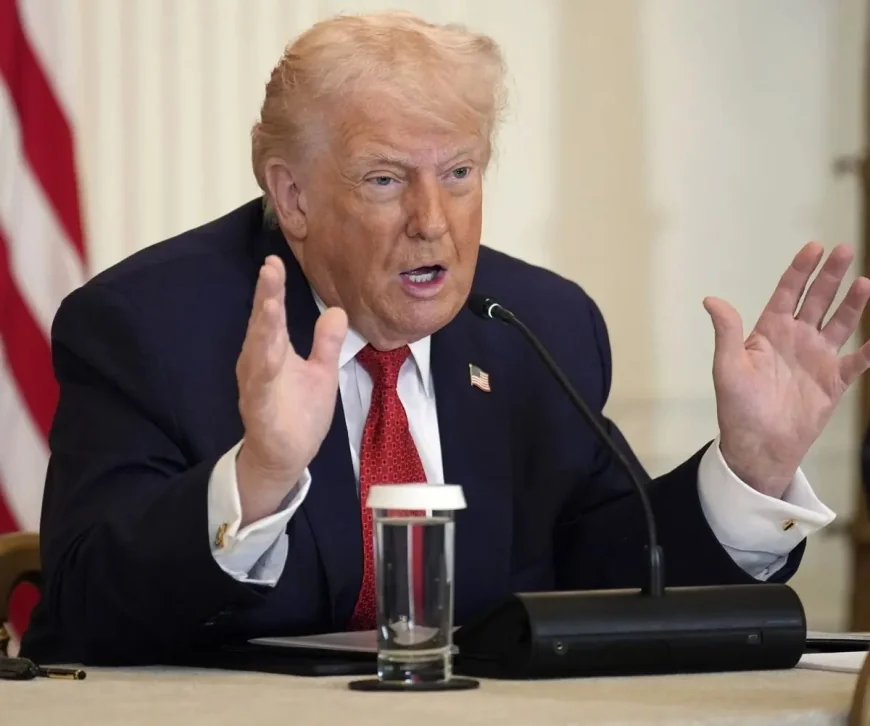
The bloc had announced the possibility of imposing levies on US goods worth €93 billion ($109 billion, £81 billion) in response to Trump's "Liberation Day" tariffs last year, but later put the plan on hold while the two sides finalized the details of a deal.
But this reprieve will expire on February 6, meaning EU levies will come into effect on February 7, unless the bloc moves to extend or approve a new deal.
French President Emmanuel Macron is among those urging the EU to consider its retaliatory options, including the anti-coercion instrument known as the "trade bazooka."
"Washington's 'endless hoarding' of new tariffs is fundamentally unacceptable, especially when they are used to pressure regional sovereignty," he said in a speech at the World Economic Forum in Davos.
Thank you for reading this content.
Thank you for reading this content.
What's Your Reaction?
 Like
0
Like
0
 Dislike
0
Dislike
0
 Love
0
Love
0
 Funny
0
Funny
0
 Angry
0
Angry
0
 Sad
0
Sad
0
 Wow
0
Wow
0