































Google Fights Back: Appeals Landmark Search Monopoly Verdict
Google challenges a US antitrust ruling over its search monopoly, arguing the remedies risk stifling innovation and threaten fair competition in tech.

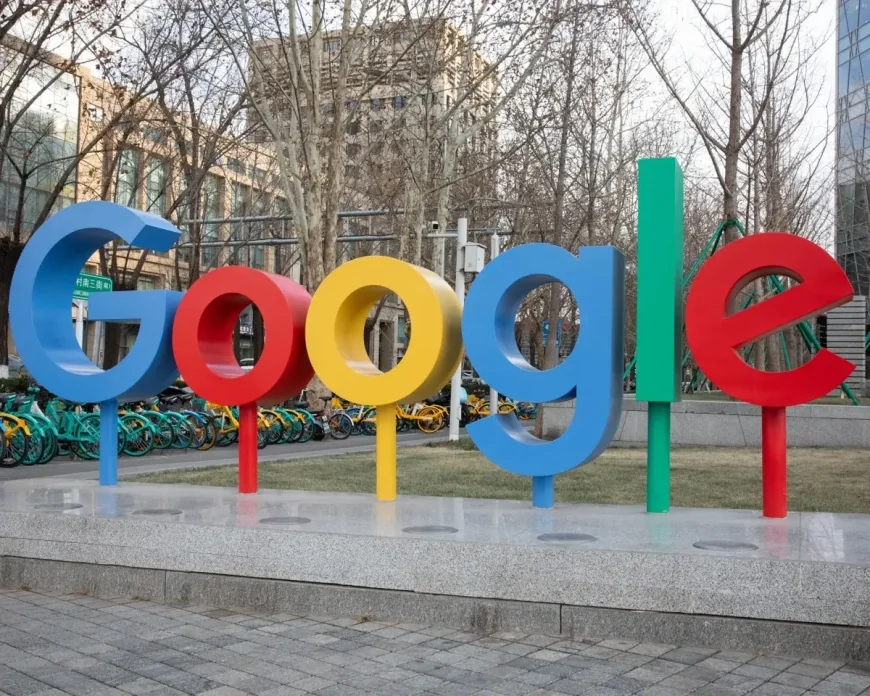
Google has appealed a landmark antitrust ruling by a U.S. district judge that found the company guilty of illegally maintaining a monopoly in online search.
“As we’ve long said, the court’s August 2024 ruling ignored the reality that people use Google because they want to, not because they are forced to,” said Lee-Ann Mulholland, Google’s vice president of regulatory affairs.
In its announcement Friday, Google said Judge Amit Mehta’s ruling failed to account for the pace of innovation and the intense competition the company faces.
The company is requesting a stay on the implementation of certain remedies—which some observers consider too lenient—aimed at curbing its monopolistic power.

Judge Mehta acknowledged the rapid changes in Google’s business when he issued his remedies in September, writing that the rise of generative artificial intelligence (AI) had altered the landscape of the case.
He declined to grant government lawyers’ request to break up Google, which would have included spinning off Chrome, the world’s most popular browser.
Instead, he imposed less stringent measures, including a requirement that Google share certain data with “eligible competitors” as determined by the court.
This data was to include portions of its search index, Google’s vast inventory of web content that acts as a map of the internet.
Software Services
 |
Start your own gaming platform for just $3,000 |
The judge also ordered Google to allow certain competitors to display the tech giant’s search results on their own platforms to give newer companies the time and resources needed to innovate.
On Friday, Mulholland objected to being forced to share search data and syndication services with rivals, justifying the request for a stay on the orders’ implementation. Mulholland wrote, "These orders will jeopardize Americans' privacy and discourage competitors from building their own products—ultimately stifling the innovation that keeps America at the forefront of global technology."
Although the company has invested heavily in AI, these ambitions are now being questioned.

Last month, the EU launched an investigation into Google's AI summaries, which appear at the top of search results.
The European Commission said it would investigate whether Google used data from websites to provide the service and failed to adequately compensate publishers.
Google said the investigation risks stifling innovation in a competitive market.
This week, Google's parent company, Alphabet, became the fourth company to reach a $4 trillion market capitalization.
Thank you for reading this content.
Thank you for reading this content.
What's Your Reaction?
 Like
0
Like
0
 Dislike
0
Dislike
0
 Love
0
Love
0
 Funny
0
Funny
0
 Angry
0
Angry
0
 Sad
0
Sad
0
 Wow
0
Wow
0