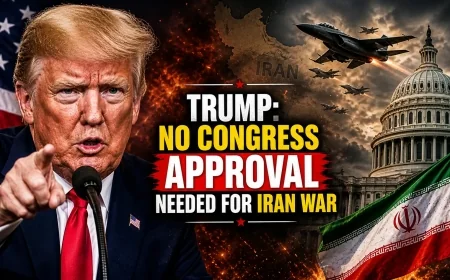
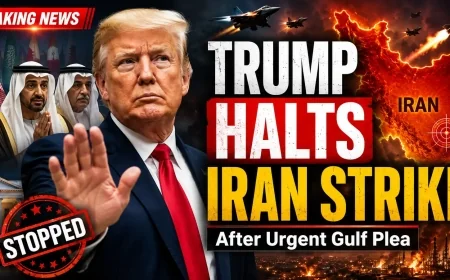
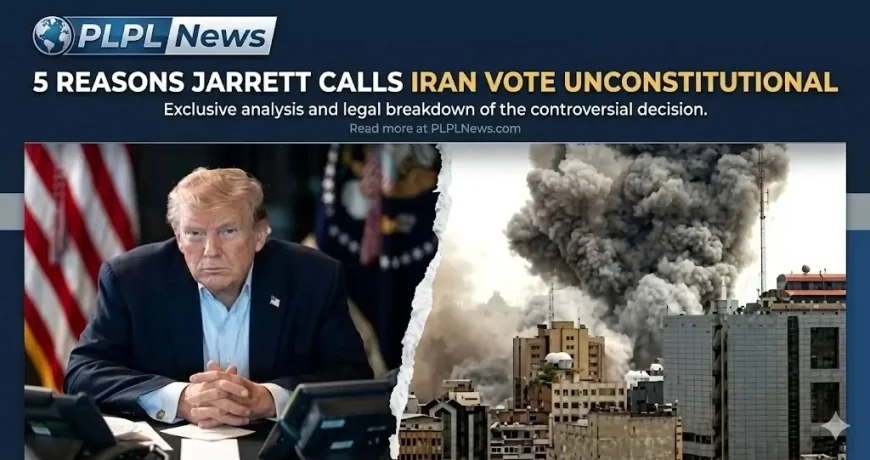
WASHINGTON — Legal analyst Gregg Jarrett is criticizing a congressional vote aimed at restricting potential U.S. military action against Iran, arguing the move raises serious constitutional concerns regarding war powers authority.
Jarrett’s comments come amid ongoing political debate in Washington about the balance of power between the legislative and executive branches when it comes to military operations.
The War Powers Debate
At the center of the dispute is the War Powers Resolution, a federal law passed in 1973 intended to limit the president’s ability to commit U.S. forces to armed conflict without congressional approval.
Some lawmakers have used the resolution in an attempt to restrict potential military action targeting Iran.
Jarrett argues that the recent vote represents an unconstitutional attempt to interfere with the president’s authority as commander in chief.
Separation of Powers Concerns
The U.S. Constitution divides authority over military matters between Congress and the president.
Congress has the power to declare war and control funding for military operations, while the president serves as commander in chief of the armed forces.
Jarrett contends that certain congressional actions attempting to halt potential military strikes may overstep constitutional boundaries.
Supporters of the vote, however, argue that congressional oversight is essential to prevent unauthorized military escalation.
Growing Tensions Over Iran Policy
Debate surrounding U.S. policy toward Iran has intensified in recent years due to regional conflicts, nuclear negotiations, and security concerns in the Middle East.
Both political parties have disagreed on how aggressively the United States should respond to potential threats from Tehran.
The disagreement has often surfaced in disputes over military authority and congressional oversight.
Political Reactions
The issue has sparked strong reactions from lawmakers, legal scholars, and foreign policy experts.
Some experts say congressional action is necessary to ensure democratic accountability in decisions involving military force.
Others argue that the president must retain flexibility to respond quickly to international threats.
What Comes Next
The debate over war powers authority is likely to continue as tensions involving Iran remain a central topic in U.S. foreign policy discussions.
Legal experts say the issue ultimately reflects a broader constitutional question about how much power Congress should have to influence or restrict military decisions made by the executive branch.
As policymakers weigh those questions, the balance between national security and constitutional authority will remain at the center of the discussion in Washington.
Thank you for reading this content.
If you find it helpful, then checkout : https://plplnews.com/kia-pv5-electric-van-modular-id-buzz-rival
Also check out the latest Bmw : https://plplnews.com/bmw-i4-review-electric-sedan-driving-experience





























 Like
0
Like
0
 Dislike
0
Dislike
0
 Love
0
Love
0
 Funny
0
Funny
0
 Angry
0
Angry
0
 Sad
0
Sad
0
 Wow
0
Wow
0