




























Why One Chart Is Warning Britain About Its Economy
A single consumer confidence chart reveals deep age divides shaping the UK economy, voter sentiment, and post-election economic vibes across Britain.

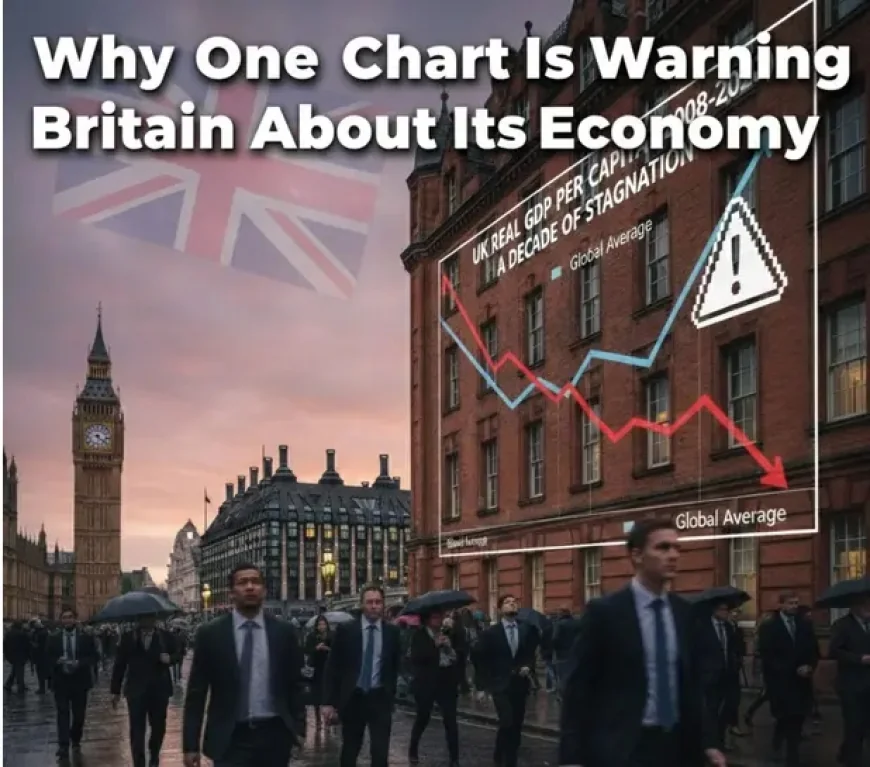
The latest monthly economic figures hardly confirm any major shift, but they also don't support the worst predictions of decline and recession. It's neither doom nor boom, but the new year offers a chance to reset policy, a sense of certainty, and perhaps most importantly, the economic mood.
There's one chart that can tell us quite a lot about the state and future of the UK economy. And it can also tell us quite a lot about the UK's political direction.
It's consumer confidence. These are long-running surveys that essentially put the country on the economic psychiatrist's couch. How do you feel about the future of the economy? Are you planning any major purchases? How are your personal finances?
There's a solid data source of questions consistently asked over the past five decades – it's now called the GfK Consumer Confidence Barometer.
I've been reporting on this metric for half of that time. It's not a perfect science, but the basic idea to arrive at the net confidence number is to subtract the pessimism score from the optimism score.
Back then, the patterns were interesting and consistent. And it was important as a predictor for those in power to stay in power. "It's the economy, stupid," remember?
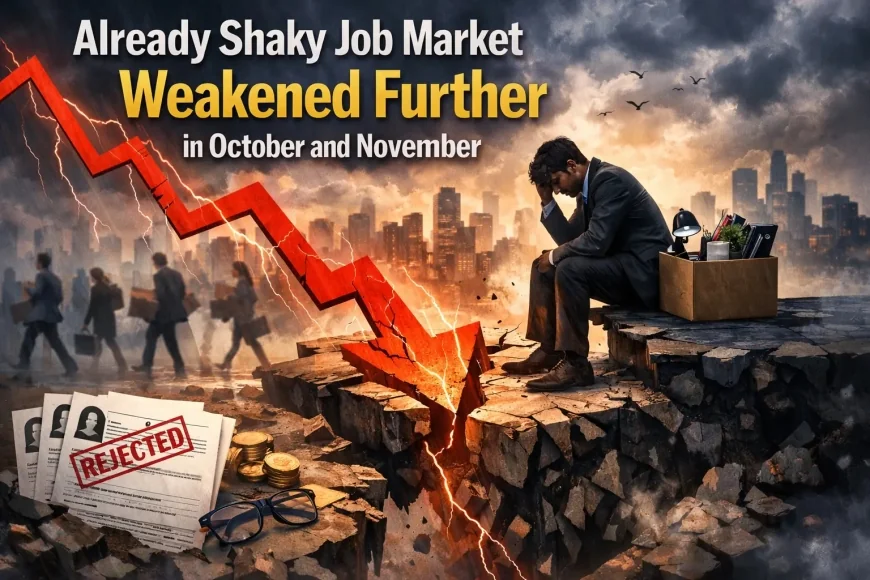
But has something significant changed in the water? This chart is quite extraordinary and a version of it has been circulating at the highest levels of government.
A small detail needs explaining.
This chart breaks down the headline net confidence number by age.
Broadly speaking, they used to move together, they were "correlated."
Younger people typically have a better starting point, but it declines with age – no big surprise there – and all age groups react similarly to events. Over the past decade, you can see a correlated decline in consumer confidence across all age groups, reacting to the post-Brexit vote period and the impact of the pandemic.
The effects of the Russia-Ukraine war and the extraordinary rise in energy prices are clearly visible.
Interestingly, look at how devastating Liz Truss's mini-budget in 2022 was for all age groups. A 45-day government and a collapse in confidence in the economic future.
Software Services
 |
Create, launch, and scale your gaming platform — get instant access |
And all these lines track together until 2024. But what happens at the end of 2024? A big shift. A very big one.
Consumer confidence for those under 50 surges, and for those under 30, it rises to levels not seen since before Brexit.
But look at the bottom two red lines. Consumer confidence for those over 50 and over 60 plummets back to Truss-era levels.
How can it be that those over 50, and especially pensioners, are experiencing another collapse in economic confidence, and yet the younger population is so much more positive?
Well, the dotted line is the 2024 general election. And while correlation doesn't equal causation, this is precisely when this age-related break occurs.
Votes that influence vibes
A possible explanation from political economy is this – the causal flow from economic sentiment to political sentiment has been reversed.
Where how you felt about your finances used to determine how you voted, now how you vote influences how you feel about your finances and the country's economic future.
Young people on the liberal left, having endured a long series of crises throughout this decade, are now happier, and the government they largely voted for in 2024 is now in power. Older people, who primarily voted for the Conservatives and Reform parties, are unhappy and disillusioned. They feel the country is in a worse state than ever before.
One possible reason is the atmosphere created by social media and the emotional doom-scrolling and anger-inducing content present in its algorithms. Is this demographic seeing a Mad Max-style dystopia reflected in their social media feeds and reacting with this negative mindset?
There is also some evidence in the US that respondents to a consumer sentiment survey showed a political bias in their feelings of economic confidence. During the transition between the Donald Trump and Joe Biden administrations in late 2020, economic confidence among Democratic respondents rose from 67 to 96, while among Republicans it fell from 100 to 59.
The Biden administration subsequently lamented what staffers termed a "vibecession"—a feeling of economic recession that wasn't actually reflected in the positive economic data.
Interest rates are a double-edged sword.
Other economic factors are also at play.
This surge in confidence among young people came as the Bank of England began cutting interest rates. Rate cuts are good for young homebuyers and job seekers, but bad for older savers.
This may help explain the strangely high and almost double-digit UK savings rate. It seems like a pandemic hangover. Older Britain is sitting on its savings, disillusioned with the country and the economy, refusing to spend its money and dragging down GDP, even though employees' salaries are rising faster than inflation on average.

The findings from this chart are also reflected in the early financial results we are seeing from businesses.
Many retail results have defied pessimism. Some bosses who complained most about the National Insurance increase are reporting strong sales and profits, even after paying the tax.
Pub chain Mitchells & Butlers had a "very strong festive season, with like-for-like growth of 7.7%". Fuller's "five-week Christmas and New Year trading period was excellent across all divisions," up 8% on last year's already strong festive period.
Clearly, challenges remain regarding the level of price increases. But inflation is heading down towards the 2% target, helped by deliberate government efforts to limit regulated price increases for rail and water.
Further rate cuts will come gradually, and the effects of previous cuts will also feed through to the household sector.
A mortgage price war could be about to kick off, helping to get the housing market back on track after months of budget uncertainty. The government will be hoping to put the turbulent year of 2025 behind them, and they are hoping for an investment boom, exemplified by recent announcements regarding Heathrow and the new Northern rail line.
So, there is a platform to prove the naysayers wrong. But could people's now politically influenced perceptions of economic confidence put the brakes on all of this?
Thank you for reading this content.
What's Your Reaction?
 Like
0
Like
0
 Dislike
0
Dislike
0
 Love
0
Love
0
 Funny
0
Funny
0
 Angry
0
Angry
0
 Sad
0
Sad
0
 Wow
0
Wow
0