


























7 Iconic Mercedes Designs That Defined Gordan Wagener
From the CLS to the EQS, explore Gordan Wagener Mercedes design highlights that reshaped luxury cars and redefined modern automotive styling.


How Gorden Wagener Redefined Mercedes-Benz Design for a Generation
For nearly three decades, Gorden Wagener has shaped how the world sees Mercedes-Benz. After joining the company in 1997, Wagener steadily rose through the ranks to become Chief Design Officer, overseeing one of the most transformative periods in the brand’s history. Under his leadership, Mercedes evolved from conservative, engineering-led styling into a bold expression of modern luxury driven by emotion, form, and innovation.
 |
Turn your casino idea into a live platform — start your journey today. |
Wagener’s influence reaches far beyond individual models. His work redefined Mercedes-Benz’s visual identity and reshaped expectations across the global automotive industry.
The CLS: A Category-Defining Moment
The first-generation Mercedes-Benz CLS marked Wagener’s breakthrough. Launched in the mid-2000s, it shattered traditional design conventions by blending the elegance of a coupe with the practicality of a sedan. Its sweeping roofline, frameless doors, and athletic stance challenged the rigid three-box sedan formula that dominated luxury cars at the time.
The CLS didn’t just succeed—it created the four-door coupe segment, inspiring countless competitors to follow. It proved Mercedes could be daring, emotional, and stylish while preserving its premium reputation.
S-Class W222: Modernizing a Legend
Redesigning the S-Class is one of the most demanding roles in automotive design. Under Wagener’s guidance, the flagship sedan transitioned from formal and upright to sleek, flowing, and contemporary.
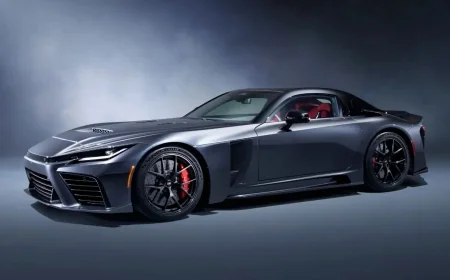
The W222 generation embodied his “Sensual Purity” design philosophy, featuring smooth surfaces, restrained chrome detailing, and balanced proportions. Inside, the S-Class set new benchmarks with digital displays, ambient lighting, and minimalist luxury. Its interior design became a template for modern premium cabins across the industry.
AMG GT: Emotional Performance
The Mercedes-AMG GT represented a bold departure from derivative performance models. Designed as a true sports car, it featured long proportions, a wide stance, and dramatic road presence.
With its muscular hood, compact cabin, and aggressive rear haunches, the AMG GT combined classic grand-tourer proportions with modern performance design. It established Mercedes as a serious contender in the halo sports-car segment.
A-Class: Redefining Entry-Level Luxury
Wagener also transformed Mercedes at the entry level. The second-generation A-Class abandoned earlier upright designs in favor of sharp lines, sporty proportions, and youthful energy.
Its interior proved even more influential. The widescreen digital cockpit and minimalist layout introduced advanced technology and premium design to compact luxury cars, helping Mercedes attract a younger, global audience.
G-Class: Preserving an Icon
Modernizing the G-Class without losing its identity was another defining challenge. Wagener kept the exterior unmistakably boxy and rugged while refining proportions and detailing.
Inside, however, the transformation was dramatic. The once-utilitarian cabin became a luxurious, high-tech environment aligned with the rest of the Mercedes lineup. This balance of heritage and innovation turned the G-Class into a global luxury icon beyond its off-road origins.
EQS: Designing the Electric Future
The EQS stands as one of Wagener’s most debated yet significant designs. Built as a dedicated electric flagship, its smooth, aerodynamic shape prioritized efficiency and range over traditional proportions.
Its interior pushed boundaries with the expansive Hyperscreen dashboard, redefining digital luxury. Whether praised or criticized, the EQS demonstrated Wagener’s willingness to rethink luxury design for the electric era rather than adapt old formulas.
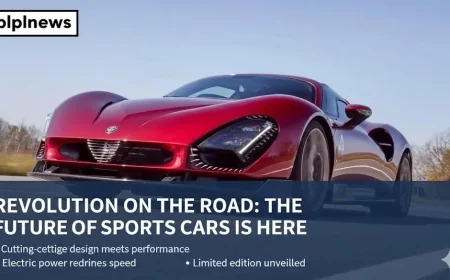
Vision Beyond Production
Beyond showroom models, Wagener spearheaded numerous concept cars that showcased Mercedes-Benz’s future direction. These included the Vision Mercedes-Maybach 6, F125, Vision One-Eleven, Vision EQ Silver Arrow, Vision EQXX, Vision AVTR, Vision EQG, Concept CLA, and Vision Iconic.
These concepts explored new materials, proportions, and propulsion technologies—from electric and hydrogen powertrains to futuristic interiors—serving as experimental platforms for future production vehicles.
A Lasting Legacy
Across all his work, a common theme emerges: the courage to evolve. From redefining body styles with the CLS, to modernizing legends like the S-Class and G-Class, to pushing new territory with electric vehicles, Gorden Wagener reshaped Mercedes-Benz for the 21st century.
His influence extends far beyond individual models. Wagener changed how luxury cars look, feel, and communicate emotion. As Mercedes-Benz enters its next design chapter, the visual language he established will continue to define the brand for years to come.
Thank you for reading this content.
If you find it helpful, then checkout : https://plplnews.com/kia-ev5-electric-suv-review-range-price-2025
Also check out the latest Lexus : https://plplnews.com/7-reasons-the-new-lexus-rx-350h-exquisite-is-a-game-changer
What's Your Reaction?
 Like
0
Like
0
 Dislike
0
Dislike
0
 Love
0
Love
0
 Funny
0
Funny
0
 Angry
0
Angry
0
 Sad
0
Sad
0
 Wow
0
Wow
0